Gastrointestinal Cancer
Latest News

April 23rd 2024
ME-344 and bevacizumab can now have an additional 20 patients enrolled on the phase 1b trial for relapsed metastatic colorectal cancer.

.jpg%3Ffit%3Dcrop%26auto%3Dformat&w=3840&q=30)












Equalizing Inequities™ in Multiple Myeloma Care: Shining a Light on Current Barriers and Opportunities for Improved Outcomes
View More
Medical Crossfire®: Critical Questions on Diagnosis, Sequencing, and Selection of Systemic and Radioligand Therapy Options for Patients with GEP-NETs
View More
Community Practice Connections™: 8th Annual School of Gastrointestinal Oncology®
View More
2024 Miami International Symposium of Gastrointestinal Oncology (ISGIO)
October 11-12, 2024
Register Now!

Community Oncology Connections™: Overcoming Barriers to Testing, Trial Access, and Equitable Care in Cancer
View More
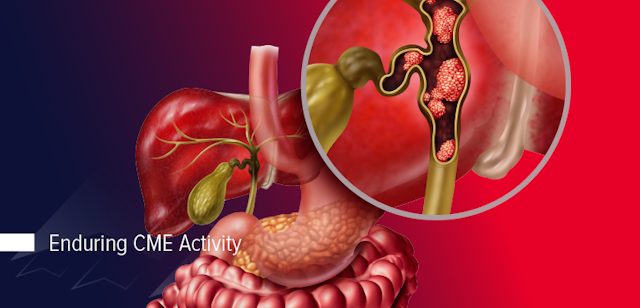
The Next Wave in Biliary Tract Cancers: Leveraging Immunogenicity to Optimize Patient Outcomes in an Evolving Treatment Landscape
View More
Community Practice Connections™: 5th Annual Precision Medicine Symposium – An Illustrated Tumor Board
View More
More News
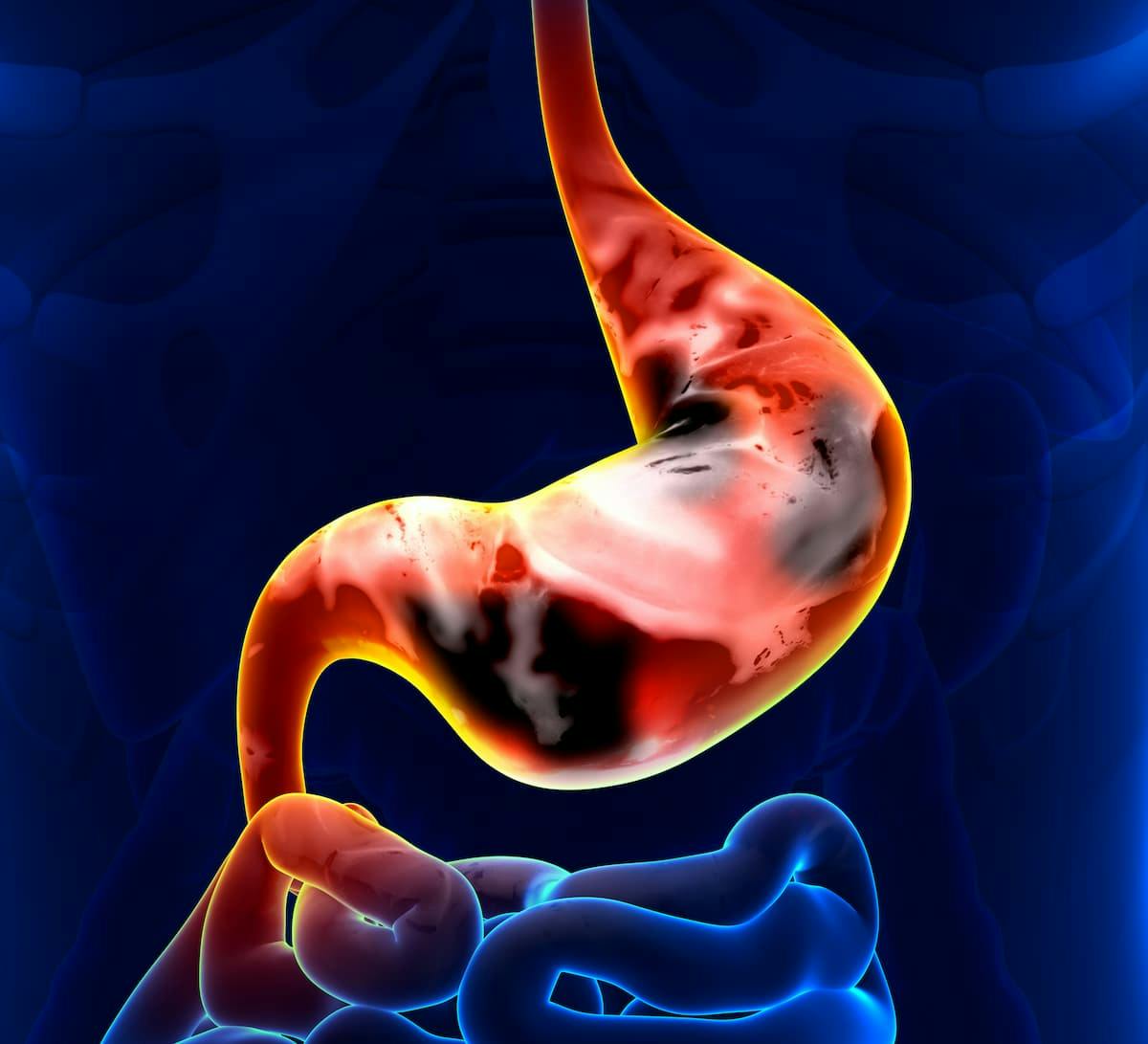
Sintilimab Combo Shows Modest Efficacy, Safety in HER2– Gastric/GEJ Cancer
February 18th 2024Over half of the patients with HER2-negative gastric or gastroesophageal junction adenocarcinoma achieve a major pathological complete response following treatment with sintilimab plus FLOT in a phase 2 trial.
ctDNA May Predict Chemo Efficacy in Stage II/III Colorectal Cancer
January 21st 2024Disease-free survival benefits with chemotherapy appears to be more prominent in patients with colorectal cancer who are minimal residual disease–positive compared with those minimal residual disease–negative disease.
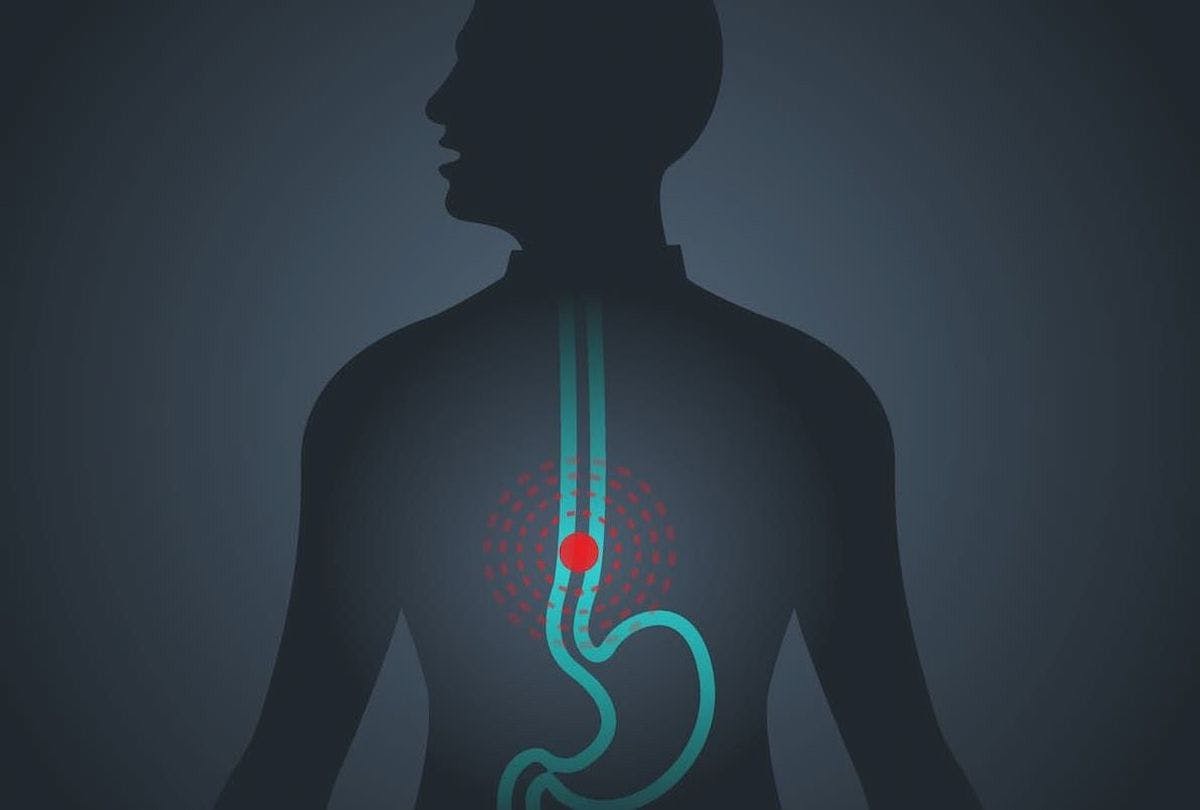
Tiragolumab Combo Improves PFS/OS Vs Chemo in Esophageal Cancer
January 20th 2024Data from the phase 3 SKYSCRAPER-08 trial may support tiragolumab plus atezolizumab and chemotherapy as an alternative frontline treatment option for those with locally advanced or metastatic esophageal squamous cell carcinoma.

