
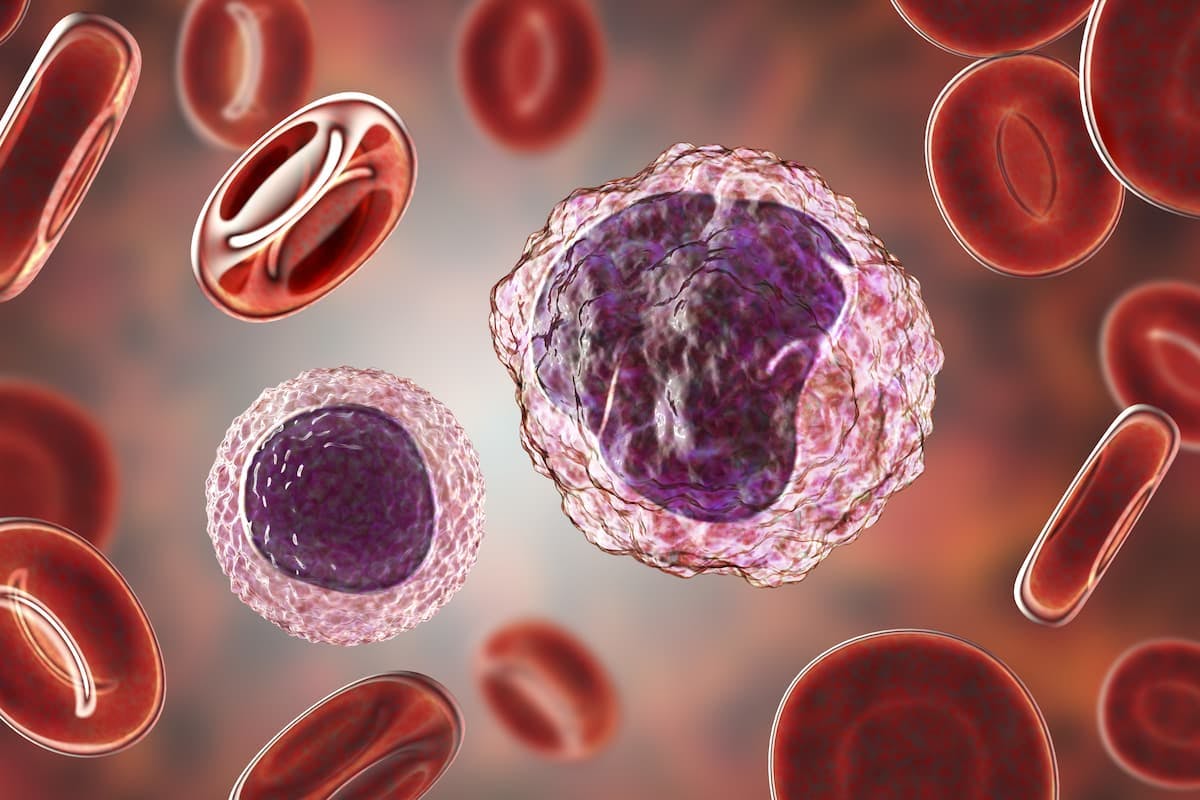








Acute myeloid leukemia (AML) is a disease of the elderly, with the majority of patients diagnosed in their 6th and 7th decade of life. Older patients with AML are less likely to achieve complete remission after induction chemotherapy, and they suffer from higher rates of leukemia relapse compared to younger cohorts. Suboptimal outcomes are the result of adverse biologic characteristics of leukemia in the elderly, as well as the presence of medical comorbidities and patient or physician preferences as to initiating treatment. In addition, there is a distinct lack of randomized, prospective data to guide management decisions for the treatment of AML in the elderly. Patients who are over age 75, with poor performance status, multiple comorbidities, or poor prognostic features, should be considered for a clinical trial or palliative therapy. Elderly patients who are candidates for standard induction chemotherapy and achieve complete remission are unlikely to benefit from intensive postremission therapy and should be referred to a clinical trial when possible. Further prospective trials are needed to identify a tolerable, effective treatment regimen for older patients with AML.
As half of all breast cancers occur in patients beyond the age of 65 and a quarter beyond the age of 75, a significant number of patients with metastatic breast cancer are elderly. New hormonal therapies, such as aromatase inhibitors, appear to have favorably improved the survival of these patients. Side effects such as osteoporosis or cognitive issues appear manageable. Information specific to elderly patients has recently emerged in the field of chemotherapy for metastatic breast cancer. This article reviews data on anthracyclines, taxanes, capecitabine (Xeloda), gemcitabine (Gemzar), trastuzumab (Herceptin), and bevacizumab (Avastin). For most patients in this setting, sequential single-agent chemotherapy appears at this time to be the preferred course of treatment.
SABRINA M. WITHERBY, MD
Clinical Instructor
Department of Medicine
HYMAN B. MUSS, MD
Professor of Medicine
University of Vermont
College of Medicine
Vermont Cancer Center
Burlington, Vermont
, August 1, 2006
As the aging population in the United States continues to grow, the incidence of diseases of the elderly, such as breast cancer, are increasing. Many more elderly women are expected to be diagnosed with new breast cancers, most of them in an early stage. Appropriate treatment of these women is important, as they have poorer outcomes when undertreated. In this review, we will discuss the biology and treatment of early breast cancer in elderly women. We will focus on the role of comorbidity and its effect on life expectancy, treatment decisions, current recommendations for primary treatment with surgery, radiation and neoadjuvant strategies, and adjuvant treatment including local radiation therapy and systemic treatment with endocrine therapy, chemotherapy, and newer agents. Finally we will discuss the importance of clinical trials in the elderly.
The combination of lenalidomide (Revlimid) with melphalan and prednisone (R-MP) is highly active and well tolerated in older adults with newly diagnosed multiple myeloma.
STUART M. LICHTMAN, MD, FACP
Associate Attending
Memorial Sloan-Kettering Cancer Center
Commack, New York
, June 1, 2006
An increasing body of evidence suggests that geriatric patients can benefit from and tolerate standard chemotherapy similarly to younger patients in the settings of both early- and advanced-stage colorectal cancer. Assessment of this unique population requires more comprehensive evaluation in addition to routine history, physical examination, and laboratory tests. Specific considerations of their physiologic functional changes will help physicians better manage these patients. Ongoing studies are now designed to better understand the decision-making process, safety profile, and efficacy of various treatment regimens in geriatric patients.
PAOLO MAIONE, MD
ANTONIO ROSSI, MD
Division of Medical Oncology
"S.G. Moscati" Hospital
Avellino, Italy
, April 1, 2006
Elderly patients with stage I-III non-small-cell lung cancer (NSCLC) constitute a peculiar patient population and need specific therapeutic approaches. Limited resections are an attractive alternative for elderly patients with resectable NSCLC because of the potential reduction in postoperative complications. Curative radiation therapy is an acceptable alternative for elderly patients who are unfit for or refuse surgery. Hypofractionated stereotactic body radiation therapy is of particular interest for this population because of its favorable tolerance.
LODOVICO BALDUCCI, MD
Professor of Oncology and Medicine
Director of the Division of Geriatric Oncology
Department of Interdisciplinary Oncology
University of South Florida College of Medicine and
H. Lee Moffitt Cancer Center
Tampa, Florida
, February 1, 2006
With the aging of the Western population, cancer in the older person is becoming increasingly common. After considering the relatively brief history of geriatric oncology, this article explores the causes and clinical implications of the association between cancer and aging. Age is a risk factor for cancer due to the duration of carcinogenesis, the vulnerability of aging tissues to environmental carcinogens, and other bodily changes that favor the development and the growth of cancer. Age may also influence cancer biology: Some tumors become more aggressive (ovarian cancer) and others, more indolent (breast cancer) with aging. Aging implies a reduced life expectancy and limited tolerance to stress. A comprehensive geriatric assessment (CGA) indicates which patients are more likely to benefit from cytotoxic treatment. Some physiologic changes (including reduced glomerular filtration rate, increased susceptibility to myelotoxicity, mucositis, and cardiac and neurotoxicity) are common in persons aged 65 years and older. The administration of chemotherapy to older cancer patients involves adjustment of the dose to renal function, prophylactic use of myelopoietic growth factors, maintenance of hemoglobin levels around 12 g/dL, and proper drug selection. Age is not a contraindication to cancer treatment: With appropriate caution, older individuals may benefit from cytotoxic chemotherapy to the same extent as the youngest patients.
WASHINGTON—Older cancer patients who received the colony-stimulating factor (CSF) pegfilgrastim (Neulasta) during each cycle of chemotherapy, including the first, had significantly less febrile neutropenia than patients who received it only after the first cycle, according to the results of a large, community-based clinical trial. Those receiving the drug in the first cycle also had fewer hospitalizations and other neutropenia-related complications, said Lodovico Balducci, MD, head of the senior adult oncology program at H. Lee Moffitt Cancer Center and Research Institute, Tampa, Florida. Dr. Balducci reported the findings at the Geriatric Oncology Consortium annual meeting (abstract 3).
The number of older adults in the general population continues to
grow. As their numbers rise, the elderly and the management of their
medical problems must be of increasing concern for health-care professionals.
Within this older population, cancer is a leading cause of
morbidity and mortality. Although many studies have looked at the psychiatric
implications of cancer in the general population, few studies
tackle the issues that may face the older adult with cancer. This article
focuses on the detection and treatment of depression, anxiety, fatigue,
pain, delirium, and dementia in the elderly cancer patient.
Melanoma in the Older Person Susan M. Swetter, MD1, Alan C. Geller, MPH, RN2, John M. Kirkwood, MD3, August 1, 2004
Melanoma incidence and mortality continue to rise unabated in older individuals. Early clinical detection should take into account the different subtypes.
Palliative radiotherapy is an effective means of alleviating pain and improving overall quality of life in elderly patients with bone metastases,... More »
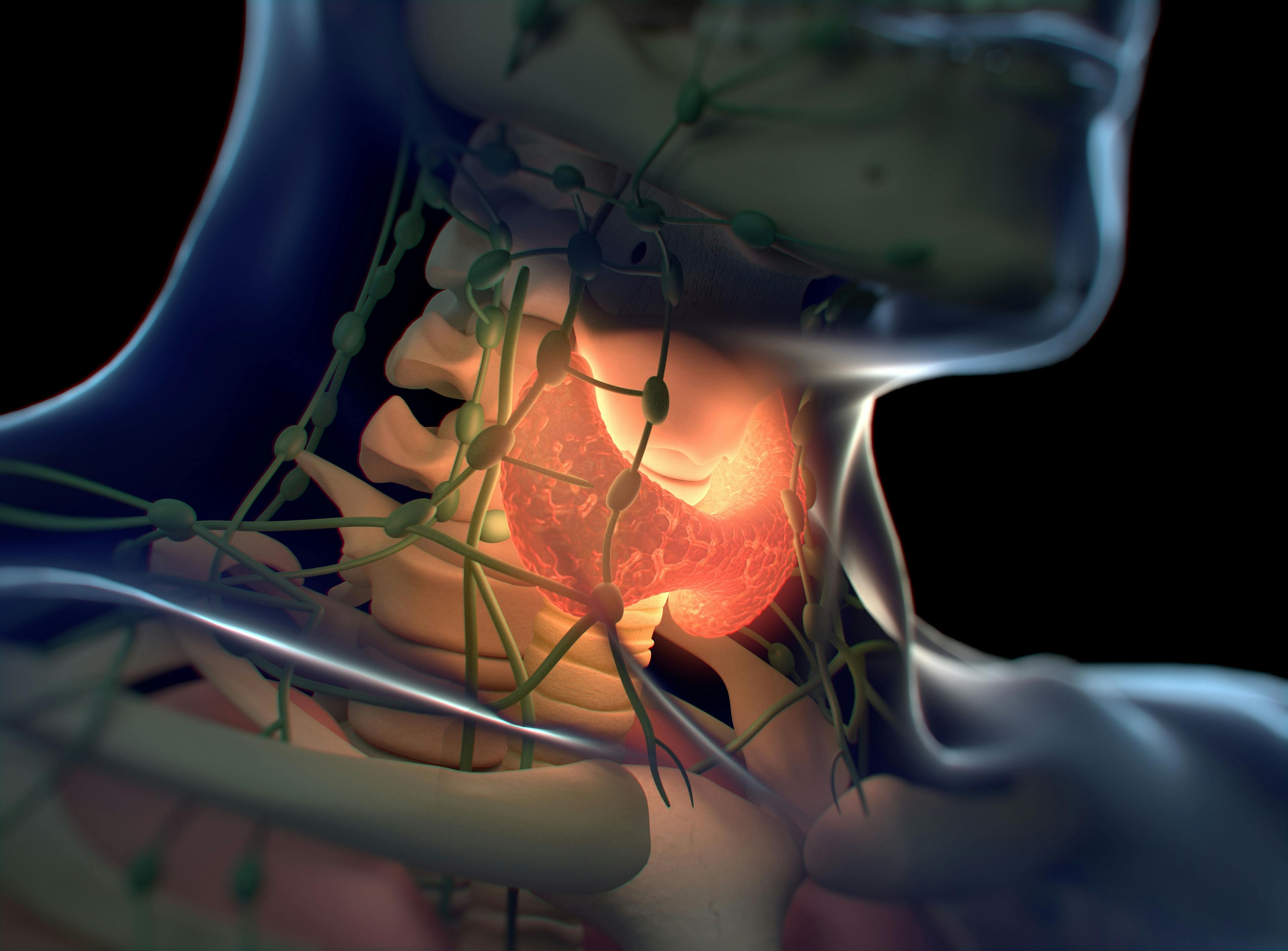
This management guide of endocrine malignancies covers the risk factors, diagnosis, screening, and treatment of both thyroid and parathyroid cancers. More »
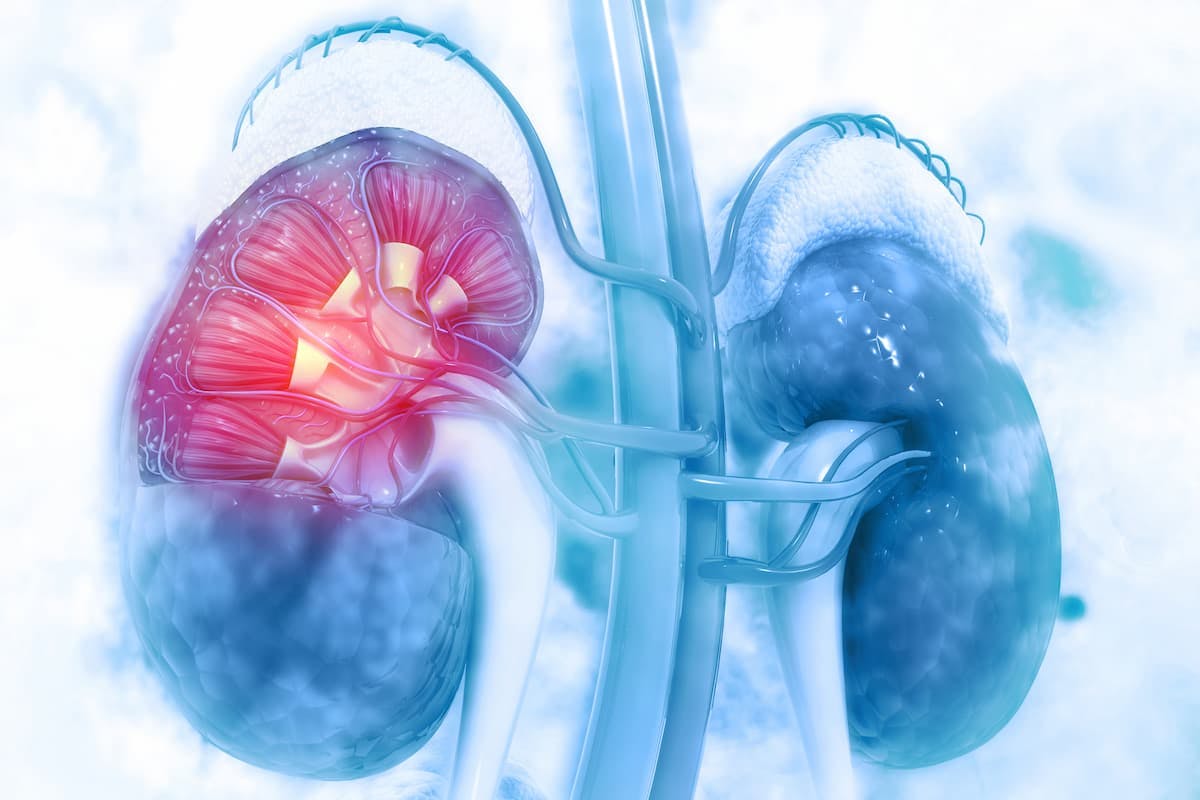
Results from a retrospective analysis indicate that the use of the antiangiogenic, VEGF inhibitor sorafenib for the treatment of advanced renal cell... More »
It is hard to realize that an elderly patient's visit to you is likely the only trip outside his or her apartment for the week and the only contact... More »
Further prospective clinical trials in very elderly patients with DLBCL are clearly needed. Complementing the growing need for such trials, an... More »
Key Differences between FQHCs and RHCs Chastity Werner, RHIT, June 13, 2013 FQHCs and RHCs take up a unique niche among physician practices. And that affects compensation and billing.
Improving Care Coordination in Your Practice Susanne Madden, June 12, 2013 Practices are feverishly working to control the rising costs of healthcare - effective care coordination can help.
Refunding Overpayments: Two Options for Medical Practices Ericka L. Adler, June 12, 2013 Medicare and Medicaid providers must return overpayments once identified. Here are two different refund approaches for practices to consider when necessary.
iPad Alternatives for Mobile Physicians Marisa Torrieri, June 11, 2013 As more physicians are seeing the merits of media tablets, the market is expanding, too.