Ovarian Cancer
Latest News


April 11th 2024
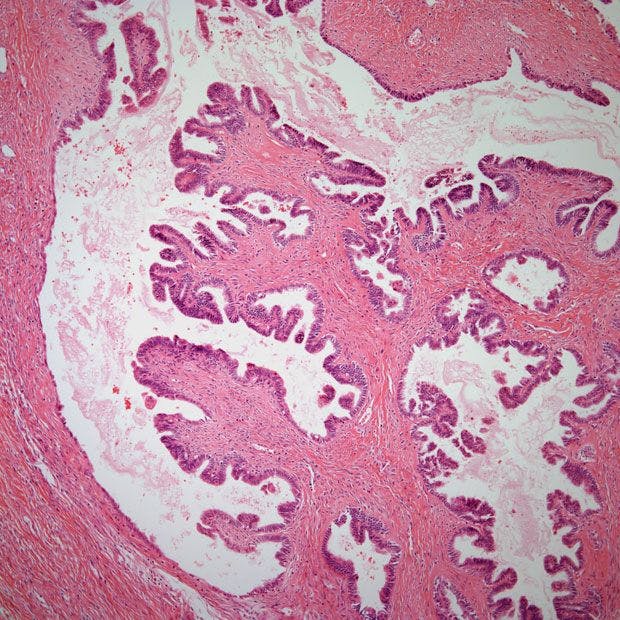
Combining rintatolimod with pembrolizumab may confer a synergistic effect in patients with recurrent ovarian cancer.

















The Latest on Acute Lymphocytic Leukemia
View More

A Focus on Acute Myeloid Leukemia
View More

Updates in Myelodysplastic Syndromes
View More

Equalizing Inequities™ in Multiple Myeloma Care: Shining a Light on Current Barriers and Opportunities for Improved Outcomes
View More

Community Practice Connections™: What’s Next for Patients with Breast Cancer, and How Can We Effectively Optimize PARP-, HER2/3-, and TROP2-Targeted Regimens in Treatment Plans?
View More

Show Me Your Care Plan™: Nursing Considerations for Applying the Latest Approaches Across Care Settings in Melanoma
View More

Patient, Provider and Caregiver Connection™: Addressing Patient Concerns During the Treatment and Management of HR+/HER2- Breast Cancer
View More

Breaking Down Biomarkers in Non–Small Cell Lung Cancer: A Case-Based Discussion for the Oncology Nurse
View More

Medical Crossfire®: Critical Questions on Diagnosis, Sequencing, and Selection of Systemic and Radioligand Therapy Options for Patients with GEP-NETs
View More

Medical Crossfire®: Expert Exchanges to Maximize Clinical Outcomes for Patients with CRPC Through Evidence-Based Personalized Therapy
View More

Community Practice Connections™: 16th Annual Interdisciplinary Prostate Cancer Congress® and Other Genitourinary Malignancies
View More

Patient, Provider, and Caregiver Connection: Addressing Pediatric and AYA Patient Concerns While Managing Hodgkin Lymphoma
View More

Go To PER in Chicago
May 31, 2024 - June 2, 2024
Register Now!

The Top 10 Oncogenic Drivers in NSCLC for 2023: What You Need to Know on Tumor Testing, Targets, and Treatment Strategies to Move the Field Forward
View More

Patient, Provider, and Caregiver Connection™: Individualizing Care for Patients with Schizophrenia—Understanding Patient Challenges and the Role of Innovative Treatment
View More

Expert Illustrations & Commentaries™: Exploring the Mechanistic Rationale for Targeting FGFR2 and Pan-FGFR in CCA
View More
Oncology Consultations®: Next Generation SERDs—Key Data and Practical Takeaways for the Community Physician
View More

Live “Hot Seat”: Experts Face Your Hot-Button Questions on Maximizing PARP Inhibitors in Patients With CRPC
View More

Medical Crossfire®: Leveraging Multidisciplinary Teams in Early–Stage Breast Cancer When the Goal is Cure
View More

Everything You Need to Know About PARP Inhibitor Combinations in Prostate Cancer Care: Why? For Whom? And When?
View More

Expanding the Armamentarium of Actionable Mutations in NSCLC: Uncovering the Potential of CEACAM5 as a Therapeutic Target
View More

Multidisciplinary Management of TNBC: Immunotherapy, PARP, TROP2, Oh My!
View More

The 14th Asia-Pacific Primary Liver Cancer Expert Meeting
July 18 - 20, 2024
Register Now!

23rd Annual International Congress on the Future of Breast Cancer® East
July 19-20, 2024
Register Now!

Community Practice Connections™: 14th Annual International Symposium on Ovarian Cancer and Other Gynecologic Malignancies
View More

Advances In™: Targeting PSMA to Advance Diagnosis And Management Of Patients With Prostate Cancer
View More

Clinical Case Vignette Series: Integrating Recent Data into Practice to Improve Outcomes in Advanced Prostate Cancer
View More

Community Practice Connections™: 8th Annual School of Gastrointestinal Oncology®
View More

Community Practice Connections™: The Advent of TROP2-Targeted Treatment Approaches in HR+/HER2- Breast Cancer
View More

Show Me the Data™: Do We Have Sea Change for Novel Approaches in HR+/HER2- Breast Cancer? CDK, PI3K/AKT, ADC, and Next-Gen SERD Strategies Assessed
View More
More News





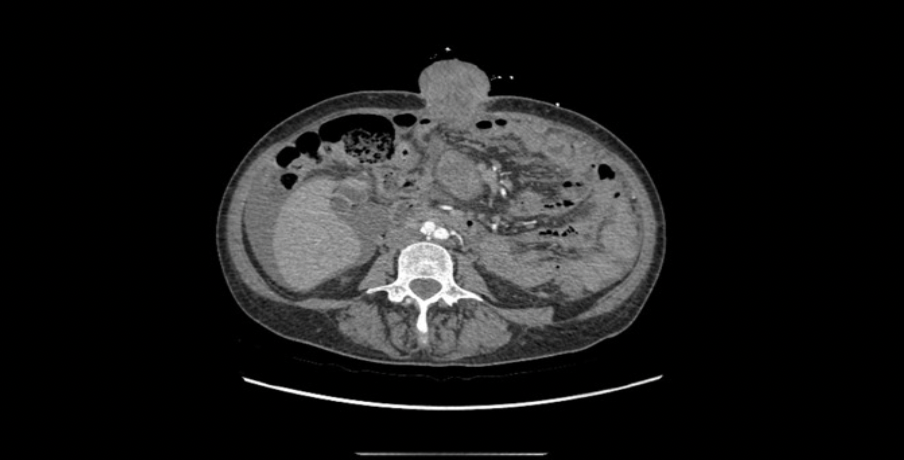
Extreme Case of Surgical Port Metastasis in Ovarian Cancer
March 5th 2024We present the case of a 51-year-old woman with metastatic International FIGO stage IIIC ovarian cancer who had delayed her therapy after initial laparoscopy due to COVID-19 infection and presented with an extreme case of surgical port metastasis.


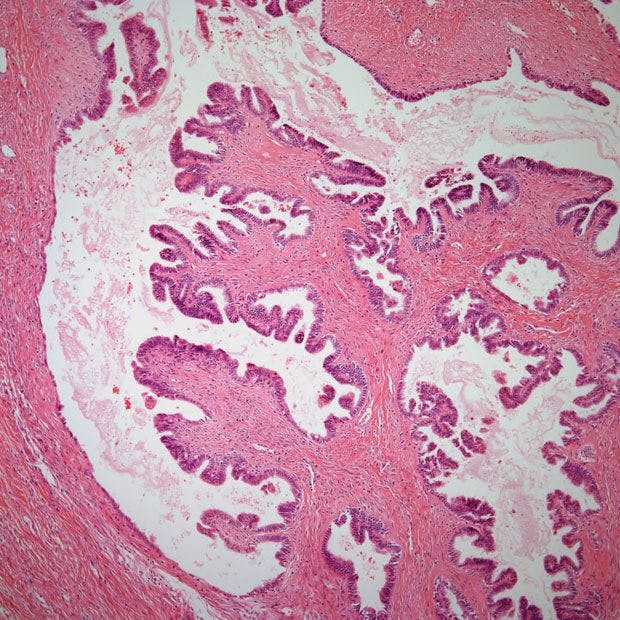

Mirvetuximab Soravtansine Yields Meaningful OS in Platinum-Resistant Ovarian Cancer
November 17th 2023Data from the phase 3 MIRASOL trial support mirvetuximab soravtansine as a new standard of care for patients with folate receptor α–positive, platinum-resistant ovarian cancer, says Kathleen N. Moore, MD, MS.
Senaparib Significantly Improves PFS Vs Placebo in Advanced Ovarian Cancer
October 20th 2023Results from the phase 3 FLAMES trial show an improved progression-free survival benefit with senaparib monotherapy vs placebo across all pre-specified patient subgroups with newly diagnosed, advanced ovarian cancer.


TTFields Combo Misses OS End Point in Platinum-Resistant Ovarian Cancer
August 28th 2023Findings from an exploratory subgroup analysis in the phase 3 INNOVATE-3 trial suggest that Tumor Treating Fields plus paclitaxel may confer a survival benefit in patients who received only 1 prior line of therapy for platinum-resistant ovarian cancer.