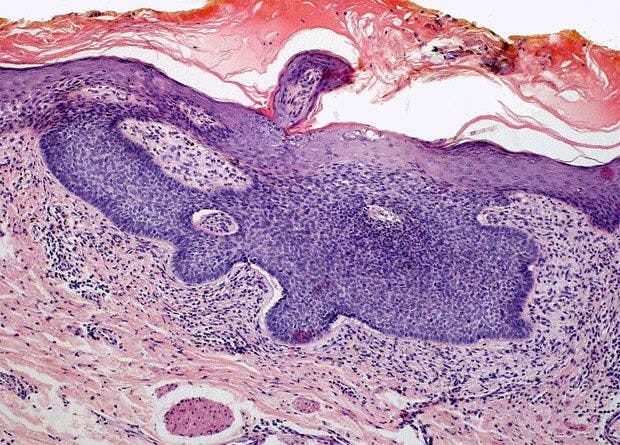
Using a novel combination, a new study suggests another way to inhibit the hedgehog signaling pathway to prevent or delay resistance to vismodegib in patients with basal cell carcinoma.
Researchers have shown that patients who use nonsteroidal anti-inflammatory drugs like aspirin and ibuprofen are less likely to develop three types of skin cancer.
The US Food and Drug Administration (FDA) announced the approval of vismodegib (Erivedge), for the treatment of advanced basal cell carcinoma, the most common type of skin cancer, for patients who are not eligible for surgery or radiation, and for metastatic disease.
Using in vitro techniques and mouse models, scientists at the University of Chicago Department of Medicine and colleagues have demonstrated that downregulation of PTEN in epidermal keratinocytes predisposes skin to ultraviolet B (UVB)-induced tumorigenesis.
Older male patients who have undergone heart transplant are at a higher risk for developing squamous cell carcinoma post-surgery. In addition, certain immunosuppression agents can increase the risk of basal cell carcinoma.
A virus discovered last year in a rare form of skin cancer has also been found in people with the second most common form of skin cancer among Americans, according to researchers at the Ohio State University Comprehensive Cancer Center–James Cancer Hospital and Solove Research Institute. Their findings were published online June 25, 2009, by the Journal of Investigative Dermatology.
According to a 2005 survey conducted by the American Academy of Dermatology, 92% of the respondents understood that getting a tan from the sun is dangerous. Yet, 65% said that they think they look better when they have a tan.
Within the relatively short time that ipilimumab and vemurafenib have been commercially available, phase II data for the investigational agents nivolumab and MK-3475, for the combination of dabrafenib... More »
Eccentric darker pigmentation in this small asymptomatic lesion strongly suggests malignant melanoma. This patient had a history of non-melanoma skin cancer, but was unaware of the questionable... More »
Biopsy of the 3 red “spots” in close proximity showed lichenoid keratosis— a benign lesion, probably related to seborrheic keratosis, which often mimics skin cancer. More »
Skin cancer is the single most common form of cancer, accounting for more than 75% of all cancer diagnoses. More than 1 million cases of squamous cell and basal cell carcinomas are diagnosed annually,... More »
Using a novel combination, a new study suggests another way to inhibit the hedgehog signaling pathway to prevent or delay resistance to vismodegib in patients with basal cell carcinoma. More »
This uncommon benign entity closely mimics squamous cell carcinoma, superficial basal cell carcinoma, and advanced actinic keratoses. The lichenoid keratosis does not transform into skin cancer. More »
A small punch biopsy showed basal cell carcinoma with focal hypermelanosis. The underlying erythema and punctuate superficial dark black pigmentation strongly suggested a dysplastic nevus or even a... More »
Researchers have shown that patients who use nonsteroidal anti-inflammatory drugs like aspirin and ibuprofen are less likely to develop three types of skin cancer. More »
The US Food and Drug Administration (FDA) announced the approval of vismodegib (Erivedge), for the treatment of advanced basal cell carcinoma, the most common type of skin cancer, for patients who are... More »
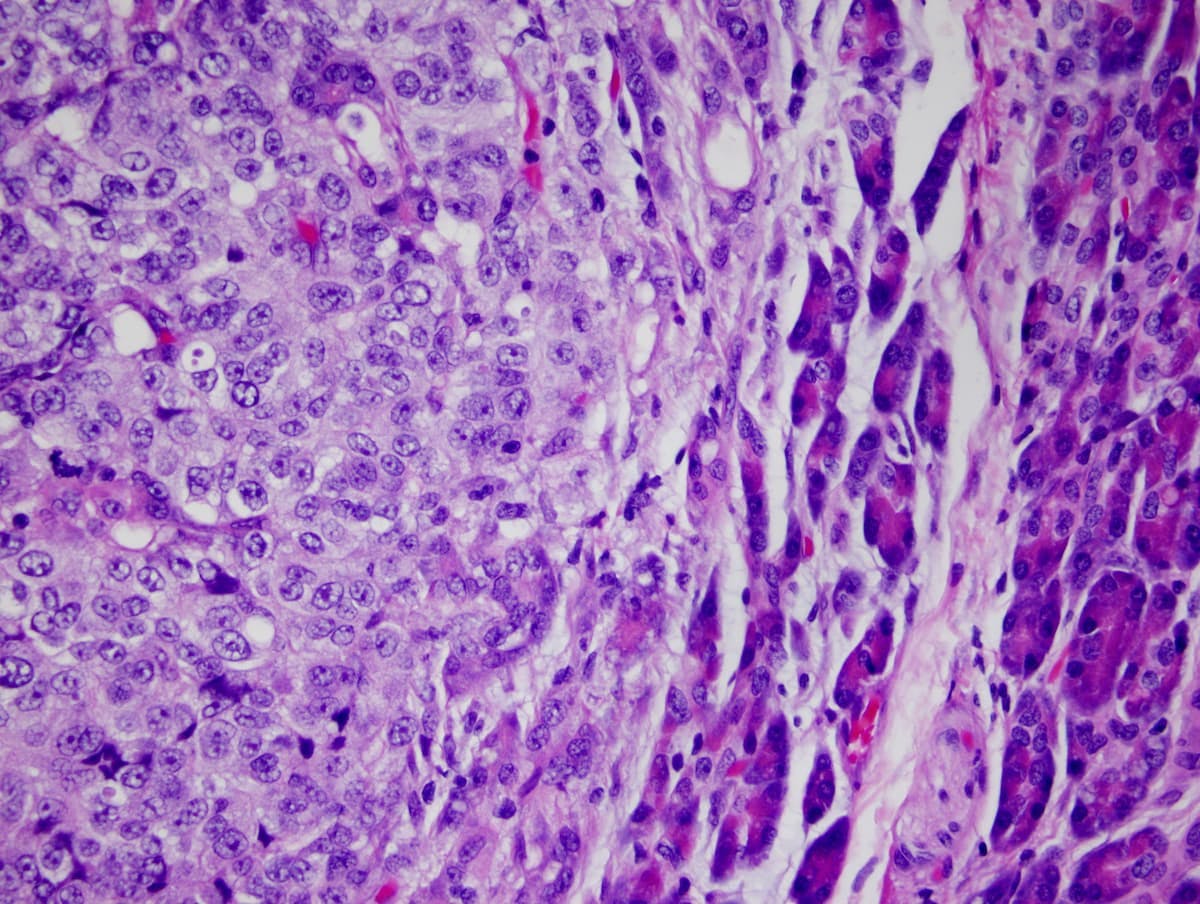
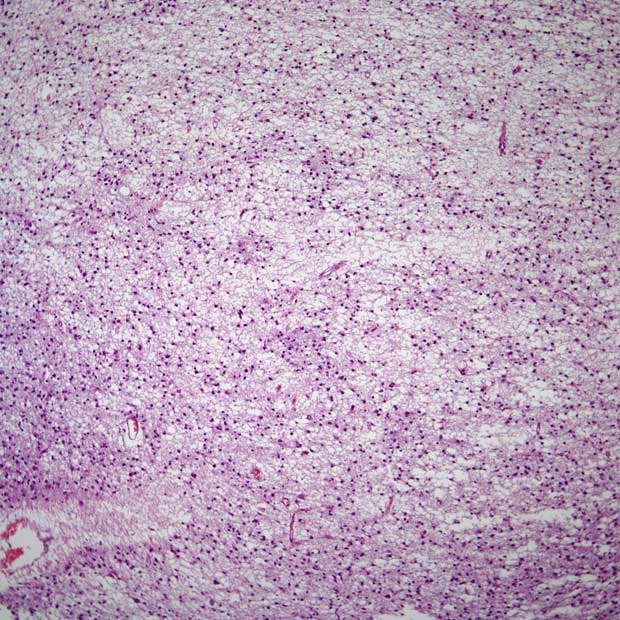
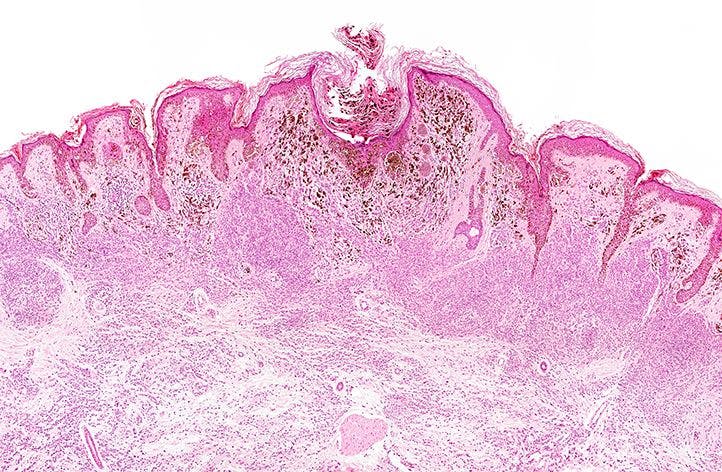
A 38-year-old man consults for a small subcutaneous nodule of approximately 2 cm in diameter. Surgical excision of the tumor nodule is performed. What is your diagnosis?
A 34-year-old, ostensibly healthy Caucasian male presented with a 3 cm × 3 cm solitary skin lesion located on the distal portion of the dorsal aspect of the right arm. What is this lesion?
A 67-year-old African American female presented with an approximately 18-month history of a solitary, asymptomatic lesion on the right leg. This patient most likely has what tumor on her leg?
Key Differences between FQHCs and RHCs Chastity Werner, RHIT, June 13, 2013 FQHCs and RHCs take up a unique niche among physician practices. And that affects compensation and billing.
Improving Care Coordination in Your Practice Susanne Madden, June 12, 2013 Practices are feverishly working to control the rising costs of healthcare - effective care coordination can help.
Refunding Overpayments: Two Options for Medical Practices Ericka L. Adler, June 12, 2013 Medicare and Medicaid providers must return overpayments once identified. Here are two different refund approaches for practices to consider when necessary.
iPad Alternatives for Mobile Physicians Marisa Torrieri, June 11, 2013 As more physicians are seeing the merits of media tablets, the market is expanding, too.