




Brain Cancer
Latest News
Advertisement
Latest Videos


CME Content
















Advertisement
More News
The B7-H3 CAR T-cell therapy showed positive survival results for younger patients with diffuse intrinsic pontine glioma in a phase 1 trial.

Jennifer Moliterno, MD, FAANS, discusses current neurosurgical strategies for maximizing safe resection in newly diagnosed high-grade gliomas.
Oncology clinicians can effectively collaborate with neuroradiologists using advanced techniques to improve brain tumor characterization.

Jennifer Moliterno, MD, FAANS, discusses current neurosurgical strategies for newly diagnosed high-grade gliomas.
Nicholas Blondin, MD, discusses the latest advancements in immunotherapy for brain cancer as well as emerging strategies, including CAR T-cell therapy.
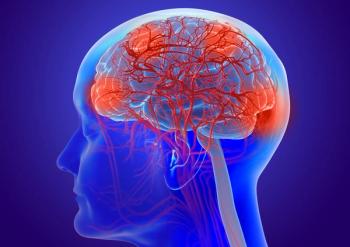
An independent data safety monitoring board determines that the phase 2b SURVIVE trial in newly diagnosed glioblastoma may continue without modification.
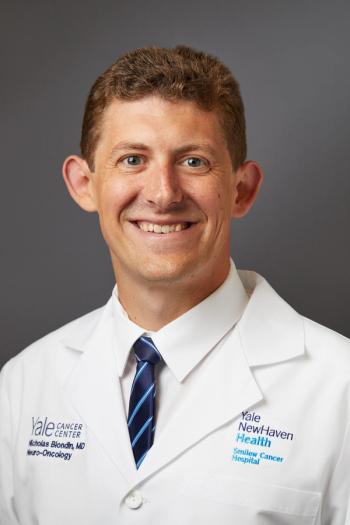
Nicholas Blondin, MD, provides an in-depth discussion on the evolving role of immunotherapy in the treatment of primary and metastatic brain tumors.
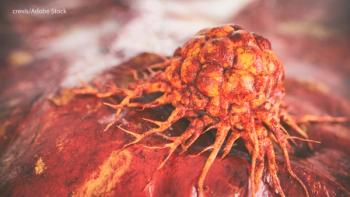
The FDA requires additional confirmatory evidence to progress the application for TLX101-CDx in this glioma indication.

William Kennedy, MD, discussed modern radiosurgery techniques, technology selection, and the multidisciplinary approach for treating complex CNS tumors.
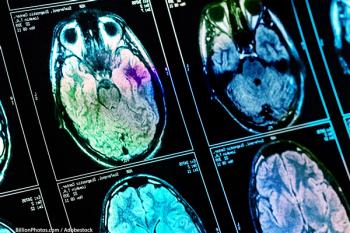
Additional results from the phase 2 IPAX-Linz trial will be reported at the 2025 Nuclear Medicine and Neurooncology Symposium.
The REMASTer trial found that laser interstitial thermal therapy was equivalent to open craniotomy regarding OS and PFS data in progressive metastatic brain tumors.
Care for brain metastases is constantly evolving, and now, physicians can use targeted systemic therapies as well as more focal radiation to treat them.
The FDA has accepted an NDA and set a PDUFA date of August 18, 2025, for the decision on dordaviprone in H3 K27M-mutant diffuse glioma.
An individualized vaccine as well as aerosolized medicines are 2 novel forms of treatment that are under development for managing brain tumors.
Frances Chow, MD, and Elizabeth Ren Zhang-Velten, MD, PhD, spoke about several facets of the current brain tumor landscape, including targeted therapies.
Shwetal Mehta, PhD, emphasizes her institution’s patient-focused and scientifically rigorous philosophy when developing new therapies in brain cancer.
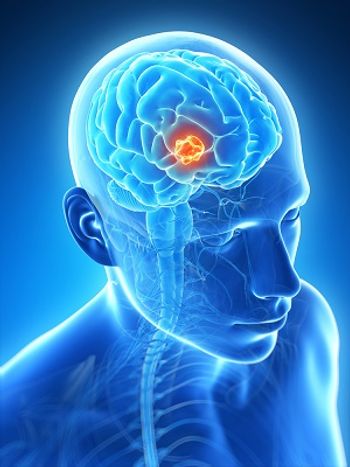
The approval marks Foundation Medicine’s first companion diagnostic indication to exclusively support pediatric patients with brain tumors.
Shwetal Mehta, PhD, highlights early phase clinical trials, biomarker testing strategies, and potential next steps for research in the brain cancer field.

Shwetal Mehta, PhD, describes efforts regarding the development of protein degraders and antibody-drug conjugates in the neuro-oncology field.
Liquid biopsy tests may help determine the extent of activity among patients who receive a novel fourth-generation EGFR inhibitor for brain cancer.
Shwetal Mehta, PhD, highlights novel brain cancer drug development procedures in the clinical lab and pre-clinical arms of the Ivy Brain Tumor Center.
Developers have requested priority review status for dordaviprone as a treatment for patients with recurrent H3 K27M-mutated glioma.
Treatment with vorasidenib also confers better seizure control than placebo in the phase 3 INDIGO study.
Researchers at SickKids Hospital and McMaster University have developed a novel CAR T-cell therapy targeting ROBO1 for the treatment of recurrent glioblastoma.
Patients with newly diagnosed glioblastoma had improved survival when treated with TTFields plus temozolomide and pembrolizumab.
Advertisement
Advertisement
Trending on CancerNetwork
1
Modifiable Risk Factors Suggest Potential for Improving Cancer Prevention
2
Exploring The Impact of ADTs on Cardiac Risk in Prostate Cancer Treatment
3
Dato-DXd Receives Priority Review in Unresectable/Metastatic TNBC
4
Barriers to CAR T-Cell Referral and Center Access in Multiple Myeloma
5