




Lung Cancer
Latest News
Advertisement
Latest Videos

CME Content

































Advertisement
More News
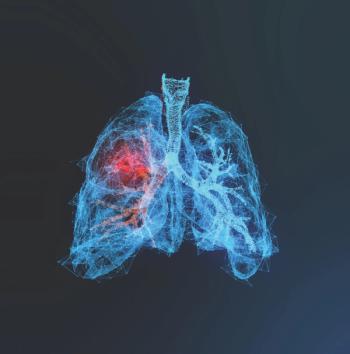
ONCOLOGY® recently sat down with David R. Gandara, MD, director of the thoracic oncology program and senior advisor to the director of the University of California (UC) Davis Comprehensive Cancer Center, to discuss the impact of the pandemic on the current management and treatment of patients with lung cancer, as well as the future of education and patient care in a post–COVID-19 world.

The FDA approved the first therapy to treat cancers with rearranged during transfection (RET) gene alterations.

In this study, the feasibility and safety of DETECT-A coupled with PET-CT imaging to detect cancer was evaluated using a prospective, interventional study of 10,006 women not previously known to have cancer.

The FDA granted accelerated approval to capmatinib for adult patients with metastatic non-small cell lung cancer.

This study suggested that identifying which lung cancer screening options are generally more attractive to patients may increase screening.

A recent study led by led by King's College London and Public Health England examined 1.4 million patients of cancer via the National Cancer Registry and found that early GP referrals led to longer survival rates for patients.
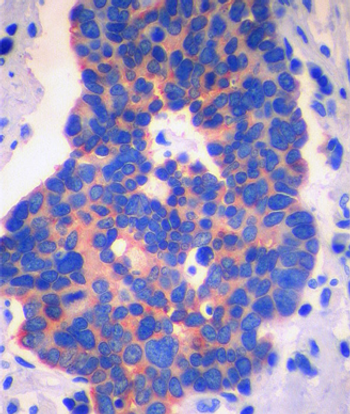
These findings suggest that there are significant outcome inequalities for patients with small cell lung cancer which are relevant to the policy debate on Medicaid expansion under the Affordable Care Act.

Updated interim results from the phase Ib/II CLASSICAL-Lung study showed promise for pepinemab in combination with avelumab in patients with advanced stage non-small cell lung cancer.

The study found that pembrolizumab has activity in brain metastases from non-small cell lung cancer that is similar to its systemic activity and can result in prolonged survival in a subset of patients.

This study found a substantial difference in the number of agents available for use in the metastatic and adjuvant settings for non-small cell lung cancer, breast cancer, and colon cancer.
Researchers found that using prophylactic cranial irradiation after thoracic radiation in patients with limited-stage small cell lung cancer undergoing contemporary head imaging is not associated with a decrease in risk of developing new brain metastasis.

Identifying early predictors of poor quality of life could allow for the identification of patients who may benefit from early referral to palliative and supportive care according to the researchers.

A prognostic survival model, titled PROVIEW, was able to accurately predict changing cancer survival risk over time and may have the potential to be a useful prognostic tool that can be completed by patients.

Researchers outlined recommendations for testing patients with lung cancer for COVID-19, given their specific cumulative risk factors for COVID-19 complications.

Researchers detailed the challenges presented for lung cancer therapy during the COVID-19 pandemic and how to potentially mitigate them.

Researchers examined the pathology of early-phase COVID-19 pneumonia in two older patients who were admitted to the hospital for adenocarcinoma procedures, but did not exhibit COVID-19 symptoms at the time of these procedures.
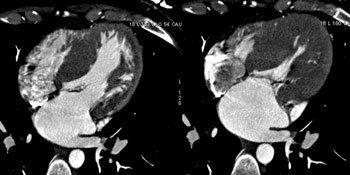
Experts present a case of recurrent small cell lung cancer presenting with a cutaneous metastatic nodule in the right breast.
Bristol Myers Squibb recently announced that the FDA granted priority review to nivolumab plus ipilimumab in combination with chemotherapy as a first-line treatment for metastatic NSCLC.

The FDA granted priority review to pembrolizumab monotherapy for the treatment of adult and pediatric patients with unresectable or metastatic TMB-high solid tumors who have progressed following prior treatment and who have no satisfactory alternative treatment options.
Researchers determined that artificial intelligence could help predict responses to systemic therapies for patients with non-small cell lung cancer by utilizing CT scans.
The FDA approved durvalumab (Imfinzi) as a first-line treatment for adult patients with extensive-stage small cell lung cancer in combination with standard-of-care chemotherapies, etoposide plus either carboplatin or cisplatin.
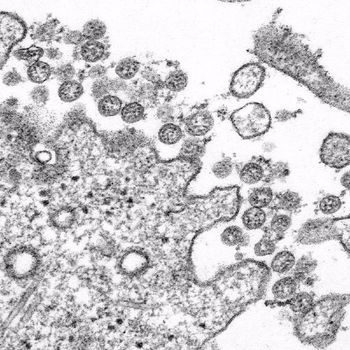
Researchers reported on the incidence and outcomes of the SARS-CoV-2 infection, which has been linked to COVID-19, in patients with cancer who were treated at a tertiary cancer institution in Wuhan, China.

In this study, polypharmacy during the 6-month time period pre-IV chemotherapy was highly predictive of post-chemotherapy inpatient hospitalization.

This study examined the acquired resistance found from treatment with third-generation EGFR TKIs to see if it was associated with diverse pathways, with an eye for the EGFR T790M mutation.

According to researchers, black and Hispanic patients are less likely to undergo guideline recommended PET/CT imaging at NSCLC diagnosis, which could partially explain differences in survival.
Advertisement
Advertisement
Trending on CancerNetwork
1
Modifiable Risk Factors Suggest Potential for Improving Cancer Prevention
2
2026 Tandem Meetings: What’s the Latest Research in Multiple Myeloma?
3
Dato-DXd Receives Priority Review in Unresectable/Metastatic TNBC
4
Barriers to CAR T-Cell Referral and Center Access in Multiple Myeloma
5