






Lymphoma
Latest News
Advertisement
Latest Videos

CME Content































Advertisement
More News
Potential contributing factors of marginal zone lymphoma (MZL) were highlighted in a recent discussion with James R. Cerhan, MD, PhD.
Anakinra prophylaxis did not significantly decrease the incidence or severity of CRS or ICANS in patients with LBCL treated with liso-cel.
Juan Alderuccio, MD, discussed treatment strategies for MZL, particularly as they relate to quality of life, and the role of prognosis models on treatment.
Julie M. Vose, MD, MBA, answered questions about the significance and potential impact of MZL Workshop.
Data from the ECHELON-3 trial support the approval of the brentuximab vedotin combo in relapsed/refractory B-cell lymphoma.
A pathologist discusses the challenges of diagnosing nodal MZL, including its lack of specific defining characteristics.
In the phase 2 TRANSCEND FL trial, lisocabtagene maraleucel met its primary end point of overall response rate in patients with marginal zone lymphoma.
Marginal Zone Lymphoma experts discussed recent advancements in all areas of MZL, while calling attention to gaps in knowledge in the 2024 MZL Scientific Workshop.
Completion of the phase 1 first-in-human trial revealed that iPSC-derived CAR natural killer cell therapy has potential for development across oncology.

Thomas Habermann, MD, discusses the significance of the MZL Workshop and its contributions to advancing research and improving outcomes.
Julie M. Vose, MD, MBA, discussed MZL research and future directions in the February Letter to Readers.
The TRANSCEND FL trial showed that liso-cel elicited an ORR of 97.1% and a complete response rate of 94.2% in patients with follicular lymphoma.
Researchers from the University of Wisconsin, Cornell, and a consortium of other institutions conducted a retrospective analysis on CD19-directed CAR T-cell therapy for R/R T-cell/histiocyte-rich LBCL.
Select patients may be eligible to continue treatment with tabelecleucel or ATA3219 in accordance with study protocols.
The CRL did not identify any deficiencies related to the manufacturing, efficacy, or safety outlined in the BLA, and no new clinical trials were requested.
Brentuximab vedotin, lenalidomide, and rituximab yielded a median OS of 13.8 months and a median PFS of 4.2 months in the phase 3 ECHELON-3 trial.
The FDA has approved acalabrutinib in previously untreated MCL based on results from the phase 3 ECHO trial.
Brad S. Kahl, MD, and Tycel Phillips, MD, discussed the use of acalabrutinib plus bendamustine and rituximab for patients with untreated MCL.
Cytokine release syndrome was primarily low or intermediate in severity, with no grade 5 instances reported among those with diffuse large B-cell lymphoma.
Here are 3 things you should know about immunotherapy in diffuse large B-cell lymphoma.
Safety results from a phase 2 trial show that most toxicities with durvalumab treatment were manageable and low or intermediate in severity.
Results from the CLOVER WaM trial saw a clinical benefit rate of 98.2% in patients with Waldenström Macroglobulinemia treated with Iopofosine I 131.

Investigators are currently evaluating mosunetuzumab in relapsed disease or comparing it with rituximab in treatment-naïve follicular lymphoma.
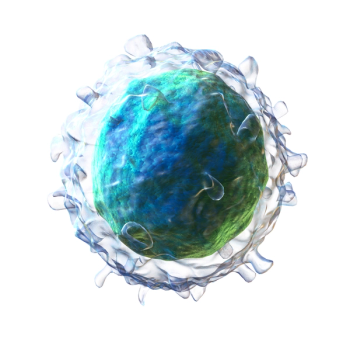
Phase 3 data support tafasitamab plus lenalidomide/rituximab as a potential new standard of care in patients with relapsed/refractory follicular lymphoma.

Autologous transplant did not confer significantly improved overall survival regardless of induction intensity in a phase 3 trial.
Advertisement
Advertisement
Trending on CancerNetwork
1
Modifiable Risk Factors Suggest Potential for Improving Cancer Prevention
2
Barriers to CAR T-Cell Referral and Center Access in Multiple Myeloma
3
2026 Tandem Meetings: What’s the Latest Research in Multiple Myeloma?
4
Real World Outcomes of CAR T-Cell Therapy in Multiple Myeloma Including Older and Comorbid Patients
5