






Radiation Oncology
Latest News
Advertisement
Video Series

Latest Videos






Shorts

0:54
AI-Based Contouring Could Optimize Treatment Planning in HNC Groups
7 days ago
by
Heath Skinner, MD, PhD

0:45
Comparing HIFU To Surgery and SBRT in Localized Prostate Cancer
15 days ago
by
Mina Fam, MD

0:34
Exploring AI Use in Breast Radiation Oncology
a month ago

0:43
Is Proton Therapy Clinically Effective in Breast Cancer?
a month ago
by
Chirag Shah, MD

0:38
Defining a New Standard of Care in the OPSCC Treatment Paradigm
2 months ago
by
Jason K. Molitoris, MD, PhD

0:32
How AI Is Revolutionizing Electronic Health Records
2 months ago
by
Sunil W. Dutta, MD

0:56
Sequencing Radiation With Systemic Therapy in Inoperable Endometrial Cancer
2 months ago
by
Dominique Rash, MD

0:41
Why Survivorship is the Next Phase of Cancer Research
2 months ago
by
Fumiko Chino, MD

0:46
How Has Hypofractionation Made Lung Cancer Radiotherapy More Convenient?
2 months ago
by
Pranshu Mohindra, MD

0:53
Revolutionizing Breast Cancer: From 7 Weeks to 1 Week of Radiation
2 months ago
by
Parul Barry
Podcasts






















































Advertisement
More News


Low-grade toxicity related to durvalumab in the ASTEROID trial was common, which mostly consisted of skin reactions, pruritus, and fatigue.
The future of radiation oncology will be largely affected by artificial intelligence and genomics, according to Sheila D. Rege, MD, FACRO.

Bridget Koontz, MD, discussed evaluating the role of concurrent hormone therapy and brachytherapy for prostate cancer that she presented at ASCO GU.
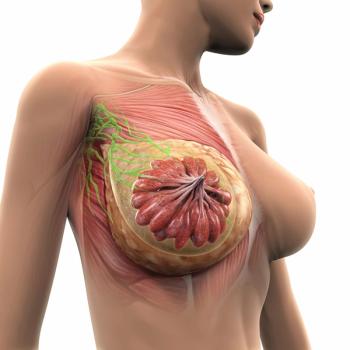
Tousimis explored the feasibility, complications, and surgical strategies for nipple-sparing mastectomy in patients with a history of radiation therapy.

SkinCure Oncology filed a federal lawsuit against CMS and HHS to challenge the elimination of reimbursement for image-guided radiation therapy for nonmelanoma skin cancer.

A total of 46.6% of patients showed a favorable response to ultrahypofractionation radiotherapy for locally advanced breast cancer.

Jason Molitoris, MD, PhD, discussed 2025 data on proton therapy for oropharyngeal cancer, highlighting immune preservation and reduced long-term AEs.

Charlotte Ivey Rivers, MD, discussed the importance of rare CNS tumor research, upcoming trial data in meningioma, and the role of functional radiosurgery.

Fumiko Chino, MD, discussed the nuances of patient-centered care, addressing financial toxicity, AI bias in oncology, and survivorship.

Pranshu Mohindra, MD, outlined considerations for optimizing the use of hypofractionated radiation for patients with lung cancer.

In a presentation at the 2026 ACRO Summit, Pranshu Mohindra, MD, reviewed the treatment planning process for hypofractionated radiation in lung cancer.
Sunil W. Dutta, MD, discussed hypofractionation in breast reconstruction and why clinical follow up remains a key "soft skill" in an AI-driven field.

Sunil Dutta, MD, discusses integrating FAST-Forward and PRIME II trial data to personalize breast cancer treatment and sequencing radiation with ADCs.

Fumiko Chino, MD, FASCO, discussed the psychological "free fall" patients may experience after completion of radiation therapy for breast cancer.

Urinary toxicity, gastrointestinal toxicity, and sexual function are among the categories that should be tracked when treating patients with inoperable endometrial cancer.

Emily Papai, MD, discussed her study on RECIST responses to neoadjuvant radiation in retroperitoneal sarcoma and the challenges of organ-sparing surgery.

Dominique Rash, MD, presented several cases of patients with inoperable endometrial cancer at the 2026 ACRO Summit.
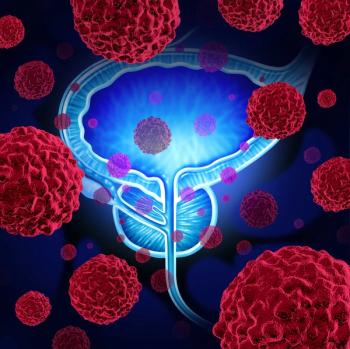
The differences in treatment setting are associational and are likely influenced by confounding by indication and not treatment effects.

According to Dominique Rash, MD, the incidence of inoperable endometrial cancer is rising in the US, and clinicians may encounter it more frequently.

A 5-year OS rate of 97.1% was observed among patients who received PSMA PET/CT restaging at first biochemical recurrence following prostatectomy.
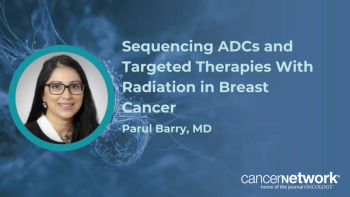
Parul Barry, MD, discussed the evolving role of ADCs and targeted therapies in breast cancer, highlighting strategies for sequencing them with radiation.

Because there are so many options available for treating DCIS, the chosen method is often based on the patient's preferences, said Jean L. Wright, MD, FASTRO.

Parul Barry, MD, discusses advances such as ultrahypofractionated radiation and the growing role of AI in streamlining workflows for breast cancer care.
Advertisement
Advertisement
Trending on CancerNetwork
1
FDA Delays Decision on Subcutaneous Isatuximab in Multiple Myeloma
2
Autogene Cevumeran & The Future of Personalized Cancer Vaccines
3
New Frontiers in Adjuvant Care: Evaluating Elacestrant in the ELEGANT Trial
4
CD39/PD-L1 Inhibition May Improve pCR Rate in Resectable NSCLC
5