





Colorectal Cancer
Latest News
Advertisement
Video Series
Latest Videos







Shorts

1:19
What to Expect From the BREAKWATER Trial at ASCO 2026?
5 months ago
by
Nicholas James Hornstein, MD, PhD

1:09
How a Short Exam Identified a Colorectal Cancer in a Patient in Their 40s
7 months ago
by
Marc Lehrer Greenwald, MD

1:17
What Are the Best Treatment Options for Patients with Later-Line mCRC?
8 months ago
by
Marwan G. Fakih, MD

0:41
Testing For Mutational Status Might Improve Colorectal Cancer Survival
a year ago
by
Rona Yaeger, MD

0:34
Managing Narcotic Use in Perioperative CRC Care
a year ago
by
Ronald Bleday, MD
Podcasts






























































Advertisement
More News

The FDA granted fast track designation to the oral pan-KRAS inhibitor KST-6051 for patients with KRAS-mutant advanced or metastatic solid tumors.

The FDA has set a new action date of March 3, 2027, for zanzalintinib/atezolizumab for previously treated metastatic colorectal cancer.

The FDA withdrew accelerated approval for adagrasib/cetuximab in KRAS G12C-mutated colorectal cancer after the KRYSTAL-10 trial failed to improve survival.

BioNTech has terminated a phase 2 trial of autogene cevumeran in ctDNA-positive, resected colorectal cancer after a DSMB found an overall survival imbalance.

Neoadjuvant botensilimab plus balstilimab produced major pathologic responses in 41% of pMMR and 100% of dMMR colorectal tumors in the phase 2 NEST trial.

The FDA accepted a priority review application for dostarlimab in untreated dMMR/MSI-H locally advanced rectal cancer, backed by AZUR-1 trial data.

Stratifying By Baseline Tumor Cell Density Indicates Treatment Effect Heterogeneity in Rectal Cancer
A post-hoc analysis of the ARISTOTLE trial demonstrated that patients with rectal cancer with high tumor cell density had improved DFS and OS.

Final DeFianCe trial results showed baseline plasma DKK1 predicts deepening sirexatamab benefit in second-line colorectal cancer.

Adding mFOLFOX6 and bevacizumab to atezolizumab cut the risk of progression or death by 58% vs atezolizumab alone in dMMR/MSI-H metastatic colorectal cancer.

Approval of the SimpleScreen CRC test may increase earlier detection of colorectal cancer and improve patient outcomes.

Agenus is halting financial support for the phase 3 BATTMAN trial in late-line metastatic MSS colorectal cancer to prioritize neoadjuvant development of the same regimen.

Interim data from the phase 2 AZUR-1 trial showed sustained clinical complete responses with dostarlimab monotherapy in dMMR/MSI-H locally advanced rectal cancer.

Catch up on key data in colorectal, pancreatic, and hepatocellular cancers presented at the ESMO Gastrointestinal Cancers Congress 2026.

A molecular residual disease test identified which patients with resected colorectal liver metastases gained a survival benefit from adjuvant chemotherapy.

Preliminary data from the phase 1/2 TARGET-D 101 trial showed a manageable safety profile for VS-7375 across KRAS G12D–mutated solid tumors.
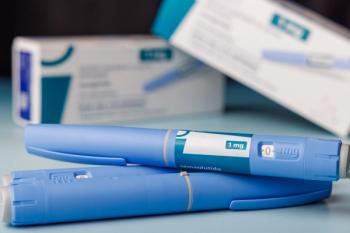
Retrospective data showed that GLP-1 receptor agonist use was associated with a 51% reduction in colorectal cancer odds among patients with inflammatory bowel disease.

Zanzalintinib plus atezolizumab did not elicit a statistically significant overall survival advantage over regorafenib in patients with non–MSI-H mCRC without active liver metastases.

The European Commission has approved encorafenib plus cetuximab and FOLFOX as the first BRAF-targeted regimen authorized in the EU for first-line BRAF V600E–mutant metastatic colorectal cancer.

A nurse-integrated mobile exercise app showed high usability, 80% exercise adherence, and significant fatigue improvements in a pilot study of adolescents with cancer.

Cost-utility analysis of the CHALLENGE trial showed structured exercise following adjuvant chemotherapy for colon cancer is cost-saving and improves QALYs.

FOLFIRI is viable as a chemotherapy backbone with the BREAKWATER regimen as a treatment for patients with frontline BRAF V600E-mutant metastatic colorectal cancer.

Data from the phase 3 CIRCULATE trial may justify ctDNA-guided treatment escalation strategies in pMMR stage II colon cancer.

A remote mobile health intervention tripled the odds of CRC screening completion in at-risk childhood cancer survivors in the randomized ASPIRES trial.

Adjuvant aspirin did not improve disease-free survival vs placebo in patients with stage III colorectal cancer who received standard adjuvant chemotherapy.

Serial ctDNA assessment after 3 months of adjuvant chemotherapy stratified recurrence risk and identified which patients with resected CRC benefit from extended treatment.
Advertisement
Advertisement
Trending on CancerNetwork
1
FDA Approves Dostarlimab in Previously Untreated Locally Advanced Rectal Cancer
2
Is Vitamin C an Epigenetic Interception Strategy in Pre-Leukemic Disease?
3
AI Foundation Models & Molecular Biomarkers in Breast Cancer
4
Ris-Rez Produces Anti-Tumor Activity in Extensive-Stage SCLC
5