


Gastrointestinal Cancer
Latest News
Advertisement
Video Series
Latest Videos


Shorts

0:49
Why are Experts Hopeful About the 2026 ASCO Annual Meeting?
5 months ago
by
Nicholas James Hornstein, MD, PhD
0:57
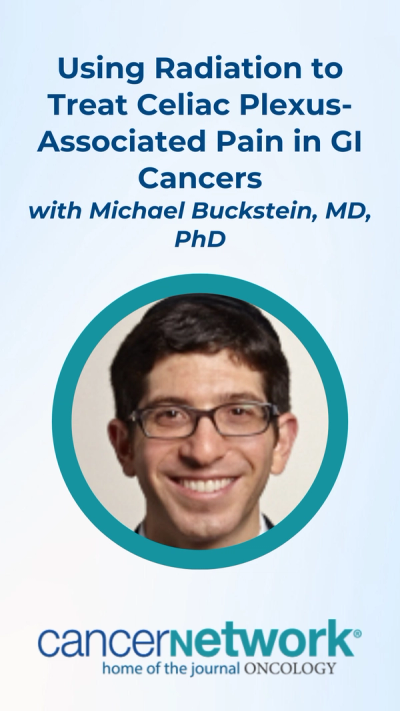
Using Radiation to Treat Celiac Plexus-Associated Pain in GI Cancers
8 months ago
by
Michael Buckstein, MD, PhD

0:41
Testing For Mutational Status Might Improve Colorectal Cancer Survival
a year ago
by
Rona Yaeger, MD
Podcasts




























































Advertisement
More News

A GDNS protocol did not significantly reduce loss of ASMI compared with usual care during chemoradiotherapy following esophagectomy in esophageal cancer.

The FDA has granted OncoSil Medical a humanitarian device exemption for its intratumoral radiation device in unresectable, non-metastatic distal cholangiocarcinoma.
Sonesitatug vedotin met dual primary survival end points in the phase 3 CLARITY-Gastric01 trial in CLDN18.2-positive gastric/GEJ cancer.
Fast track designation supports pelareorep's development for anal cancer that progresses after first-line checkpoint inhibitor-based therapy.
Catch up on key data in colorectal, pancreatic, and hepatocellular cancers presented at the ESMO Gastrointestinal Cancers Congress 2026.

The RASolute 302 study of daraxonrasib was “the single biggest study presentation” at ASCO 2026, according to Sivraj Muralikrishnan, MD.

Guilherme Fleury Perini, MD, PhD, discussed KEYFORM-008 findings on favezelimab/pembrolizumab vs chemotherapy in PD-1–refractory classic Hodgkin lymphoma.
Atezolizumab plus chemotherapy reduced the risk of disease recurrence or death by 50% compared with chemotherapy alone in this patient population.
Grade 3 or higher TRAEs occurred in 73.7% of patients with HCC who received camrelizumab plus rivoceranib and TACE vs 28.7% who received TACE alone.
Data from the EMERALD-3 trial may position the STRIDE regimen with or without lenvatinib as a compelling therapeutic option in this HCC population.

The FDA has approved zenocutuzumab for the treatment of patients with NRG1 fusion-positive cholangiocarcinoma after progression on or after systemic therapy.

Mohamed Adam, MD, discusses switching from open to robotic Whipple procedures and the impending integration of AI-driven navigation in surgical oncology.

The FDA’s decision is based on data from the phase 1/2 eNRGy trial, which demonstrated that zenocutuzumab yielded responses in NRG1+ cholangiocarcinoma.

Tovecimig plus paclitaxel yielded a median OS of 8.9 months vs 9.4 months with control in second-line biliary tract cancer in the phase 2/3 COMPANION-002 trial.
New trials reshape gastroesophageal adenocarcinoma care with durvalumab‑FLOT, HER2, and CLDN18.2 targets, plus practical toxicity tips.
Zenocutuzumab has been added to the NCCN’s Clinical Practice Guidelines in Oncology for biliary tract cancers based on results from the phase 2 eNRGy trial.
The FDA has granted orphan drug designation to tovecimig (CTX-009) for the treatment of bile duct cancer, following results from the phase 2/3 COMPANION-002 trial.
BiliSeqV2/V3 improved neoplastic bile duct stricture identification compared with pathology alone, according to a study from UPMC investigators.
Results from the phase 1/2 ReFocus trial demonstrated positive activity from lirafugratinib in the various pretreated, FGFR2-mutated cholangiocarcinoma populations.
Learn SCAC risk factors, rising trends, and new frontline retifanlimab chemoimmunotherapy, plus PD‑1 options and emerging checkpoint strategies.
Results from a phase 1b trial for givastomig in frontline HER2-negative, PD-L1–positive gastroesophageal cancer support the FDA’s decision.
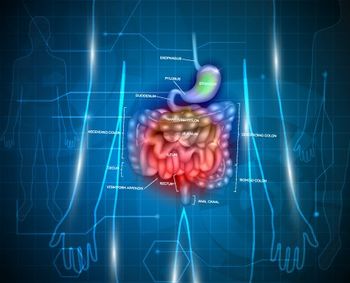
Data from the POD1UM-303/InterAACT-2 trial support the approval of the retifanlimab regimen in first-line squamous cell carcinoma of the anal canal.
First-line nivolumab plus chemotherapy provides a durable survival benefit in advanced gastric cancers, particularly in patients with a PD-L1 CPS of 5 or higher.
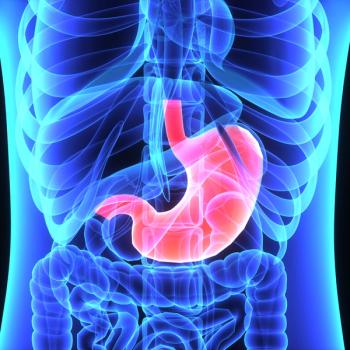
Patient characteristics such as female sex and receipt of pylorus-preserving gastrectomy were protective of gallstone disease risk in those who had gastric cancer.
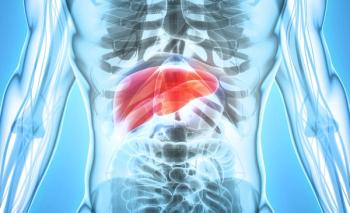
Irpagratinib demonstrated superior survival among patients with hepatocellular carcinoma who were pretreated with ICIs and mTKIs.
Advertisement
Advertisement
Trending on CancerNetwork
1
FDA Approves Dostarlimab in Previously Untreated Locally Advanced Rectal Cancer
2
NCCN Guidelines Position CAR T Cells in Early Relapsed Multiple Myeloma
3
Ris-Rez Produces Anti-Tumor Activity in Extensive-Stage SCLC
4
FDA Accepts NDA for UGN-103 in Recurrent Low-Grade Intermediate-Risk NMIBC
5