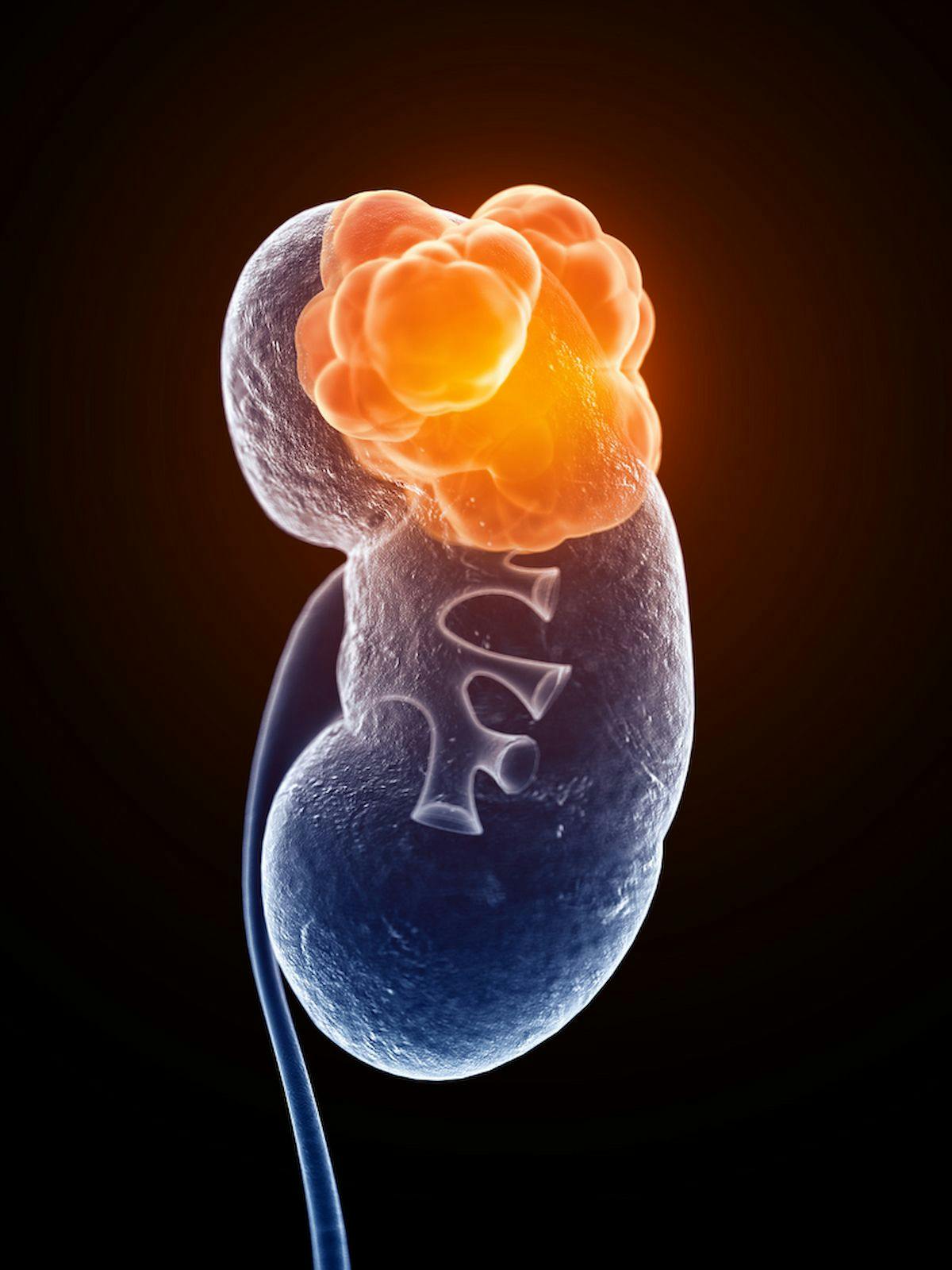
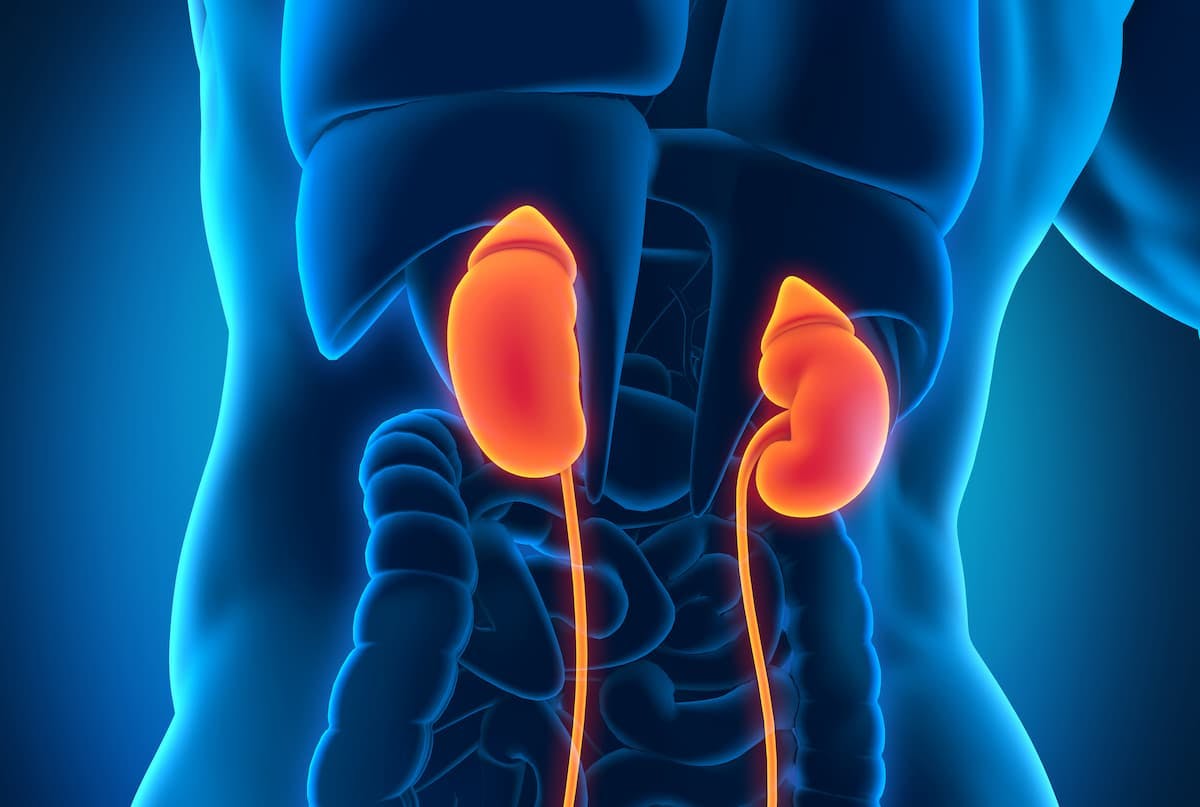
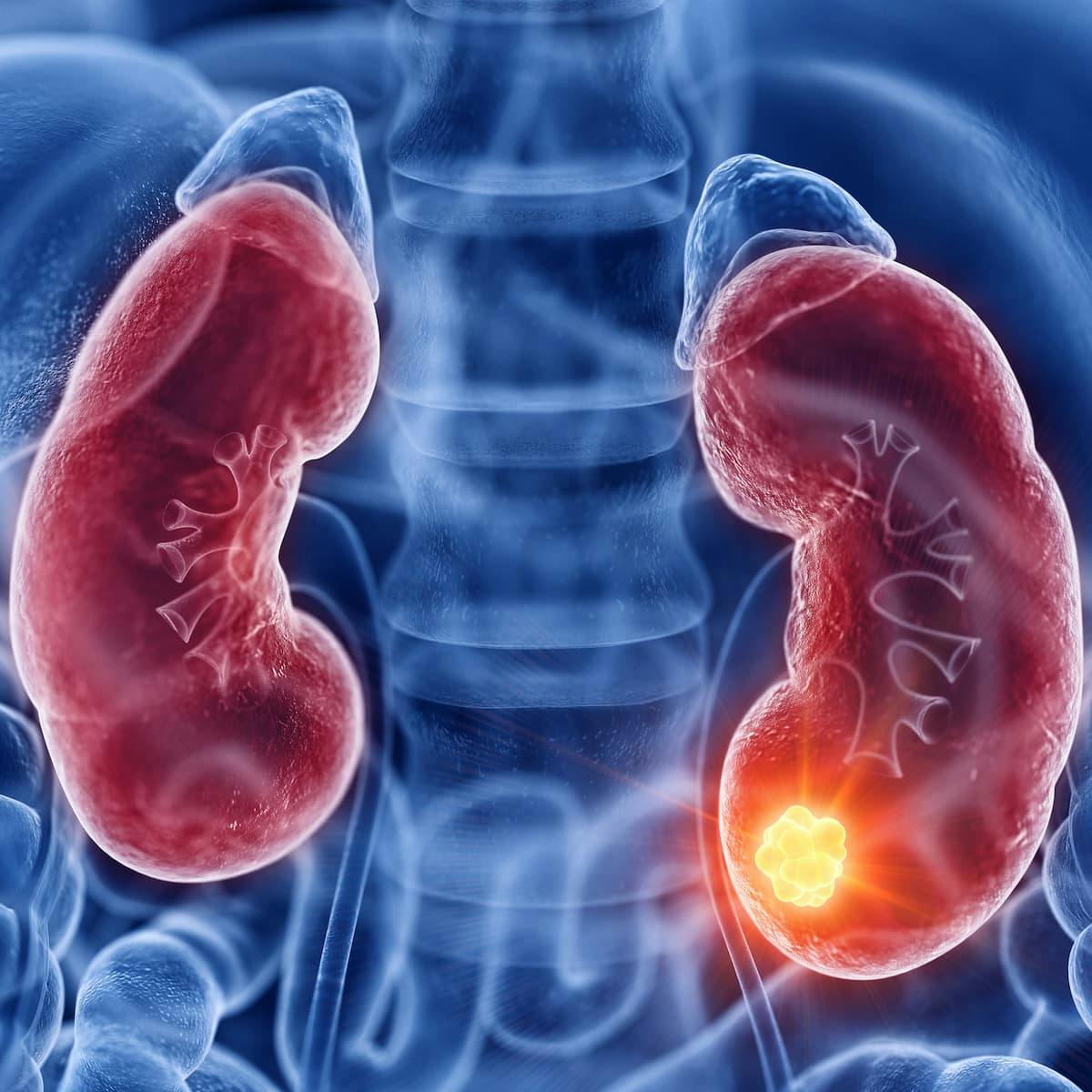
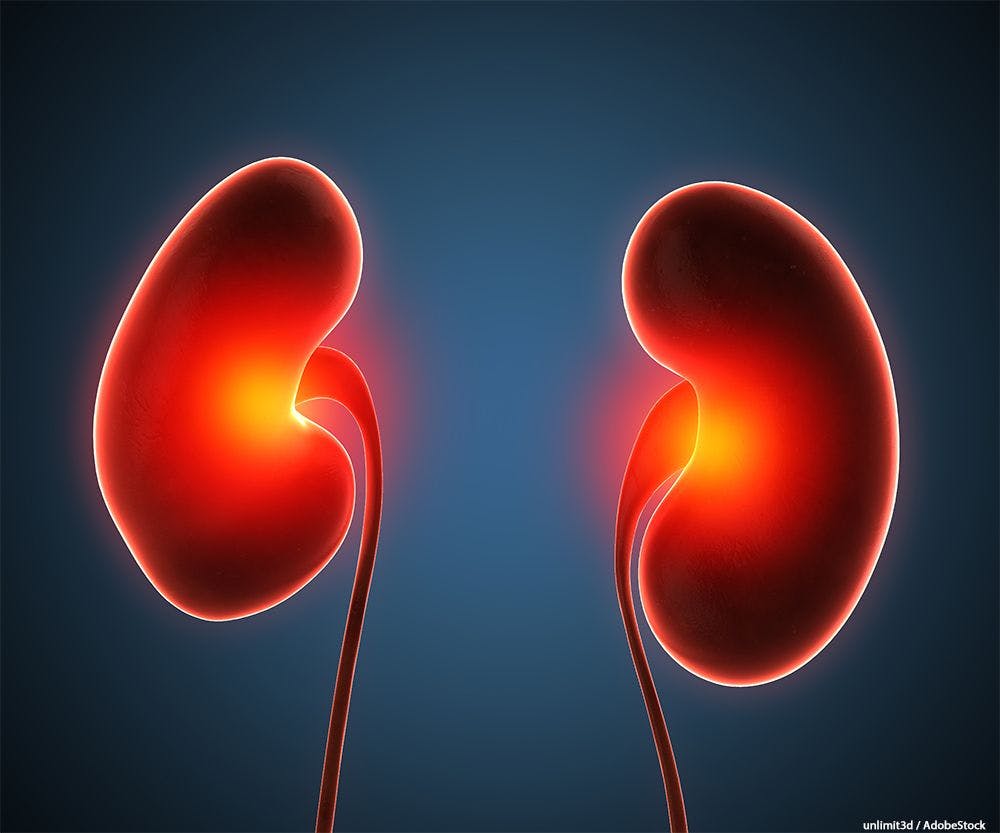
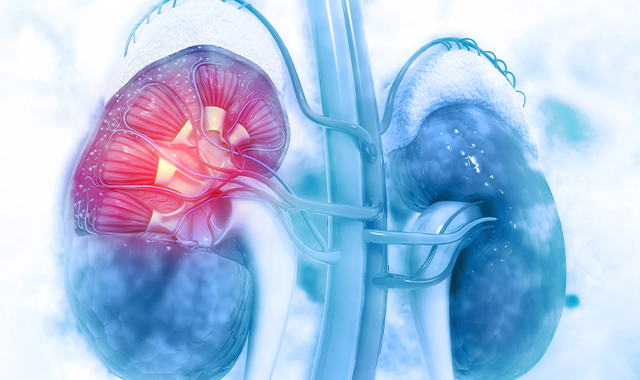
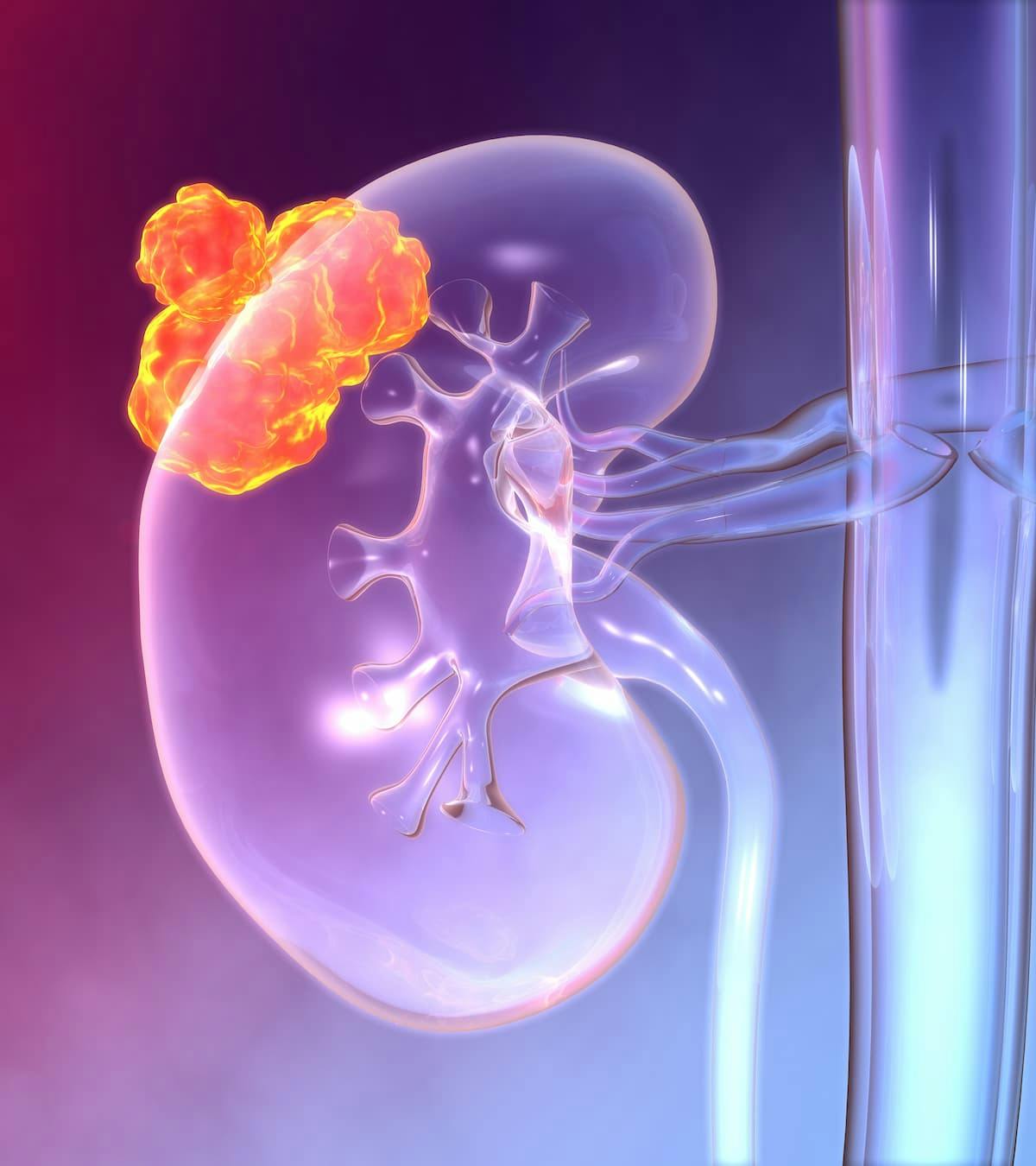
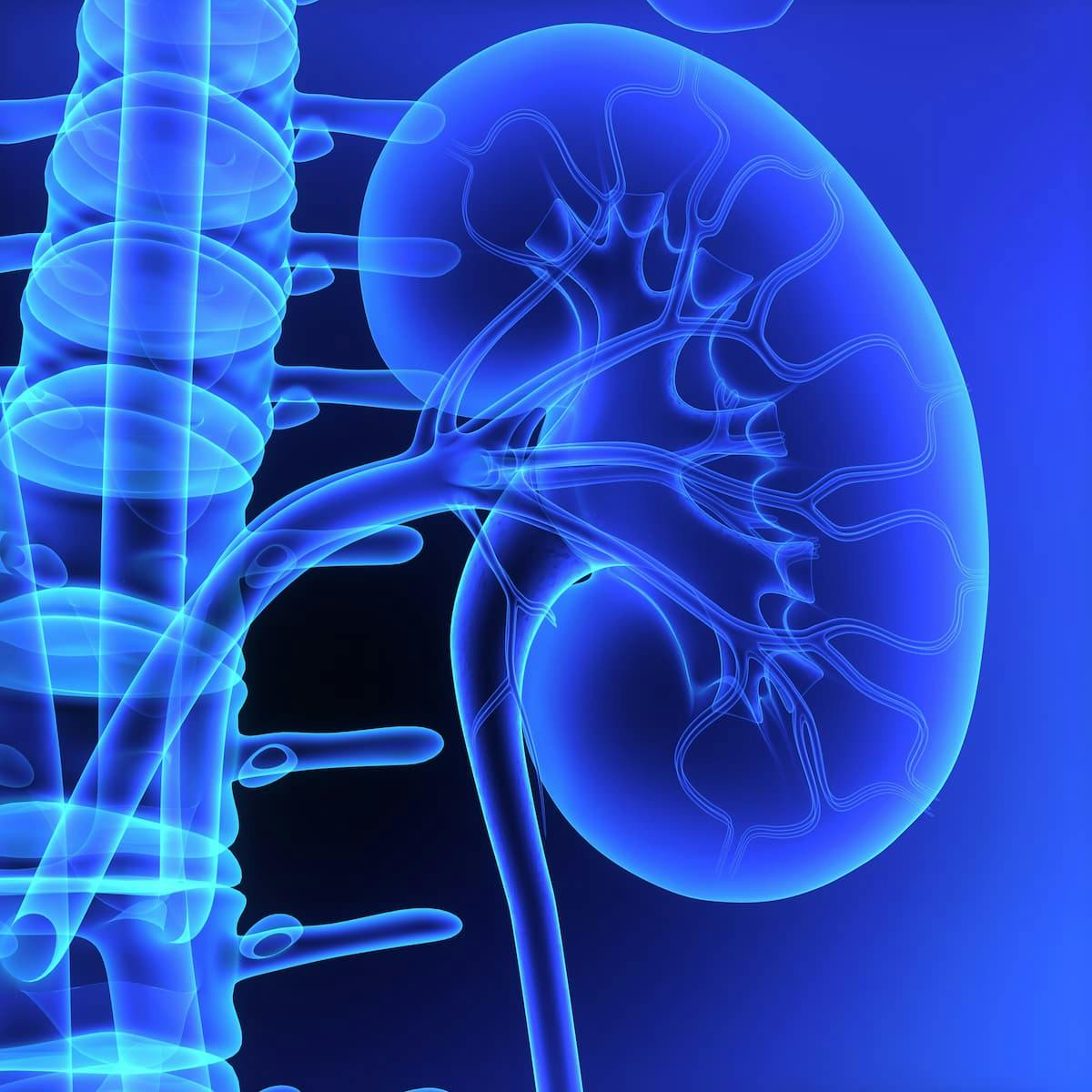
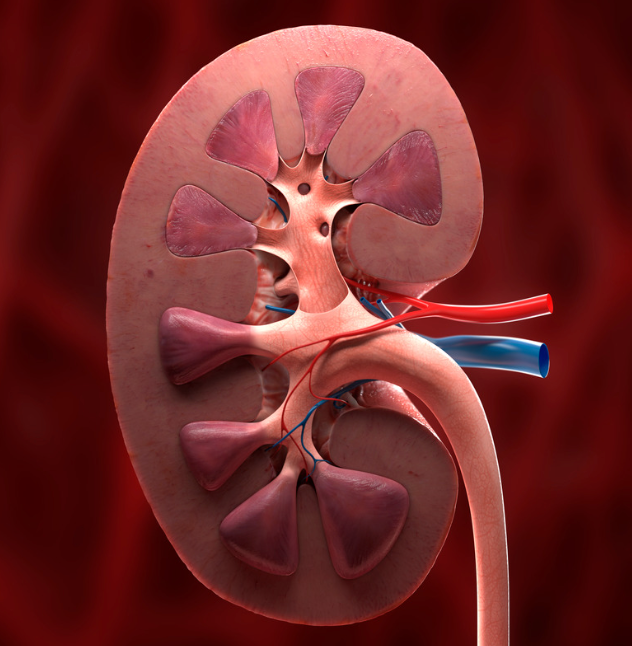
REVIEW ARTICLE Edwin M. Posadas, Robert A. Figlin;ONCOLOGY Vol. 26 No. 3 This article will review the recent advances that form the current framework of therapy for RCC, as well as summarize key areas of progress and innovation in the evolving treatment paradigms for this disease.
SECOND OPINION Elaine T. Lam et al;ONCOLOGY Vol. 25 No. 9 The patient is a 43-year-old man who was initially evaluated at an outside institution for unexplained anemia and who was found to have a large right kidney mass. He underwent a radical nephrectomy for a 19-cm large-cell, poorly differentiated neoplasm.
TEST YOUR IMAGE IQ A mass was found in the left kidney of patient with von Hipple-Lindau Syndrome. You would predict this mass to show which genetic abnormality:
A. Mutation of VHL B. Deletions in chromosome 3 C. Neither A nor B D. Both A and B
TEST YOUR IMAGE IQ Patient's review of systems is negative with the exception of complaints about mild right-sided postero-lateral flank pain. What should be done first:
A. Tell the patient this is a benign cherry angioma and offer electrodesiccation. B. Test for HIV because this lesion could represent bacillary angiomatosis. C. Order a PET scan. D. Perform a urinalysis.
The authors present an interesting case of a very rare renal neoplasm, malignant epithelioid angiomyolipoma (AML), which belongs to a family of mesenchymal tumors known as perivascular epithelioid tumors (PEComas). More »
The patient is a 43-year-old man who was initially evaluated at an outside institution for unexplained anemia and who was found to have a large right kidney mass. He underwent a radical nephrectomy for a 19-cm large-cell,... More »
A retrospective study of metastatic renal cell carcinoma (mRCC) patients published in the journal Cancer found that patients treated with tyrosine kinase inhibitors (TKIs) had better overall survival and less-frequent... More »
My 2002 article provided an overview of the various interleukin-2 (IL-2)–based treatment regimens that had been explored over the preceding two decades More »
In 2010, we have the clinical opportunity to choose among several “targeted” agents when treating patients with metastatic renal cell carcinoma (RCC). More »
Newly developed targeted agents in the management of advanced renal cell carcinoma have given us treatment options in this disease not imagined a decade ago. More »
Renal cell carcinoma represents 3% of all cancer cases but has a significant death rate associated with it: It’s estimated that there will be 60,000 new cases this year and 16,000 deaths from kidney cancer. The risk factors... More »
GlaxoSmithKline has received FDA approval for pazopanib (Votrient) for the treatment of patients with advanced renal cell carcinoma. The FDA’s approval of the angiogenesis inhibitor was based on data from a phase III clinical... More »
The US Food and Drug Administration approved GlaxoSmithKline’s pazopanib (Votrient), the sixth drug to be approved for kidney cancer since 2005. More »
In July 2009, the US Food and Drug Administration (FDA) granted approval for use of the vascular endothelial growth factor (VEGF) inhibitor bevacizumab (Avastin) in combination with interferon alfa for treatment of patients... More »
Avastin (bevacizumab) plus interferon-alfa has been approved for the treatment of metastatic renal cell carcinoma, according to Genentech. Approval was based on phase III data from the AVOREN study, which showed a 67%... More »
Genentech announced that the US Food and Drug Administration (FDA) has approved bevacizumab (Avastin) plus interferon- alfa for people with metastatic renal cell carcinoma, the most common type of kidney cancer. More »
Patients with advanced renal cell carcinoma who were treated with sunitinib malate (Sutent) experienced a median overall survival of more than two years, compared with patients who took interferon-alpha, according to Pfizer. More »
Agennix announced that talactoferrin alfa has been granted Fast Track designation by the FDA for the first-line treatment of renal cell carcinoma (RCC) in combination with sunitinib (Sutent). More »
It is well known that the RAS (renin-angiotensin system) plays a key role in the modulation of many functions in the body. AngII (angiotensin II) acting on AT1R (type 1 AngII receptor) has a central role in mediating most of the actions of the RAS. However, over the past 10years, several studies have presented evidence for the existence of a new arm of the RAS, namely the ACE (angiotensin-converting enzyme) 2/Ang-(1-7) [angiotensin-(1-7)]/Mas axis. Ang-(1-7) can be produced from AngI or AngII via endo- or carboxy-peptidases respectively. ACE2 appears to play a central role in Ang-(1-7) formation. As described for AngII, Ang-(1-7) also has a broad range of effects in different organs and tissues which goes beyond its initially described cardiovascular and renal actions. Those effects are mediated by Mas and can counter-regulate most of the deleterious effects of AngII. The interaction Ang-(1-7)/Mas regulates different signalling pathways, such as PI3K (phosphoinositide 3-kinase)/AKT
Metastatic renal cell cancer is associated with poor long-term survival and has no cure. Traditional clinical endpoints are best supplemented by patient-reported outcomes designed to assess symptoms and function. Normative data was obtained on the National Comprehensive Cancer Network-Functional Assessment of Cancer Therapy-Kidney Symptom Index (NFKSI) to aid in score interpretation and planning of future trials.|General population data were obtained from 2000 respondents, who completed the 19-item NFKSI-19, as well the SF-36 (Short Form 36-item instrument) and the PROMIS-29 (29-item Patient Reported Outcomes Measurement Information System), both general health status measures. Basic demographic and self-reported comorbidity data were also collected.|The sample was 50% female, 85.7% caucasian, with an equal distribution across age bands from 18 years to 75 years and older. Most respondents (62.8%) had more than a high school education and reported an Eastern Cooperative Oncology Group
Kidneycancer is composed of several bio-histological entities. The most frequent type, clear-cell carcinoma, is not homogenous regarding gene mutations or transcriptomic profiles, but the biologic classifications are not yet mature. Therefore, biologically driven strategies of treatment have not yet been developed in the clinical setting. The choice of first-line agent currently depends on the prognostic criteria published by Motzer et al. [J Clin Oncol 1999;17:2530-2540] and recently by Heng et al. [J Clin Oncol 2009;27:5794-5799], with anti-vascular endothelial growth factor (VEGF) therapies for good- or intermediate-prognosis groups and anti-mammalian target of rapamycin (mTOR) for poor-risk patients. In the past years, biological changes leading to resistance to targeted agents have been widely investigated. Discoveries resulted in the development of second-generation VEGF receptor tyrosine kinase inhibitors, characterized by an improved potency and selectivity. Besides,
This study included a cohort of advanced renal cell carcinoma patients treated with sunitinib. Since resistance to sunitinib may be mediated through angiogenic cytokines other than VEGF, we measured the circulating levels of three pro-angiogenic cytokines: basic fibroblast growth factor (bFGF), hepatocyte growth factor (HGF), and interleukin (IL)-6.|Cytokines were measured at baseline and on the first day of each treatment cycle until progression in 85 advanced kidneycancer patients treated with sunitinib using a quantitative sandwich enzyme immunoassay (ELISA) technique.|Even though no statistically significant differences in the titers of the three cytokines were observed between baseline and the time of progression in the whole patient cohort, in 45.3, 46.6, and 37.3% of the patients a more than 50% increase between baseline and the time of progression was shown in circulating IL-6, bFGF, and HGF, respectively. Furthermore, this increase was more than 100% in 37.3, 44, and 30.6%
p21-activated kinase (PAK)7 (also known as PAK5) is a member of the group B PAK family of serine/threonine protein kinases, which are effectors of the small GTPases Rac and CDC42. PAK7 can promote neurite outgrowth, induce microtubule stabilization, and activate cell survival signaling pathways. However, the role of PAK7 in cancer is still poorly understood. Here, we showed that PAK7 expression was upregulated in different gastric cancer cell lines and gastric cancer tissues, as compared with human embryonic kidney 293 cells and adjacent normal tissues, respectively. The results suggested that PAK7 expression was related to gastric cancer progression. Thus, we employed lentivirus-mediated small interfering RNA to inhibit PAK7 expression, to investigate the role of PAK7 in human gastric carcinogenesis. RNA interference efficiently downregulated expression of PAK7 in SGC-7901 and MGC-803 cells at both mRNA and protein levels. Knockdown of PAK7 inhibited human gastric cancer cell
A 48-year-old woman presents with history of hematuria and abdominal pain spanning several days. The patient does not have any previous tumor history. Radiological evaluation revealed the presence of a large mass in the upper pole of the right kidney. Right nephrectomy was performed.
CancerNetwork speaks with Dr. Michael Atkins, who has extensive clinical experience in kidney cancer and development of various new treatments, and is presenting this weekend during the renal cancer translational science session at the American Society of Clinical Oncology 2012 Genitourinary Cancers Symposium.
Five Steps to Improving Patient Access Judy Capko, May 21, 2013 Patient access is getting increased attention through reform initiatives. Here are five steps you can take to make sure patients get appropriate access to care in your office.
Growing HIPAA Threat – Ignore Windows XP at Your Own Peril Marion K. Jenkins, May 21, 2013 Chances are good that you have some major ticking software time bombs lurking in your medical practice's computer environment, namely Windows XP and Server 2003.
Three Areas to Reduce Costs at Your Medical Practice Greg Mertz, May 19, 2013 By taking a hard look at reducing costs for staffing, overhead, and technology at your medical practice, you may see increased physician compensation.
Dos and Don’ts for Starting a Physician Blog Michael Woo-Ming, MD, May 18, 2013 Starting a physician blog can provide your medical practice with marketing benefits, but it's important to do it right.