






Pancreatic Cancer
Latest News
Advertisement
Video Series




Latest Videos





Shorts

1:29
Daraxonrasib’s Approval is for All Comers with Pancreatic Cancer
2 months ago
by
Nicholas James Hornstein, MD, PhD

0:51
Multidisciplinary Care Key to Success in Robotic Whipple Pancreatic Surgery
2 months ago
by
Mohamed Adam, MD

1:50
Why was KRAS Considered “Undruggable” for so Long?
3 months ago
by
Frank McCormick, PhD, FRS, DSc (Hon)

1:10
Practice-Changing Data in Metastatic PDAC: A New Second-Line Standard?
3 months ago
by
Sivraj Muralikrishnan, MD

1:01
Daraxonrasib in 2L PDAC May be the GI Abstract of ASCO 2026
5 months ago
by
Nicholas James Hornstein, MD, PhD

1:12
Who Should Be Selected for Robotic vs Open Pancreaticoduodenectomy?
5 months ago
by
Mohamed Adam, MD

0:57
Life After The Whipple Surgery: Grocery Shopping 7 Days Later
5 months ago
by
Mohamed Adam, MD

1:00
Inching Closer to Taming KRAS in Pancreatic Cancer With New Advancements
6 months ago
by
Asfar Azmi, PhD

0:46
The Adverse Effects of Daraxonrasib in Pretreated mPDAC
6 months ago
by
Diane Simeone, MD

0:57
Denervation Shows Different Pancreatic Tumor Reductions Across Sexes
7 months ago
by
Sebnem Ece Eksi, PhD
Podcasts

























































Advertisement
More News

The FDA granted breakthrough therapy designation to daraxonrasib/chemotherapy for treatment-naive pancreatic adenocarcinoma based on phase 1/2 trial data.

According to Nicholas Hornstein, MD, PhD, daraxonrasib is “the first ever effective systemic therapy" for pancreatic cancer that is not chemotherapy.
The FDA has approved daraxonrasib for patients with previously treated metastatic pancreatic ductal adenocarcinoma based on RASolute 302 trial data.

The FDA granted fast track designation to the pan-RAS molecular glue ERAS-0015 for metastatic pancreatic adenocarcinoma.

A new ASTRO clinical practice guideline expands radiotherapy recommendations across resectable, locally advanced, recurrent, and metastatic pancreatic cancer.
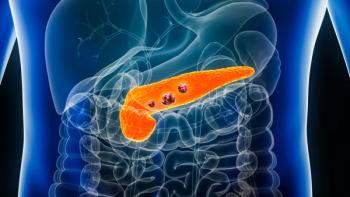
The FDA granted breakthrough therapy designation to olomorasib for previously treated, KRAS G12C-mutant advanced pancreatic cancer.

The FDA has accepted the new drug application for daraxonrasib in metastatic pancreatic ductal adenocarcinoma based on results from the phase 3 RASolute 302 study.

A peptide vaccine targeting KRAS variants was safe and produced durable T-cell responses in individuals with hereditary predisposition for pancreatic ductal adenocarcinoma.

The European Medicines Agency has begun a phased review of daraxonrasib for pancreatic cancer as the FDA nears completion of a rolling new drug application submission.

Catch up on key data in colorectal, pancreatic, and hepatocellular cancers presented at the ESMO Gastrointestinal Cancers Congress 2026.

Updated phase 2a data showed durable survival in a small subset of heavily pretreated patients with advanced pancreatic cancer treated with namodenoson.

INELDA-certified death doula Kim Stravers shares a detailed account of supporting a patient with pancreatic cancer and Lynch syndrome.

Preliminary data from the phase 1/2 TARGET-D 101 trial showed a manageable safety profile for VS-7375 across KRAS G12D–mutated solid tumors.

The phase 2 AMPLIFY-7P trial did not meet its primary DFS end point, though post-hoc analyses identified a benefit in R0-resected patients with mKRAS PDAC.

Daraxonrasib plus vopimetostat demonstrated a favorable RAS-associated safety profile in patients with MTAP-deleted, pretreated metastatic pancreatic ductal adenocarcinoma.
Atebimetinib plus modified gemcitabine/nab-paclitaxel demonstrated an ORR of 36% and median OS of 17.3 months in first-line metastatic pancreatic cancer.

Daraxonrasib yielded a 13.2 month OS vs 6.6 months with chemotherapy for patients with metastatic PDAC.
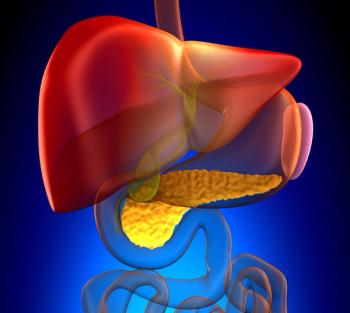
Data from the phase 1/2 RMC-6236-001 trial show that the RAS(ON) multiselective inhibitor daraxonrasib yielded responses in pretreated RAS-mutated PDAC.

Mohamed Adam, MD, discusses switching from open to robotic Whipple procedures and the impending integration of AI-driven navigation in surgical oncology.

Philip Blumenfeld, MD, discussed the feasibility of radium 224 Alpha DaRT sources delivered via endoscopic ultrasound for patients with pancreatic cancer.

The FDA issued a “safe to proceed” letter for an expanded access program for daraxonrasib in metastatic pancreatic ductal adenocarcinoma.
Asfar Azmi, PhD, discusses the tricomplex mechanism of daraxonrasib and its impact on overall survival for patients with pancreatic cancer.

According to Asfar Azmi, PhD, results from the study showed that the PCNA inhibitor AOH1996 was synergistic with KRAS inhibitors of all classes.

Asfar Azmi, PhD, discussed a poster from the AACR Annual Meeting that investigated the NAMPT inhibitor RPT-E-037 and the pan-RAS inhibitor daraxonrasib in pancreatic cancer.

According to Diane Simeone, MD, parallel investments in early screening and novel therapeutics can improve survival rates in pancreatic cancer.
Advertisement
Advertisement
Trending on CancerNetwork
1
The Gynecologic Oncology Data to Watch at ESMO 2026: De-Escalation and ADCs
2
Monitoring Anemia and Optimizing Regimen Selection in Resectable NSCLC
3
The Usefulness of Indocyanine Green in Cytoreductive Ovarian Cancer Surgery
4
Why AI Needs a Human in the Loop for Lung Cancer Screening Decisions
5