



Kidney Cancer
Latest News
Advertisement
Video Series

Latest Videos










Shorts

0:54
Emerging RCC Therapies: Casdatifan & PD-1/VEGF Bispecifics Signal Progress
19 days ago
by
Yu-Wei Chen, MD, MS

1:24
Navigating Adjuvant Immunotherapy Selection in Localized RCC
20 days ago
by
Yu-Wei Chen, MD, MS

0:55
Interpreting Secondary End Points After Early Futility Closure in RCC
a month ago
by
María T. Bourlon, MD, MSc, FASCO

1:21
Adjuvant RCC Standard of Care: OS and QOL Both Needed to Move the Needle
a month ago
by
María T. Bourlon, MD, MSc, FASCO

0:58
Larger Studies Needed to Elucidate Fusion Partner to p16 in tRRC
4 months ago
by
Shikha Gupta, PhD

0:38
Leveraging Neoadjuvant Strategies to Bolster Cure Rates in Kidney Cancer
5 months ago
by
Karie Danielle Keera Runcie, MD

0:49
Cabozantinib Combo Displays Feasibility in Metastatic Kidney Cancer Group
5 months ago
by
Karie Danielle Keera Runcie, MD

1:14
Considering Reduced Dose Immunotherapy for Frail Metastatic ccRCC Groups
6 months ago
by
Sahil D. Doshi, MD
Podcasts





















































Advertisement
More News

María Teresa Bourlon, MD, MSc, MS, discussed key kidney abstracts from the 2026 ASCO Meeting, including the LenCabo trial, the RAMPART trial, and the RADICAL trial.
Health-related quality of life was comparable between belzutifan plus lenvatinib and cabozantinib among those with previously treated renal cell carcinoma.
The FDA declined to approve Orviglance for MRI liver imaging in patients with severe kidney impairment, requesting additional clinical data.

Based on data from the phase 3 LITESPARK-022 trial, the FDA has approved adjuvant belzutifan/pembrolizumab for patients with clear cell RCC.

Saum Ghodoussipour, MD, provided an in-depth analysis of the RAMPART readout, exploring the DFS benefit of a durvalumab/tremelimumab combination in RCC.
Modulation of angiogenic and immune-related pathways in ccRCC might provide rationale for checkpoint- or VEGFR-TKI–based combinations with HC-7366.
A second expansion phase assessing HC-7366/belzutifan in locally advanced/metastatic renal cell carcinoma is ongoing.
Among 78 responders to ADT plus ARPI treatment who underwent a treatment suspension, 57.7% remained treatment free for 18 months.
RAMPART finds durvalumab after kidney cancer surgery cuts recurrence risk but misses DFS significance; combo therapy shines in highest-risk patients.

Grade 3 or higher TRAEs occurred in 14% of patients treated with NDI-101150, including 1 incidence of grade 4 aplastic anemia across all comers in the study.

The simlukafusp alfa–containing triplet displayed a profile comparable to the safety of each individual drug in this RCC population.

Shikha Gupta, PhD, discussed the biology of tRCC and the mechanistic rationale behind combining CDK4/6 inhibition with selective mTORC1 targeting.
Patrick A. Kenney, MD; and David A. Braun, MD, PhD, discussed parameters they use to determine a patient’s eligibility for cytoreductive nephrectomy.
The safety profiles of the pembrolizumab-based combination regimens were consistent with those observed in previously reported studies.

Phase 2 Cyto-KIK findings showed that a subset of patients with high-risk kidney cancer exhibited responses and underwent monitoring post-cabozantinib.
Experts discussed the clinical implications of the LITESPARK-011 trial of belzutifan plus lenvatinib following a presentation of efficacy findings at ASCO GU.

Experts in genitourinary oncology outlined factors to consider when sequencing immunotherapy, tyrosine kinase inhibitors, and other RCC therapies.
Germline platelet polygenic risk score predicted a 37% higher risk of death in patients with renal cell carcinoma, mediated by sustained thrombocytosis.

The addition of SBRT to an immunotherapy doublet did not significantly affect safety outcomes among patients with de novo metastatic RCC.
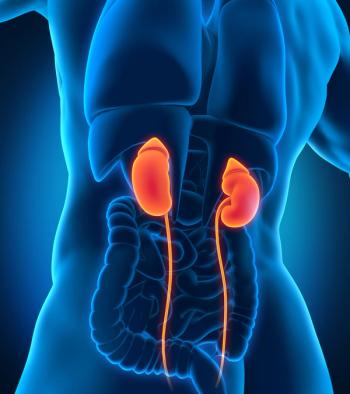
Belzutifan plus adjuvant pembrolizumab conferred a 28% reduction in the risk of disease recurrence or death in those with high-risk ccRCC following nephrectomy.
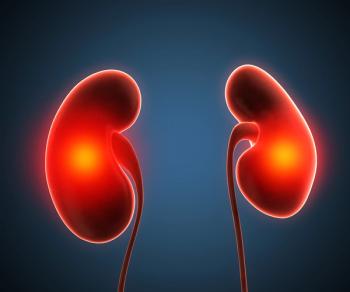
SBRT was considered safe among patients with advanced renal cell carcinoma when added to the immunotherapy combination.
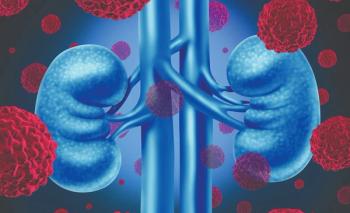
Based on findings from LITESPARK-11, belzutifan/lenvatinib may represent a new option in previously treated renal cell carcinoma.

Despite differences in treatment tolerance across different RCC subgroups, survival outcomes were similar in a retrospective study.
New biomarker data showed a correlation between magnitude and durability of serum erythropoietin suppression by casdatifan for this group.
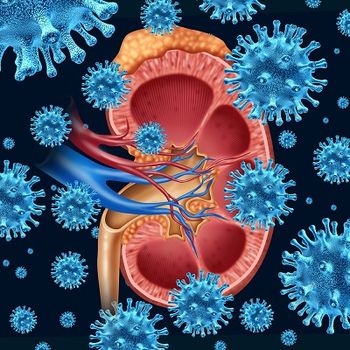
Structured exercise interventions may mitigate TRAE, such as fatigue, but data in metastatic RCC are limited.
Advertisement
Advertisement
Trending on CancerNetwork
1
Signatera ctDNA Test Shows Superior MRD Assessment in Lymphoma
2
Managing Diarrhea and Nutrition on First-Line EGFR Therapy
3
How Is AI Shaping Patient-Centered, Multidisciplinary Oncology Care?
4
Preparing Patients for Bispecific-Antibody Based First-Line Therapy
5