

Among patients with recurrent cervical cancer who received prior immunotherapy, sac-TMT plus pembrolizumab achieved an ORR of 54%.
Among patients with recurrent cervical cancer who received prior immunotherapy, sac-TMT plus pembrolizumab achieved an ORR of 54%.

Combining tisotumab vedotin with carboplatin, pembrolizumab, and optional bevacizumab produces robust responses in first-line recurrent or metastatic cervical cancer.

Roisin E. O’Cearbhaill, MD, discussed the MUC16 × CD28 bispecific antibody REGN5668 in treating patients with recurrent ovarian or endometrial cancer.
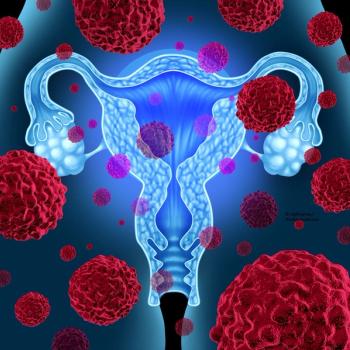
Among all patients with gynecologic malignancies who received a formal radiation cystitis diagnosis, 87.5% received treatment and 56.0% were referred to a urologic specialist.
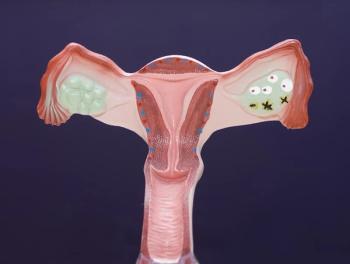
Across both pretreated cervical cancer and PROC populations, no new safety signals and low rates of treatment discontinuation were observed with DB-1311/BNT324.

In the phase 3 NRG-GY019 trial, while letrozole monotherapy was more tolerable, it did not achieve noninferiority compared with chemotherapy and letrozole.
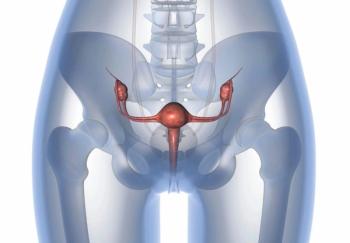
Activity stemming from abemaciclib plus letrozole was most pronounced in chemotherapy-naive patients with advanced endometrioid endometrial carcinoma.

Updated results from the phase 2 RAMP 201 trial show that avutometinib plus defactinib provides durable efficacy and a manageable safety profile in patients with LGSOC.

The SISTER trial was the first national randomized trial to demonstrate significantly improved outcomes for black women with endometrial cancer.

A retrospective review showed an ORR of 42.9% in radiated fields vs 35.7% in non-radiated fields among patients with cervical cancer who received tisotumab vedotin.
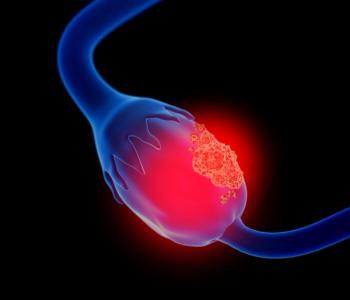
Final overall survival data from the phase 3 ROSELLA trial showed that the addition of relacorilant to nab-paclitaxel extended median survival to 16.0 months in patients with platinum-resistant ovarian cancer.

Findings from the OVARIO study show that patients with HRR–deficient and BRCA-mutated disease benefitted the most from niraparib/bevacizumab maintenance.
Antibody-drug conjugates like Rina-S may be able to salvage some of the responses that are often lost in the later lines of treatment, according to Elizabeth Lee, MD.
“There is, potentially, a role for Rina-S or other novel ADCs targeting different epitopes on the cancer cell surface,” Elizabeth Lee, MD, stated.
Select comorbidities, ECOG status, and the receipt of radiation were among the differences between a real-world cohort and the RUBY trial population.
Factors such as language spoken, social vulnerability index characteristics, and insurance type were found to alter endometrial cancer diagnoses and led to worse outcomes.
Future research may explore predictors of interval debulking surgery success and the scope of required surgery in advanced ovarian cancer.

Certain subpopulations experienced significantly poorer outcomes in 2020, highlighting concerns regarding access to care.

Results from the NIRVANA-R trial found niraparib/bevacizumab maintenance yielded positive activity in pretreated ovarian cancer.

Patients who had recurrence in the radiation field experienced similar responses vs those with recurrence outside the radiation field.
Socioeconomic or racial disparities may contribute to unchanged overall survival among certain patients with metastatic uterine cancer.

Despite all groups completing chemoradiation within 56 days, delays contributed to a nonsignificant difference in length between Black vs White patients.
A phase 2 trial found that pembrolizumab plus lenvatinib elicited an overall response rate of 37.5% that consisted entirely of partial responses in high-grade serous PROC.
Data show deep responses with rinatabart sesutecan among patients regardless of folate receptor alpha expression level in a phase 1/2 study.

The adverse effect profile of abemaciclib plus hormonal therapy was comparable with prior reports of CDK4/6 inhibitors.

The median PFS in patients with pMMR TP53 wild-type endometrial cancer was 39.5 months with selinexor and 4.9 months with placebo.
Results from the OVARIO trial found HRQOL maintained with niraparib/bevacizumab maintenance in patients with advanced ovarian cancer.
Puxitatug samrotecan was well tolerated in patients with advanced or metastatic endometrial cancer.

A slightly higher complete response rate was observed with the metformin regimen vs with the levonorgestrel-releasing IUD alone in endometrial cancer.
Results from the phase 2 DURBAC trial showed BVAC-C/durvalumab improved response in HPV+ cervical cancer.