




Skin Cancer & Melanoma
Latest News
Advertisement
Video Series
Latest Videos



Shorts
0:43
Expanding the Use of TILs in Metastatic Melanoma Care
25 days ago
1:00
A Potential Breakthrough With TILs in Metastatic Melanoma
a month ago
by
Muhammad Umair Mushtaq, MD
0:40
Tebentafusp Doubles Survival Rates in Metastatic Uveal Melanoma
2 months ago
by
Paul Nathan, MBBS, PhD, MCRP

0:58
Reducing Melanoma Toxicity in Adoptive Cell Therapy
2 months ago
by
Jose Lutzky, MD
0:46
Why mRNA Vaccines Change the Melanoma Game
2 months ago
by
Jamin C. Morrison, MD
0:39
Looking Beyond Genomics in Precision Medicine for Cancer Care
8 months ago
Podcasts








































































Advertisement
More News

An OS of 32.9 months was noted with RP1 plus nivolumab for patients who had progressed on prior anti-PD-1 therapy with advanced melanoma.
Statistical significance was not met with either dose level of fianlimab plus cemiplimab compared with the control arm for patients with advanced melanoma.

iSCIB1+ continues to be studied in the SCOPE trial for patients with advanced melanoma.
Key data from the ATLAS-IT-05 study showed the activity of the oncolytic peptide ruxotemitide plus pembrolizumab in refractory metastatic melanoma.
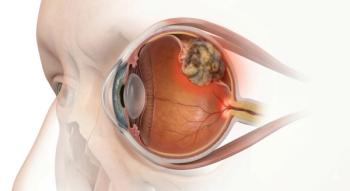
The 5-year OS rate was 16% and 8% in the tebentafusp and control arms, respectively, for patients with HLA-A*02:01–positive uveal melanoma.
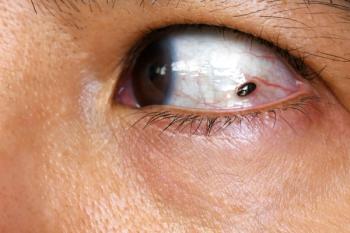
PFS showed statistically significant improvement with darovasertib plus crizotinib in the first line for patients with HLA-A*A2:01–negative metastatic uveal melanoma.
The FDA cited that the data provided for RP1 were insufficient and did not provide substantial evidence of effectiveness for this population.
The SkinJect data set found an overall response rate of approximately 80% for patients with nodular basal cell carcinoma receiving 200 µg of doxorubicin microneedle array.

DecisionDx-Melanoma’s i31-SLNB accurately predicted low nodal positivity and high recurrence-free survival in patients with cutaneous melanoma.
SkinCure Oncology filed a federal lawsuit against CMS and HHS to challenge the elimination of reimbursement for image-guided radiation therapy for nonmelanoma skin cancer.

A clinical clearance rate of 73% was noted among patients with basal cell carcinoma receiving 200 ug of doxorubicin microneedle array.

Explore the latest clinical data and therapeutic strategies for acral, mucosal, and uveal melanomas from Mark B. Faries, MD, FACS.
James Larkin, MD, PhD, highlighted toxicities associated with immune checkpoint inhibitors in melanoma at a recent Physicians Education Resource meeting.
Omid Hamid, MD, presented at the 22nd Annual International Symposium on Melanoma and Other Cutaneous Malignancies on the evolving landscape of perioperative immunotherapy and targeted therapy.
Researchers analyzed postoperative complications and survival outcomes in patients with melanoma who underwent therapeutic lymph node dissection.
Aminolevulinic acid plus red lamp therapy was given an sNDA by the FDA for the treatment of superficial basal cell carcinoma.

Nivolumab improved 9-year recurrence-free survival compared with ipilimumab for resected stage III or IV melanoma in the phase 3 CheckMate 238 trial.
IFx-2.0 showed a clinical benefit in an early phase 1 trial and has now been given orphan drug designation by the FDA for patients with stage IIB to IV cutaneous melanoma.
Intensive surveillance and surgical resection for hepatic metastases from uveal melanoma improved long-term remission in a retrospective study.

Pembrolizumab administered before surgery in patients with desmoplastic melanoma led to high pathologic complete response rates in the SWOG S1512 trial.
A phase 3 trial of iSCIB1+, a novel cancer vaccine, assessing patients with advanced melanoma has been cleared by the FDA.
Updated data from the 5-year analysis of KEYNOTE-942 of mRNA-4157/pembrolizumab in high-risk melanoma showed a maintained benefit.
Investigators are currently assessing treatment with Alpha DaRT among those with recurrent CSCC as part of the ReSTART trial.
Sorafenib improved the median progression-free survival compared with placebo among patients with metastatic uveal melanoma in the STREAM study.
Updated results from the phase 1 CK-301-101 trial support the updated label for cosibelimab in this cutaneous squamous cell carcinoma population.
Advertisement
Advertisement
Trending on CancerNetwork
1
Radiation Oncology Trials You May Have Missed at ASCO 2026
2
Durvalumab Shows Similar Outcomes Across NSCLC PD-L1 Expression Groups
3
Navigating the RCC Adjuvant Landscape: Examining the Phase 3 RAMPART Trial
4
Menin Inhibition Shows Utility in Heterogenous AML Population
5