Breast Cancer
Latest News


April 23rd 2024
Further research may validate identified biomarkers and refine patient selection criteria for pembrolizumab therapy in breast cancer.










Equalizing Inequities™ in Multiple Myeloma Care: Shining a Light on Current Barriers and Opportunities for Improved Outcomes
View More

Community Practice Connections™: What’s Next for Patients with Breast Cancer, and How Can We Effectively Optimize PARP-, HER2/3-, and TROP2-Targeted Regimens in Treatment Plans?
View More

Patient, Provider and Caregiver Connection™: Addressing Patient Concerns During the Treatment and Management of HR+/HER2- Breast Cancer
View More
Oncology Consultations®: Next Generation SERDs—Key Data and Practical Takeaways for the Community Physician
View More
Medical Crossfire®: Leveraging Multidisciplinary Teams in Early–Stage Breast Cancer When the Goal is Cure
View More
Multidisciplinary Management of TNBC: Immunotherapy, PARP, TROP2, Oh My!
View More
23rd Annual International Congress on the Future of Breast Cancer® East
July 19-20, 2024
Register Now!
Community Practice Connections™: 14th Annual International Symposium on Ovarian Cancer and Other Gynecologic Malignancies
View More
Community Practice Connections™: The Advent of TROP2-Targeted Treatment Approaches in HR+/HER2- Breast Cancer
View More

Show Me the Data™: Do We Have Sea Change for Novel Approaches in HR+/HER2- Breast Cancer? CDK, PI3K/AKT, ADC, and Next-Gen SERD Strategies Assessed
View More

Community Practice Connections™: Controversies and Conversations About HER2- Expressing Breast Cancer…Advances in Management of HER2-Low to -Positive Disease
View More

Cancer Summaries and Commentaries™: Clinical Updates from Chicago in Breast Cancer
View More
42nd Annual CFS®: Innovative Cancer Therapy for Tomorrow®
November 13-15, 2024
Register Now!
Community Oncology Connections™: Overcoming Barriers to Testing, Trial Access, and Equitable Care in Cancer
View More

42nd Annual Miami Breast Cancer Conference®
March 6 - 9, 2025
Register Now!

The Evolving Tool Box in Advanced HR+/HER2– Breast Cancer: What You Need to Know About Next-Generation SERDs, PI3K/AKT, ADCs, CDK4/6 and Beyond…
View More
Community Practice Connections™: 5th Annual Precision Medicine Symposium – An Illustrated Tumor Board
View More
More News




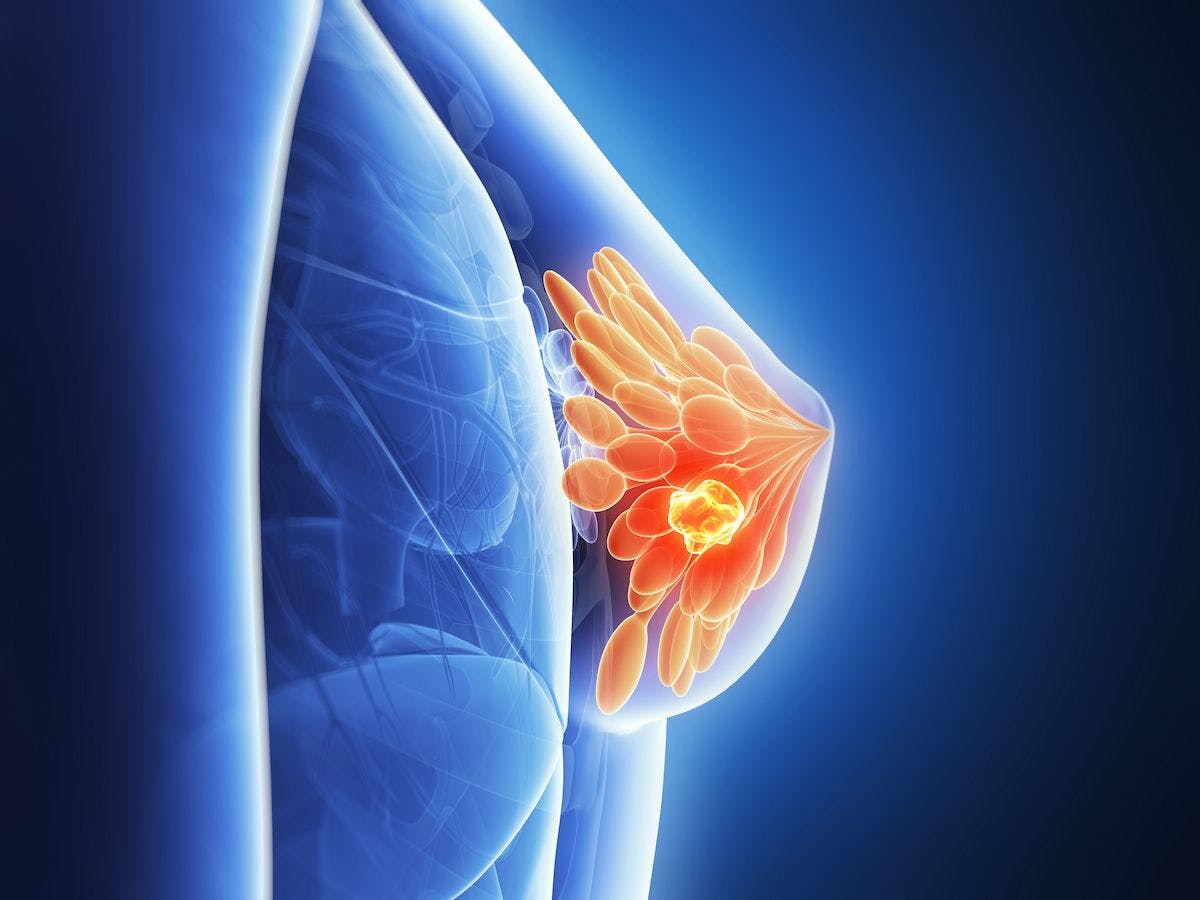
Enobosarm Shows Activity, Tolerability in ER+/HER2– Advanced Breast Cancer
March 8th 2024Findings from a phase 2 trial support the premise that activating the androgen receptor may elicit antitumor effects in patients with androgen receptor–positive, estrogen receptor–positive, HER2-negative breast cancer.


BRIDGET: Preventing Secondary Brain Metastases in Advanced HER2+ Breast Cancer
February 16th 2024Carey Anders, MD, offers insights into the BRIDGET trial, a study investigating the role of tucatinib in the prevention of secondary brain metastases in patients with advanced HER2-positive breast cancer.

Treatment Considerations and AE Management Strategies with HER2-Directed Therapies
February 16th 2024Heather Moore, CPP, PharmD, presents a comprehensive summary of targeted therapies for HER2-positive breast cancer and provides expert insights into the management of adverse effects associated with these treatments.

