

Pope Leo XIV’s lung adenocarcinoma diagnosis may increase awareness and combat stigma surrounding lung cancer screening.
Pope Leo XIV’s lung adenocarcinoma diagnosis may increase awareness and combat stigma surrounding lung cancer screening.
Helena A. Yu, MD, discusses the background of REZILIENT3 and her key takeaways on zipalertinib in EGFR exon 20-mutated NSCLC.
Intismeran autogene plus pembrolizumab cut the risk of recurrence or death by 42% vs pembrolizumab alone in resected stage IIB-IV melanoma.
Oana Danciu, MD, explained why phase 1 breast cancer trials are moving earlier in the treatment course and how disease stability guides patient selection.

The FDA based its approval of pembrolizumab on findings from the phase 2 KEYNOTE-158 trial.

Matthew J. Frigault, MD, and Adam D. Cohen, MD, discuss guidelines, 5-year data, sequencing, and referral practice for cellular therapy in multiple myeloma.

ESMO Congress 2026 will feature updated findings on KRAS inhibitors, bispecific T-cell engagers, and other key modalities in the lung cancer field.

The acoustic coupling fluid is under substantive FDA review after a pivotal study of 44 patients reported improved ultrasound image quality during glioma surgery.
In the phase 2 TRUCE-04 trial, disitamab vedotin/tislelizumab produced a 73.1% complete response rate in high-risk, ERBB2-positive NMIBC.

Adults in the US with previously treated locally advanced or metastatic NSCLC harboring EGFR exon 20 insertion mutations can now access sunvozertinib.

“What has changed is that we are bringing the phase 1 trials earlier in the course of treatment for our patients,” said Oana Danciu, MD.
Experts preview 6 breast cancer trials to watch at ESMO 2026, including KEYNOTE-B49, evERA, DESTINY-Breast11, SWITCH, PANKU-Breast01, and VIKTORIA-1.

An expert highlights OrigAMI-4, iza-bren plus pembrolizumab, GORTEC IDEAL, and HexAgon-HN ahead of the ESMO Congress 2026.

Lisa Carter-Bawa, PhD, APRN, discusses policy barriers, arts-based outreach, AI, and stigma in lung cancer screening.
Experts highlight updated findings from CARTITUDE-2, how to mitigate late toxicities, and other key considerations in the modern multiple myeloma landscape.

Immune checkpoint inhibitors have reshaped treatment for extensive-stage small cell lung cancer, though their role in limited-stage disease remains uncertain.

Cosibelimab is now a preferred, category 2A NCCN option for locally advanced CSCC when curative surgery or radiation is not feasible.

Sofetabart mipitecan produced responses in heavily pretreated high-grade ovarian cancer regardless of folate receptor α expression or prior mirvetuximab soravtansine.
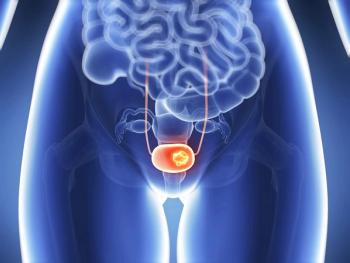
The European Commission approved the pembrolizumab-based regimen for resectable MIBC regardless of cisplatin eligibility based on the KEYNOTE-B15 data.
Training AI on data without good representation of underserved populations may unintentionally widen disparities in lung cancer care.

At the BIG10 CRC Summit, Mingjia Li, MD, outlined how pre-operative hemoglobin may signal treatment response in resectable NSCLC.

Experts highlight KEYNOTE-C93, TroFuse-005, and antibody-drug conjugate data in platinum-resistant ovarian cancer at the ESMO Congress 2026.
Nikolai Strusberg, MD, discussed other toxicities of proton vs photon breast RT, practice implications, and next steps in capsular contracture research.

Indocyanine green may be highly sensitive in the identification of ovarian cancer metastases, though with low specificity.
The therapeutic cancer vaccine OSE2101 combined with either docetaxel or nivolumab met the primary end point of 1-year overall survival in the Combi-TED trial.
In a phase 1 trial, CD19/CD20/CD22 CAR T cells produced complete responses in 83% of patients with relapsed/refractory B-cell non-Hodgkin lymphoma.
Nikolai Strusberg, MD, explained the clinical hypothyroidism endpoint and how thyroid dose should guide proton vs photon choice in breast cancer.
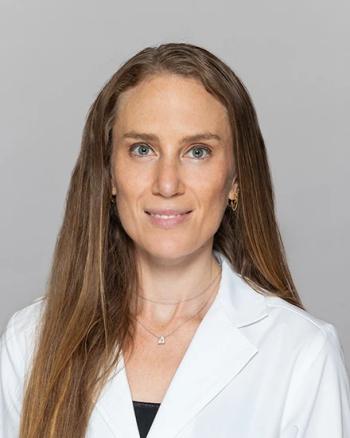
Leah Katz, MD, MPH, discusses IDEA, TARGIT-B, NeoORB, and other breast radiation data from ASTRO 2026, and why patient selection is the unifying theme.
Frederick Howard, MD, explored the evolving intersection of artificial intelligence (AI), computational pathology, and precision breast oncology.
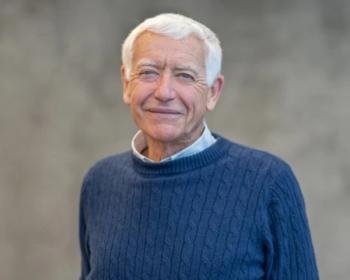
“Vitamin C is a powerful epigenetic drug, which is not generally realized,” said Peter A. Jones, PhD, DSc (hon).