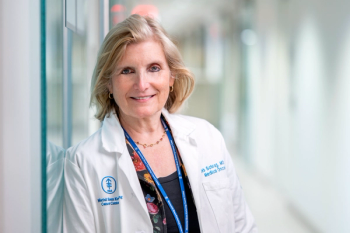
Deb Schrag, MD, MPH, discusses her journey into GI oncology, the development of patient-reported outcome systems, and her vision for the upcoming ASCO presidency.

Your AI-Trained Oncology Knowledge Connection!
Deb Schrag, MD, MPH, discusses her journey into GI oncology, the development of patient-reported outcome systems, and her vision for the upcoming ASCO presidency.
According to Jean L. Wright, MD, FASTRO, the flow of new information and research pertaining to ductal carcinoma in situ is constant.

The implementation of AI into radiomics may help predict the likelihood of response to therapies among patients undergoing breast cancer treatment.
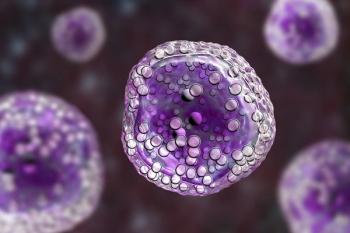
From key clinical trial updates to reports on treatment disparities, the 2026 Tandem Meetings saw several critical developments in multiple myeloma.

CAR T-cell therapies displayed strong efficacy and manageable safety across lymphoma populations at the 2026 Tandem Meetings.
Theranostics, a technique that combines traditional medication with diagnostics, is “limitless”, according to Brandon Mancini, MD, MBA, FACRO.

Older age appeared to correlate with worse survival among those undergoing allogenic hematopoietic cell transplantation for acute lymphoblastic leukemia.

Kathie-Ann Joseph, MD, MPH, FACS, described the clinical criteria for nipple-sparing mastectomies and oncoplastic surgery, focusing on tumor-to-nipple distance and oncologic safety for breast cancer patients.

Based on the prevalence of GLP-1 agonists employed in standard medical practice, Li’s team will assess their impact on radiotherapy for prostate cancer.
Loaiza-Bonilla anticipates that AI-assisted EKG models could be cleared for use in risk stratification for receipt of surgery or drug use.
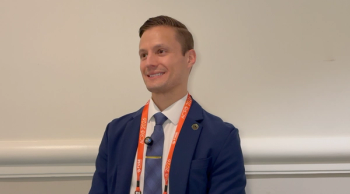
Theranostics is an escalating field within radiation oncology and clinicians should be utilizing it every day, according to Brandon Mancini, MD, MBA, FACRO.
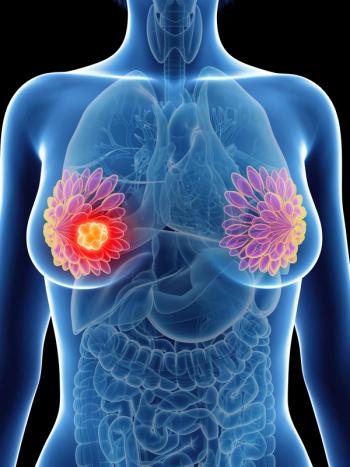
J. Isabelle Choi, MD, outlined evidence-based strategies for radiation dose escalation in locoregionally advanced breast cancer.
No serious adverse effects were observed with TRX103 in patients with hematologic malignancies undergoing HLA-mismatched HCT.

Prior phase 1 data support the fast track designation for pelareorep as a treatment for those with KRAS-mutated microsatellite stable colorectal cancer.

Ifeoma Dikeocha, PhD, discussed how metabolic restriction and fasting-mimicking diets can help optimize chemotherapy outcomes in breast cancer.
Over the past 10 years, more barriers have become apparent in the process of getting insurance companies to approve cancer treatments, according to Loretta Nastoupil, MD.

Global analysis data reveal that lung, stomach, and cervical cancers represent approximately half of preventable cancers.
Of 78 patients with NMIBC in the phase 2 clinical trial, 64.4% experienced a complete response with TLD-1433.
Research may support the development of more comprehensive risk-stratification models accounting for different tumor-intrinsic factors.

Findings from a phase 2 study demonstrate the feasibility of conducting genomically driven trials among patients with meningiomas.
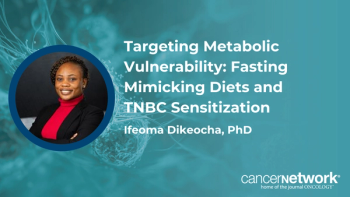
Ifeoma Dikeocha, PhD candidate, explains why triple-negative breast cancer is uniquely sensitive to fasting mimicking diets.
Deb Schrag, MD, MPH, will assume the role as ASCO president in 2027, and hopes to continue the work of transcending global, political, and geographic barriers in oncology.
Although institutional cancer centers boast large amounts of resources, community centers do not always have the resources to initiate clinical trials, according to Loretta Nastoupil, MD.
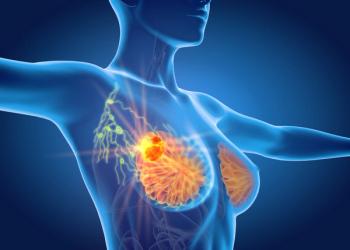
A PDUFA date in the second quarter of 2026 has been set for Dato-DXd in patients with unresectable or metastatic TNBC.
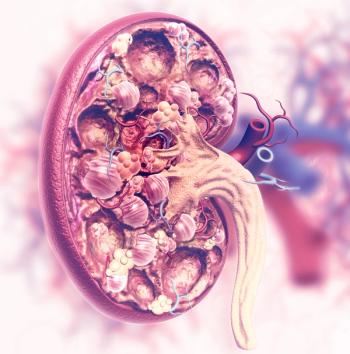
A phase 1/2 trial will evaluate N17350 in patients with pretreated, advanced solid tumors, such as head and neck neoplasms, NSCLC, and melanoma, among others.

Phase 1 QUILT-3.002 data showed that combining an IL-15 superagonist with rituximab achieved a 78% CR rate in those with rituximab-refractory disease.
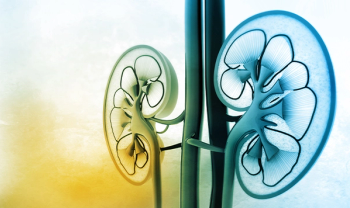
No differences in complication rate were observed between the MIXREAL and control groups among those treated for kidney cancer in the REALITATEM trial.

Infusing chemoimmunotherapy earlier in the day also correlated with improvements in responses among patients with NSCLC in a phase 3 trial.

A biologics license application is planned to be sent to the FDA for OST-HER2 in recurrent, fully resected, pulmonary metastatic osteosarcoma.
Potential FDA approval of teclistamab plus daratumumab may offer another option in the multiple myeloma armamentarium, said Surbhi Sidana, MD.