
Opinion|Videos|February 6, 2026
Barriers to CAR T-Cell Referral and Center Access in Multiple Myeloma
Panelists discuss how early referral drop-off is driven by awareness gaps, outdated perceptions of when CAR T should be used, travel/caregiver burdens, and process complexity—and which barriers are most addressable.
Advertisement
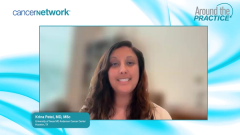
This segment examines why many patients with relapsed or refractory multiple myeloma fail to reach authorized CAR T-cell treatment centers despite being eligible. Dr. Kaur explains that the most common barriers occur early in the referral pathway and include lack of awareness among community clinicians about modern CAR T indications, misconceptions that CAR T should be reserved only for late lines, and concerns about toxicity that no longer reflect current practice. Geographic distance and travel burden are significant obstacles, as many patients would need to commute more than one to two hours to reach a certified center. Patients may also hesitate to shift care away from local oncologists they trust. Additional challenges include caregiver requirements, insurance delays, housing costs, and the perceived complexity of the CAR T process. The most addressable issues involve education for clinicians and patients, early referral, streamlined communication between community and academic centers, and support systems that assist with logistics and coordination.
Advertisement
Related to this article
Peter Forsyth, MD, discusses a first-in-human trial of intrathecal dendritic cell therapy for leptomeningeal disease from breast cancer.
Adding radiotherapy to tislelizumab and chemotherapy also appeared to prolong progression-free survival in a real-world setting.
![“[E]ven if patients relapse following an allogeneic transplant, donor lymphocyte infusions can be incredibly helpful,” said Mary Jo Lechowicz, MD.](https://cdn.sanity.io/images/0vv8moc6/cancernetwork/06df696db42b151710c58727b1333ee098de6453-1200x800.jpg?w=350&fit=crop&auto=format)
“[E]ven if patients relapse following an allogeneic transplant, donor lymphocyte infusions can be incredibly helpful,” said Mary Jo Lechowicz, MD.

The Community Oncology Alliance is urging CMS and Congress to address Medicare Part B drug negotiation policies that threaten independent cancer practices and patient access.

In a phase 1 trial, the MVA-vectored neoantigen vaccine TG4050 produced no dose-limiting toxicities or relapses in those with resected HPV-negative HNSCC.
At SOHO 2026, experts highlighted new findings and advances across diseases including lymphoma, myelodysplastic syndrome, and leukemia.

Poster sessions at WCLC 2026 detail how surgery, nursing, and pathology can contribute to the multidisciplinary care of patients with lung cancer.
A positive CHMP opinion supports the perioperative use of pembrolizumab plus enfortumab vedotin in resectable MIBC regardless of cisplatin eligibility.
Advertisement
Advertisement
Trending on CancerNetwork
1
CELMoDs After T-Cell–Engaging Therapy in Multiple Myeloma
2
Key Takeaways for Multidisciplinary Lung Cancer Care From WCLC 2026
3
Neoantigen Vaccine Shows Encouraging Activity in Head and Neck Cancer
4
What Were the Key Hematologic Oncology Takeaways from SOHO 2026?
5