

Opinion|Videos|February 13, 2026
Addressing Financial and Insurance Barriers to CAR T-Cell Therapy in Multiple Myeloma
Panelists discuss how early financial navigation and proactive payer coordination can mitigate insurance delays and out-of-pocket burdens that commonly derail CAR T access.
Advertisement

This segment discusses how financial hurdles and insurance authorization delays can slow or derail access to CAR T-cell therapy for patients with multiple myeloma. Dr. Kaur explains that insurance approval for apheresis and manufacturing can take two to four weeks, creating significant lost time for patients with aggressive disease. Early introduction of support systems is critical. Dedicated financial counselors, social workers, and nurse navigators can guide patients through insurance requirements, coordinate documentation, and communicate with payors to reduce delays. Some manufacturers offer programs that cover the cost of apheresis before insurance authorization, helping initiate the process sooner. Housing assistance, caregiver support programs, and grants from nonprofit organizations can offset expenses related to required proximity to treatment centers. Ensuring these resources are engaged at the time of initial consult helps patients understand expectations, reduces anxiety about financial burden, and improves the likelihood that they will complete the referral pathway and receive CAR T-cell therapy.
Advertisement
Related to this article

“When we give the most effective therapy at the time of new diagnosis, we get the most value out of the effort and time that we and our patients are spending,” said Neeraj Agarwal, MD, FASCO.

An aglatimagene besadenovec-based radiotherapy combination increased intratumoral lymphocyte fraction in intermediate- to high-risk localized prostate cancer.

The ROADS investigators reported no differences between cesium-131 tile-based radiation therapy and SRT in quality of life, functional status, or neurocognitive function.
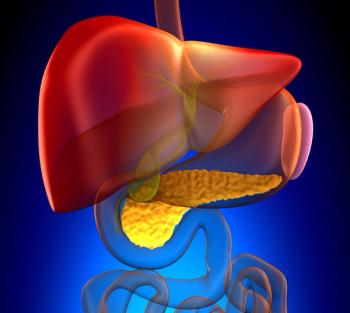
William A. Hall, MD, discussed the SOFT Preop study of preoperative SBRT vs conventional chemoradiation for pancreatic adenocarcinoma.
Chih-Yi “Andy” Liao, MD, discusses how oncologists are sequencing pemigatinib, futibatinib, and lirafugratinib and how their tolerability differs.

“It should be protocol that 100% of your patients with metastatic prostate cancer get germline testing. Full stop. No exceptions,” said Neal D. Shore, MD, FACS.
Chih-Yi “Andy” Liao, MD, discusses the FDA approval of lirafugratinib and what the field has learned about resistance to FGFR2 inhibitors.

In the phase 3 NRG-CC009 trial, SRS led to longer overall survival vs HA-WBRT plus memantine with similar neurocognitive failure in SCLC brain metastases.
Advertisement
Advertisement
Trending on CancerNetwork
1
BCMA/GPRC5D CAR T-Cell Therapy Shows Early Efficacy in R/R Multiple Myeloma
2
Aglatimagene Combo Shows Sustained Immune Remodeling in Prostate Cancer
3
What Does TALAPRO-3 Mean for Frontline Treatment of HRR-Altered mHSPC?
4
SBRT Matches Chemoradiation, Preserves QOL Before Pancreatic Surgery
5