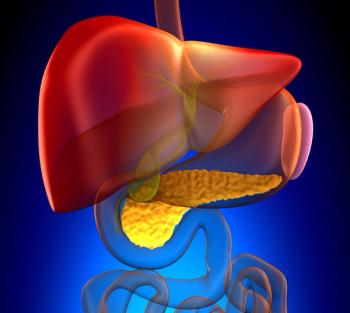
Ethan B. Ludmir, MD, explains why advanced radiation techniques like protons fit nonoperative cholangiocarcinoma better than the preoperative setting.
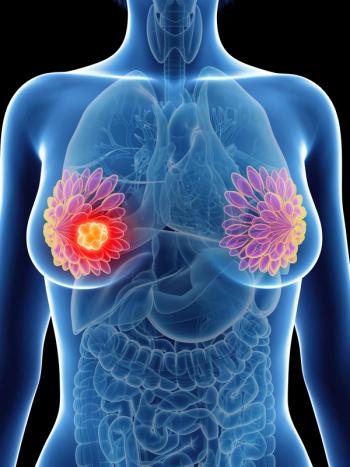
Fumiko Chino, MD, FASCO, discussed the psychological "free fall" patients may experience after completion of radiation therapy for breast cancer.
For many patients with cancer, the end of daily radiation therapy is a celebrated milestone. But for others, it can be daunting. The shift from high-touch clinical surveillance to the quiet of survivorship can often feel less like a victory lap and more like "fall[ing] off a cliff."
During the
I treat breast cancer, and I treat a lot of young women with breast cancer who are still working. I can’t tell you how many of them have told me that when they finished their radiation, they felt like they fell off a cliff, whereas they didn’t want to be there every day for the radiation, but they at least felt like they were doing something every day. They got to see someone. They felt like they were actively fighting cancer. Then, they transition into survivorship, and it’s like nothing. They’re just in free fall. Number one is expectation management, making sure that we’re giving good education and discharge instructions, what to look out for, and when to call us; just simple, home-based things. Some of it is also just making sure that they have all the tools that are going to help them thrive in survivorship. That could be, again, a survivorship group. It could be the AYA center I work at. At MD Anderson, we have an AYA cancer focus. It could be thinking about some people who are going to need a shorter follow up and other people who are going to do better in the long term. But then [we must] tell every single person, “If you’re having a problem, I want to hear about it.”