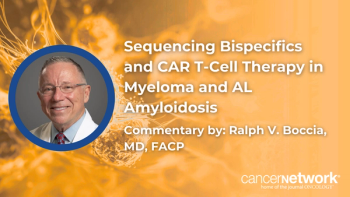
Ralph V. Boccia, MD, FACP, discusses CAR T and bispecific sequencing, fixed-duration therapy, MRD, and bispecifics in AL amyloidosis.
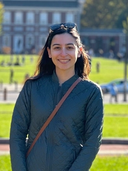
Ariana Pelosci, managing editor for CancerNetwork® and the journal ONCOLOGY®, has been with the team since June 2021. She specializes in both web and print, and runs the social media accounts for CancerNetwork®.
She graduated from the University of Delaware, where she studied Media Communications and minored in journalism and marketing. At heart, she is a Jersey girl, and you can always find her down the shore during her free time.
Ariana loves to read, specifically historical or contemporary fiction. Follow Ariana on Twitter @APelosci or email her at apelosci@mjhlifesciences.com.
Ralph V. Boccia, MD, FACP, discusses CAR T and bispecific sequencing, fixed-duration therapy, MRD, and bispecifics in AL amyloidosis.
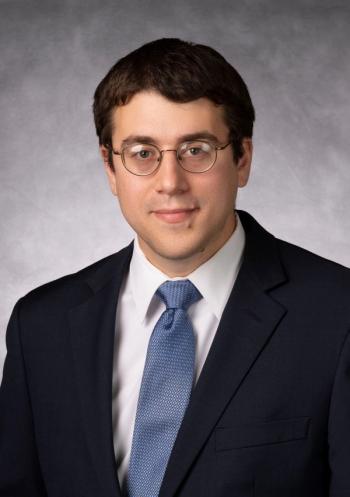
Ethan B. Ludmir, MD, discussed neoadjuvant radiation, advanced treatment techniques, the HYPERION CCA trial, and lirafugratinib in cholangiocarcinoma.
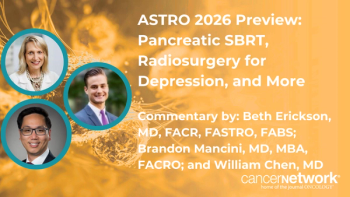
Experts preview ASTRO 2026 presentations to watch, including those on SOFT Preop, PSMAgRT, radiosurgery for depression, and AI tools for patient safety.

Beth Erickson, MD, FACR, FASTRO, FABS, discussed pioneering MRI-guided brachytherapy at MCW and her priorities as incoming ASTRO president-elect.

Based on updated data from the TRUST-1 trial, a sNDA for taletrectinib has been approved by the FDA for patients with TKI-naive ROS1+ NSCLC.
Lutetium Lu 177 dotatate injection has been approved by the FDA for patients with somatostatin receptor-positive GEP-NETs.
The FDA approved the first and only photodynamic therapy for the treatment of a skin cancer.

Lisa Cassileth, MD, FACS, discussed her retrospective study showing that upsizing breast implants does not increase mastectomy flap necrosis risk.

Matteo S. Carlino, MD, PhD, FRACP, discussed V940 plus pembrolizumab data, safety, and administration in resected melanoma.
Results from the phase 3 VERIFY trial led to the approval of rusfertide in polycythemia vera.

Results from the INTERpath-001 trial of V0940 plus pembrolizumab demonstrated a statistically significant and clinically meaningful improvement in resected melanoma.

Based on 2.5-year OS data from a phase 2b trial, the FDA has granted a Type C meeting to discuss OST-HER2 in fully resected, pulmonary metastatic osteosarcoma.
Data from the phase 3 EXCALIBER-RRMM trial support the FDA accelerated approval of iberdomide plus daratumumab and hyaluronidase and dexamethasone in this multiple myeloma population.

The primary end point of PFS-6 was met in the phase 2 NEO100-01 trial assessing NEO100 in patients with grade III/IV IDH1-mutant glioma.

A multidisciplinary panel broke down ILC's distinct biology, imaging challenges, and emerging trial data, including OFSET and SUMMIT.
Ramy Sedhom, MD, blind-ranks landmark geriatric oncology and palliative care trials, picks his oncology Hall of Fame, and shares career advice on this episode of Double Blind.
Data from the PSMAddition trial support the approval of the radioligand-based regimen for this prostate cancer population.

Kay Yoon-Flannery, DO, MPH, FACS, discusses da Vinci Single Port robotic mastectomy, ranging from technique and patient selection to outcomes.
The FDA's CTGTAC voted 10-3 in favor RP1 plus nivolumab's benefit-risk profile in anti–PD-1–resistant advanced melanoma.

A breast surgeon and a radiologist describe the impact the breast biopsy needle shortage has had on their current clinical practice.
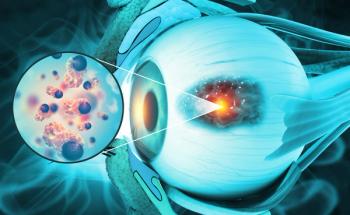
Miguel A. Materin, MD, discussed his new leadership role at Northwell Cancer Institute, and why a multidisciplinary approach is critical to managing ocular malignancies.
Nicholas Hornstein, MD, PhD, ranks RASolute 302, BREAKWATER, MATTERHORN, and more in a real-time discussion on Double Blind.
The FDA has accepted a BLA resubmission for RP1 plus nivolumab for patients with advanced melanoma.
Results from the phase 3 ASCENT-03 and ASCENT-04 trials supported the FDA approval across both locally advanced or metastatic TNBC indications.
Findings from the phase 3 PATINA trial support the FDA approval of palbociclib plus trastuzumab with or without pertuzumab in this breast cancer population.

Experts discussed the integration of GLP-1 agonists and lifestyle interventions to mitigate obesity-related cancer risks and improve long-term survival.
Based on data from the phase 3 LITESPARK-022 trial, the FDA has approved adjuvant belzutifan/pembrolizumab for patients with clear cell RCC.

Catch up on major clinical trials reshaping treatment for brain metastases, Merkel cell carcinoma, cervical cancer, and head and neck cancer, all from ASCO 2026.

Patients with breast cancer experienced improvement in vasomotor symptoms when treated with elinzanetant, irrespective of type of endocrine therapy.

Results from cohort C of the TRASTS study showed trabectedin/radiotherapy had positive response rates for patients with resectable retroperitoneal L-sarcomas.
Published: January 24th 2025 | Updated: February 6th 2025