

Minority patients with aggressive B-cell lymphoma experienced equitable outcomes through more accessible care and the use of the nurse navigators.

Ariana Pelosci, managing editor for CancerNetwork® and the journal ONCOLOGY®, has been with the team since June 2021. She specializes in both web and print, and runs the social media accounts for CancerNetwork®.
She graduated from the University of Delaware, where she studied Media Communications and minored in journalism and marketing. At heart, she is a Jersey girl, and you can always find her down the shore during her free time.
Ariana loves to read, specifically historical or contemporary fiction. Follow Ariana on Twitter @APelosci or email her at apelosci@mjhlifesciences.com.
Minority patients with aggressive B-cell lymphoma experienced equitable outcomes through more accessible care and the use of the nurse navigators.
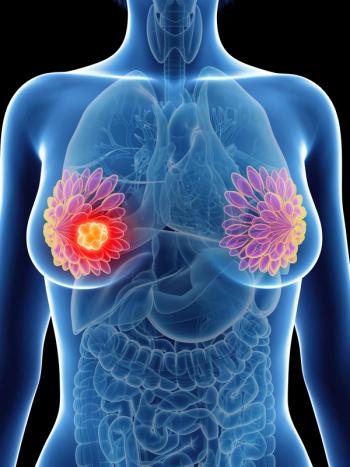
Patients with high-risk early breast cancer who received zoledronate for over 2 years did not experience an improvement in prognosis.
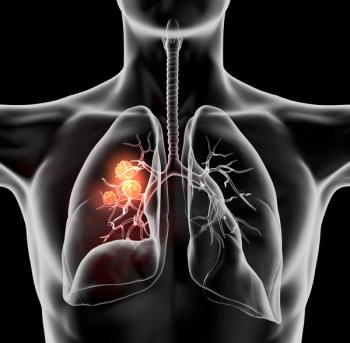
The use of hypofractionated image-guide radiotherapy was not found to improve overall survival for patients with non–small cell lung cancer and poor performance status versus conventional fractionated radiation techniques.

Geriatric patients with prostate cancer did not experience a decline in cognative function regardless of treatment.
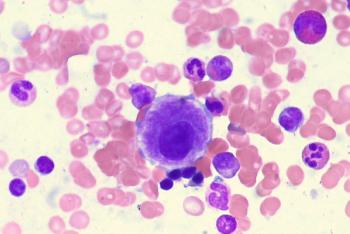
Patients with myelodysplastic syndromes showed favorable event-free survival with allogeneic stem cell transplant compared with those being treated with continuous 5-azacytidine.

Leronlimab yielded a notable increase in overall survival and progression-free survival in patients with metastatic triple-negative breast cancer.

Women who received a total abdominal hysterectomy plus chemotherapy showed better survival then those women who received chemotherapy alone for uterine cancer with distant organ metastasis.

Veterans diagnosed with stage I non–small cell lung cancer who have experienced delays in their surgical treatment over the past 12 weeks are at a higher risk of negative disease outcomes compared with those receiving surgery immediately after diagnosis.

Young-adult cancer survivors who met criteria for being prefrail and frail were more likely to experience a cognitive decline compared with those considered to be nonfrail.
Hippocampal avoidance–prophylactic cranial irradiation was associated with better cognitive function preservation versus standard prophylactic cranial irradiation for small cell lung cancer.

PET-negative patients who are treated with radiotherapy had a slightly increased absolute cardiovascular disease risk, although magnitude of these effects varied widely.

Analysis of women who have survived breast cancer reveal impacts on sexual life.
The topline results from the DeCidE1 trial showing promising results for patients with ovarian cancer treated with maverpopemiut-S.

Patients with solid tumors experienced significant immunogenicity within 2 weeks of receiving a second dose of the BNT162b2 COVID-19 vaccine.

The phase ORIENT-16 trial indicated that the addition of sintilimab to chemotherapy significantly improved of overall survival compared with placebo.

A genomic-adjusted radiation dose model can aid in predicting radiotherapy benefit vs physical dose of radiotherapy pan-cancer.
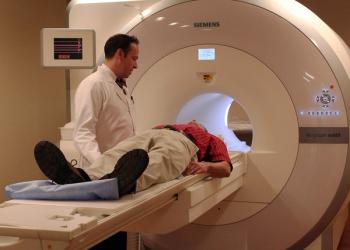
The prospective observational Precision1 cohort study will integrate imaging technology with actionable whole genome sequencing in patients with primary and secondary liver cancer.

The World Health Organization has published new recommendations to aid in the global prevention of cervical cancer through more accessible screenings and treatments.
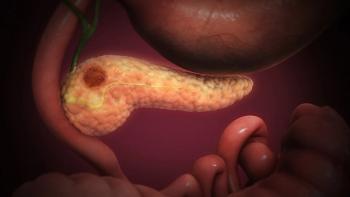
Patients with recurrent pancreatic cancer could potentially benefit from stereotactic body radiotherapy plus pembrolizumab and trametinib post-surgery.

At a population level, those who were selected for surgery had a greater risk of dying from cancer related causes than dying from non-cancer causes.

Investigators advise against the use metformin in addition to chemoradiotherapy for patients with locally advanced non–small cell lung cancer due to progression-free survival and overall survival was not substantial.
Toripalimab in combination with chemotherapy yielded an improvement in progression-free survival compared with placebo plus chemotherapy in patients with recurrent or metastatic nasopharyngeal carcinoma.

Although most patients with cancer who received both doses of the COVID-19 vaccine developed a good immune response within the following 3 weeks, investigators emphasized the importance of developing alternative strategies for patients who are at a high risk of not responding.

Patients undergoing colon cancer treatment can either use their general practitioner or surgeon to lead their survivorship and improving quality of life.

Use of economic coping mechanisms were associated with scoring 26 or lower on the COST analysis, or Comprehensive Score for Financial Toxicity, in patients being treated for gynecologic cancers.
A systemic review and network meta-analysis investigated 3 trials and determined that acalabrutinib/obinutuzumab up front prolongs progression-free survival for patients with chronic lymphocytic leukemia vs other regimens.

Pediatric patients with high-risk molecular subgroup group 3 medulloblastoma experienced an improvement in 5-year event-free survival after receiving therapy intensification with carboplatin.

The phase 2 KEYNOTE-158 trial has demonstrated promising responses in patients with microsatellite instability–high/ mismatch repair deficient advanced endometrial carcinoma, and led to the FDA accepting a review of a new supplemental biologics license application for the drug.
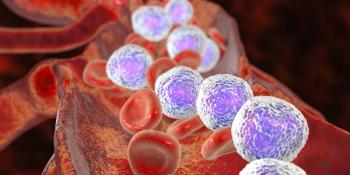
A study published in Lancet Oncology indicated that children with low-risk acute lymphoblastic leukemia may be able to safely omit pulse therapy after 1-year of treatment.
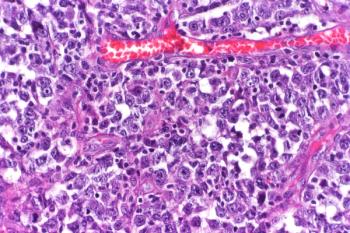
Polatuzumab vedotin in combination with rituximab, cyclophosphamide, doxorubicin, and prednisone helped patients to achieve a significantly improved progression-free survival over the standard of care for previously untreated diffuse large B-cell lymphoma.