

In patients with cancer, there was an increased risk of cardiovascular death vs those who did not have cancer (HR, 2.46).

Ariana Pelosci, managing editor for CancerNetwork® and the journal ONCOLOGY®, has been with the team since June 2021. She specializes in both web and print, and runs the social media accounts for CancerNetwork®.
She graduated from the University of Delaware, where she studied Media Communications and minored in journalism and marketing. At heart, she is a Jersey girl, and you can always find her down the shore during her free time.
Ariana loves to read, specifically historical or contemporary fiction. Follow Ariana on Twitter @APelosci or email her at apelosci@mjhlifesciences.com.
In patients with cancer, there was an increased risk of cardiovascular death vs those who did not have cancer (HR, 2.46).
The approval of narsoplimab by the FDA may now prevent fatal complications from stem cell transplants.

VCU Massey Cancer Center is utilizing L-Dex bioimpedance spectroscopy to move toward a preventative model for lymphedema.

The approval of durvalumab plus FLOT for patients with resectable gastric/GEJ cancer cements itself as a new standard of care in the space.

Numerous clinicians spoke about breaking news, clinical trial updates, and the evolution of standard-of-care treatment throughout 2025.

Michelle Riba, MD, discusses the evolution of distress screening in oncology and the move toward a collaborative care model to integrate psychosocial support into clinical practice.

Daniel C. McFarland, DO; and Charles Kamen, PhD, MPH, discuss the unique challenges that sexual and gender minority groups experience in cancer care.

Moving the needle in cancer research was an important focus for the journal ONCOLOGY in 2025.

How John G. Phillips, MD, MPH, and Tennessee Oncology are aiming to expand radiation oncology access in smaller communities across Tennessee.

A label for imlunestrant/abemaciclib in ER+/HER2– advanced breast cancer with ESR1 mutations will be sought.

The 1-year EFS with CART19 was 90% among patients with B-ALL who had 1 or more CNS relapses.
Sunil Dutta, MD, discusses how whole-breast radiation or systemic therapy is responsible for controlling low-volume disease.

The FDA has given a PDUFA date of April 8, 2026, to the nivolumab/AVD regimen for stage III or IV classical Hodgkin lymphoma.

The primary end point of PFS was not statistically significant with sacituzumab govitecan vs chemotherapy as first-line treatment in HR+/HER2– metastatic breast cancer.

In the amivantamab/lazertinib arm, the median OS in the Asian population was not reached vs 38.4 months in the osimertinib arm for patients with EGFR-mutated NSCLC.
Ziftomenib given at 600 mg in combination with venetoclax/azacitidine produced high response rates in NPM1-mutated AML.
Clinical efficacy and response rates were increased with blinatumomab/ponatinib vs chemotherapy/imatinib for patients with Ph+ ALL.

The 2-year EFS end point was met in the cohort of patients given non-TBI conditioning and allogeneic HCT among those with B-ALL who are pre-HCT and NGS MRD-negative.
Data from the BRUIN-CLL-321 trial led to the FDA granting traditional approval to pirtobrutinib in CLL/SLL indications.

Edward Chu, MD, a member of the gastrointestinal editorial advisory board, died of glioblastoma in November.

HRQOL scores were similar among patients who received a radical cystectomy or bladder persevering therapy for non-muscle invasive bladder cancer.

A recent study found that the number of practicing oncologists is declining as the US population ages and cancer diagnoses continue to increase.

ORR, DOR, PFS, and OS showed continued improvement for patients with relapsed/refractory LBCL receiving tisagenlecleucel.

In the 177Lu plus SBRT arm, the median PFS was 17.6 months vs 7.4 months in the SBRT alone arm for patients with oligorecurrent HSPC.

When a patient may not have the capability of understanding or consenting to treatment options, Louis P. Voigt, MD; and Yesne Alici, MD, will utilize decision-making capacity techniques.
Results from the KEYNOTE-905 trial led to the approval of pembrolizumab/enfortumab vedotin in muscle invasive bladder cancer.
Partial responses and stable disease were observed with PAS-004 in patients with advanced solid tumors harboring RAS, NF1, or RAF mutations.
Results from the KOMET trial led to the approval of selumetinib in adults with NF1 symptomatic, inoperable plexiform neurofibromas.

Results from the NAPOLI 3 trial found NALIRIFOX is a viable option for first-line treatment of metastatic pancreatic adenocarcinoma.
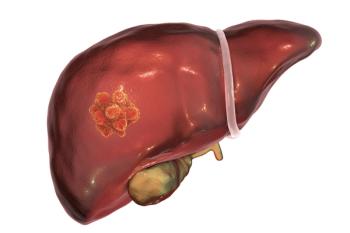
DFS rates at 2 years were improved with cemiplimab plus SBRT vs cemiplimab alone in patients with resectable hepatocellular carcinoma.