Data from the phase 3 LITESPARK-011 trial support the FDA approval of belzutifan plus lenvatinib for adults with advanced clear cell renal cell carcinoma.
Data from the phase 3 LITESPARK-011 trial support the FDA approval of belzutifan plus lenvatinib for adults with advanced clear cell renal cell carcinoma.
As part of the ANDA pathway, Bravnetsa is the only radiopharmaceutical the FDA has determined to be bioequivalent and therapeutically equivalent to the reference product, Lutathera.

Oncology experts discussed the wide-ranging benefits of exercise in oncology care, including enhanced treatment efficacy, minimal AEs, and minimal expenses.

The FDA did not highlight any concerns regarding the clinical or nonclinical data or safety profile of 177Lu-edoterotide.

Two bladder cancer specialists discussed how emerging ctDNA MRD testing advances will impact treatment selection for patients with MIBC.
Findings from the phase 3 KEYNOTE-B15/EV-304 trial support the approval of pembrolizumab-based treatment in this bladder cancer population.

A phase 1 study evaluating the safety, tolerability, and feasibility of intravesical UGN-501 is expected to begin in the fourth quarter of 2026.

Full phase 3 MANGROVE trial data will be presented at an upcoming medical meeting, with global regulatory submissions planned for the second half of 2026.
In this Satellite Session, experts convened to discuss CAR T-cell candidacy among patients across a range of large B-cell lymphoma disease states.
Findings from the phase 2 MOR208C203 trial and phase 1b/2 INCMOR 0208-102 trial support the Japanese regulatory decision for tafasitamab in DLBCL.
Findings from the phase 3 EV-303 trial evaluating the enfortumab-based regimen vs surgery alone in this MIBC group supported the regulatory decision.

An informed multiplex PCR circulating tumor DNA–based molecular residual disease test could inform adjuvant treatment following cystectomy.
Findings from the phase 3 SUNMO trial support the regulatory decision regarding the mosunetuzumab-based regimen for this relapsed/refractory population.
The investigators concluded that the impact of autologous stem cell transplantation with ibrutinib cannot be determined vs ibrutinib alone.
Among 3-to-25-year-old patients with slow, early responses to chemotherapy with newly diagnosed classic Hodgkin lymphoma, pembrolizumab showed an ORR of 98%.

Brentuximab vedotin plus ifosfamide, carboplatin, and etoposide conferred significantly increased toxicity vs 2 other chemotherapy-containing regimens.
The safety profile of the CAR T-cell product in the real world was consistent with that observed in the TRANSCEND MCL study.
No new safety signals were observed with the LAG-3 inhibitor-based therapy among patients with relapsed/refractory classic Hodgkin lymphoma.

The brentuximab vedotin-based regimen was consistently favored in sensitivity analyses regardless of covariate adjustment tested.
The use of CD20×CD3 bispecific antibodies correlated with lower hematologic toxicity, higher responses, and preserved CAR T fitness in LBCL groups.
There was no clear prognostic impact of age, comorbidities, complex living skills, or basic self-care tasks on PFS for diffuse large B-cell lymphoma.
Findings from the phase 3 CAPItello-281 trial supported the regulatory decision for capivasertib among this PTEN-deficient HSPC group.

The addition of epcoritamab to lenalidomide and rituximab showed improved efficacy and manageable safety in relapsed/refractory follicular lymphoma.
Adverse drug reactions occurred in 1 patient treated with VT-EBV-N, although no grade 3 or higher events emerged.

The clearance enables the developers to include China-based centers in an ongoing phase 1a/1b trial evaluating the agent in late-stage solid tumors.

The approval of the on-body injector in multiple myeloma follows a positive opinion from the EMA’s Committee for Medicinal Products for Human Use.

Support for the NMPA approval of rocbrutinib in relapsed/refractory mantle cell lymphoma was based on findings from the phase 2 ROCK-1 trial.
NCCN-indicated germline and somatic testing performance was inconsistent, although rates have been increasing due to concurrent quality improvement efforts.

Among patients treated in the PSMAtrack analysis, all had residual PSMA-avid disease following 6 months of systemic therapy for metastatic HSPC.
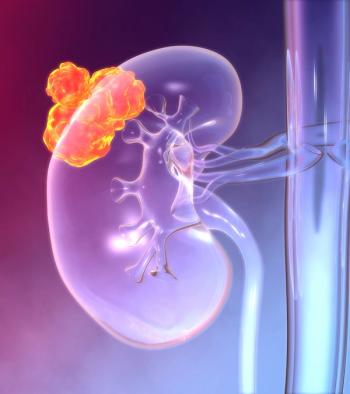
Modulation of angiogenic and immune-related pathways in ccRCC might provide rationale for checkpoint- or VEGFR-TKI–based combinations with HC-7366.

Published: February 12th 2026 | Updated: March 5th 2026

Published: August 9th 2024 | Updated: August 14th 2024

August 7th 2025