

The SU2C-SARC032 study evaluating pembrolizumab plus radiotherapy and surgery found the regimen was well tolerated with infrequent surgical complications.
The SU2C-SARC032 study evaluating pembrolizumab plus radiotherapy and surgery found the regimen was well tolerated with infrequent surgical complications.
Data from CheckMate-67T support the approval of subcutaneous nivolumab in patients with solid tumors across all previously approved nivolumab indications.
Data from the RATIONALE 305 trial support the approval of tislelizumab/chemotherapy in unresectable or metastatic HER2-negative gastric or GEJ adenocarcinoma.

The first stage of a phase 2 trial evaluating neoadjuvant SHR-A1811 in breast cancer meets its primary end point of ORR.
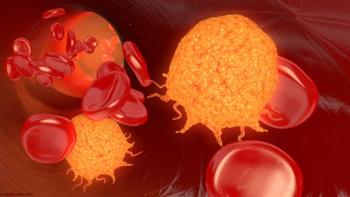
In the phase 1b/2 FELIX study, obecabtagene autoleucel was associated with low incidence of grade 3 or higher immune-related toxicity.
Data from the phase 3 eXalt3 trial support the approval of ensartinib in adult patients with metastatic ALK-positive non–small cell lung cancer.

Results from the phase 3 KEYNOTE-826 trial show that the safety profile of pembrolizumab plus chemotherapy was manageable in cervical cancer.
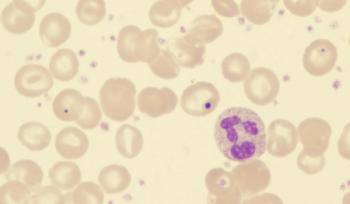
Results from the phase 3 AVA-PED-301 trial support the FDA decision for avatrombopag in pediatric thrombocytopenia.

Analysis of NRG/RTOG 9804 and E5194 trials found tamoxifen significantly reduced invasive ipsilateral breast recurrence in patients with “good risk” DCIS treated without RT.
Minimal tumor lysis syndrome was observed with venetoclax combined with hypomethylating agents in patients with myelodysplastic syndrome.

Despite gaps in biomarker testing accessibility, the lung cancer survival rate has improved by 26% over the last 5 years.

Results from the TRIDENT-1 and CARE trials, which showcased durable activity and robust responses with repotrectinib, supported the recommendation.
Developers are expected to file a supplemental NDA for revumenib in NPM1-mutated AML in the first half of 2025.

Three patients treated at the first dose level of BAFF CAR-T cells experienced minimal adverse effects in a phase 1 study.
National Comprehensive Cancer Network updated 2 guideline resources to keep providers and other stakeholders up to date on cutting-edge genetic research.

Data presented from a pilot study evaluating HERC validated its usability in measuring equitable practices at leading cancer centers.

Findings from 3 studies combining birth and cancer registers showed postponing childbearing partially correlated with cancer increases in pregnant women.

Four of 13 patients with metastatic breast cancer recruited in 2022 for the phase 2 clinical study evaluating Bria-IMT remain in survival follow-up.
The resubmission included an analysis of the phase 3 CARES-310 study, which reported favorable overall survival with the combination therapy in uHCC.
Data from the phase 3 SPOTLIGHT trial and the phase 3 GLOW trial supported the approval of zolbetuximab plus chemotherapy in this indication.

While cisplatin was in shortage, clinicians were forced to prescribe costlier alternatives for patients with head and neck cancer.
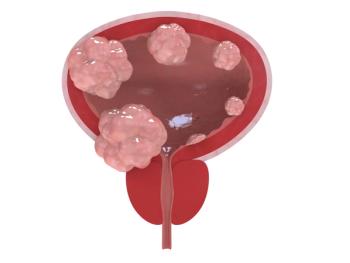
The decision is backed by robust efficacy data from the phase 3 ENVISION trial, evaluating UGN-102 in patients with non-muscle invasive bladder cancer.
Support for the approval comes from phase 3 LUNAR study findings indicating TTFields significantly prolonged OS compared with standard of care alone.

Developers plan to submit a supplemental NDA for this combination as a first-line maintenance therapy for ES-SCLC in the first half of 2025.

Retrospective analysis data on apalutamide vs enzalutamide in patients with prostate cancer were consistent with findings from the phase 3 TITAN trial.

Results showed of the phase 3 ADRIATIC study found that treatment with durvalumab elicited similar radiation pneumonitis incidences vs placebo for LS-SCLC.

Thomas G. Martin, MD, discussed the advantages of quadruplet therapy for multiple myeloma in light of an FDA approval for Isa-VRd in this indication.
Findings from the phase 3 CheckMate 77T trial support the approval of nivolumab plus chemotherapy for resectable NSCLC.

A nurse practitioner discussed how her role plays a vital part in patient care for those undergoing talquetamab treatment for multiple myeloma.

In 2 clinical trials, 64Cu-SAR-bisPSMA was shown to be effective in detecting prostate cancer in patients with PSMA-positive lesions.