
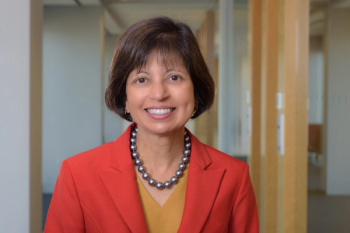
The future of radiation oncology will be largely affected by artificial intelligence and genomics, according to Sheila D. Rege, MD, FACRO.
The future of radiation oncology will be largely affected by artificial intelligence and genomics, according to Sheila D. Rege, MD, FACRO.
The expansion of clinical trials evaluating proton-based radiotherapy could elucidate its benefits and increase its access across the US.
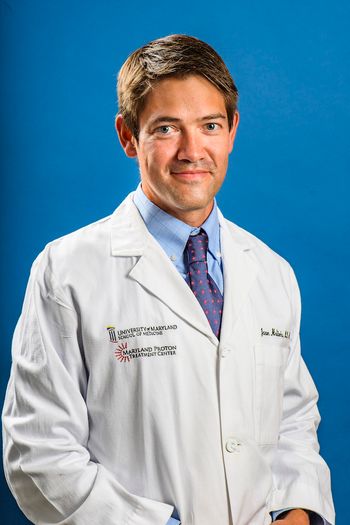
Jason Molitoris, MD, PhD, discussed 2025 data on proton therapy for oropharyngeal cancer, highlighting immune preservation and reduced long-term AEs.
According to Charlotte Rivers, MD, it’s important for patients with CNS cancers to meet with all involved doctors so they can make an informed decision regarding their care.
J. Isabelle Choi, MD, shared her specific fractionation preferences and prophylactic strategies to combat adverse effects associated with radiation.
Charlotte Ivy Rivers, MD, explored the impact of updated WHO criteria and functional imaging, such as DOTATATE-PET, on the diagnosis and treatment of patients with CNS tumors.
Sunil W. Dutta, MD, discussed why clinical follow-up remains an essential soft skill for radiation oncologists in an increasingly automated field.
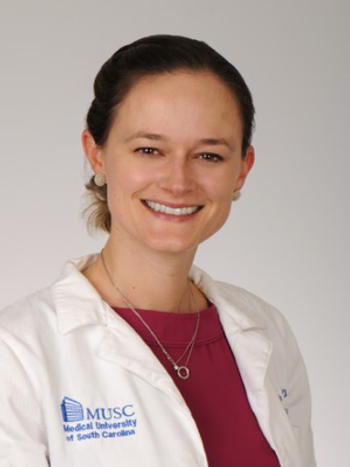
Charlotte Ivey Rivers, MD, discussed the importance of rare CNS tumor research, upcoming trial data in meningioma, and the role of functional radiosurgery.
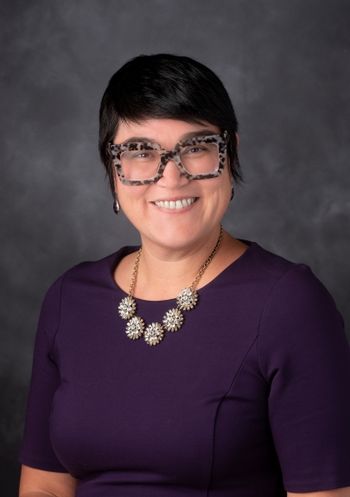
Fumiko Chino, MD, discussed the nuances of patient-centered care, addressing financial toxicity, AI bias in oncology, and survivorship.

Pranshu Mohindra, MD, outlined considerations for optimizing the use of hypofractionated radiation for patients with lung cancer.
J. Isabelle Choi, MD, discussed proton and photon therapy for locoregional recurrences, emphasizing advanced IMRT/VMAT techniques and CTV delineation.
In a presentation at the 2026 ACRO Summit, Pranshu Mohindra, MD, reviewed the treatment planning process for hypofractionated radiation in lung cancer.
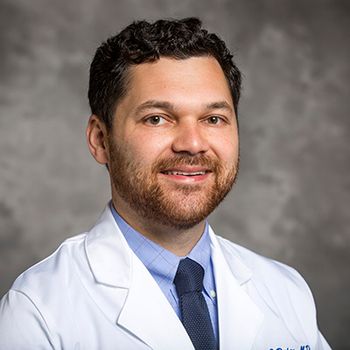
Sunil W. Dutta, MD, discussed hypofractionation in breast reconstruction and why clinical follow up remains a key "soft skill" in an AI-driven field.
Sunil Dutta, MD, discusses integrating FAST-Forward and PRIME II trial data to personalize breast cancer treatment and sequencing radiation with ADCs.
Fumiko Chino, MD, FASCO, discussed the psychological "free fall" patients may experience after completion of radiation therapy for breast cancer.
Urinary toxicity, gastrointestinal toxicity, and sexual function are among the categories that should be tracked when treating patients with inoperable endometrial cancer.

Dominique Rash, MD, presented several cases of patients with inoperable endometrial cancer at the 2026 ACRO Summit.

According to Dominique Rash, MD, the incidence of inoperable endometrial cancer is rising in the US, and clinicians may encounter it more frequently.
Parul Barry, MD, discussed the evolving role of ADCs and targeted therapies in breast cancer, highlighting strategies for sequencing them with radiation.

Experts outline current initiatives from the American College of Radiation Oncology as well as potential next steps for advancing the field.
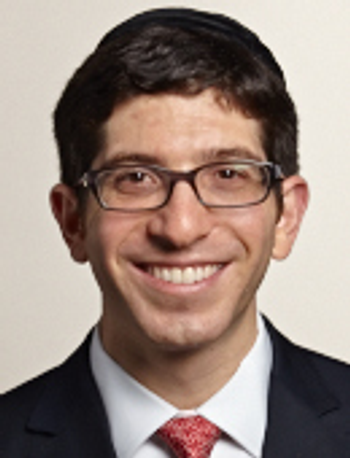
Michael Buckstein, MD, spoke with CancerNetwork about the benefits of using radiation to treat celiac plexus-associated pain.
Because there are so many options available for treating DCIS, the chosen method is often based on the patient's preferences, said Jean L. Wright, MD, FASTRO.

Parul Barry, MD, discusses advances such as ultrahypofractionated radiation and the growing role of AI in streamlining workflows for breast cancer care.
According to Jean L. Wright, MD, FASTRO, the flow of new information and research pertaining to ductal carcinoma in situ is constant.

OS and PFS rates were positive as demonstrated by real-world data in patients given SBRT for oligometastatic ovarian cancer.
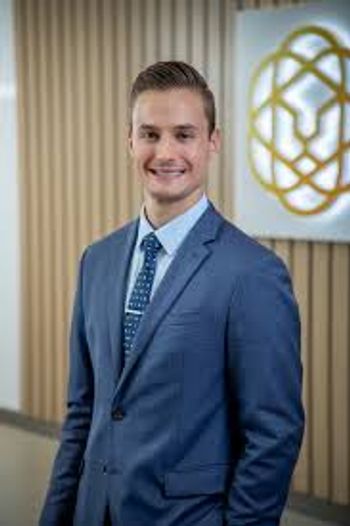
Theranostics, a technique that combines traditional medication with diagnostics, is “limitless,” according to Brandon Mancini, MD, MBA, FACRO.
Theranostics is an escalating field within radiation oncology and clinicians should be utilizing it every day, according to Brandon Mancini, MD, MBA, FACRO.
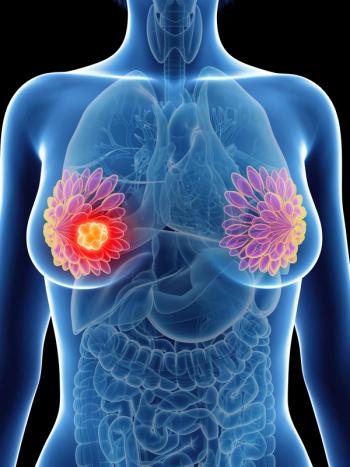
J. Isabelle Choi, MD, outlined evidence-based strategies for radiation dose escalation in locoregionally advanced breast cancer.