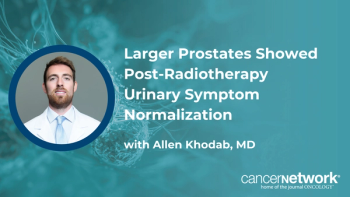
Allen Khodab, MD discussed how patients with larger prostates had reduced IPSS scores that normalized to the same level as those with normal-sized glands.
According to Charlotte Rivers, MD, it’s important for patients with CNS cancers to meet with all involved doctors so they can make an informed decision regarding their care.
The multidisciplinary team approach centers the management of central nervous system (CNS) tumors at the Medical University of South Carolina (MUSC), as described by Charlotte Ivy Rivers, MD. According to Rivers, a radiation oncologist at MUSC, the integration of diverse clinical perspectives is essential when treating patients with cancer, particularly those diagnosed with rare tumor types.
A core component of this collaborative framework is the utilization of tumor boards to ensure comprehensive case reviews. Rivers noted that at her institution, specialists in neurosurgery, radiation oncology, and neuro-oncology coordinate to see patients on the same day. This logistical alignment ensures all providers remain “on the same page” regarding the treatment strategy. “It’s important for the patient to meet with both of those doctors to decide what’s best for them, and what’s going to give them the outcome that they’re looking for,” Rivers explained. This shared decision-making process is vital for patients weighing the options of surgery, radiation, or a combination of both.
The presence of specialized clinicians is a critical factor in providing high-level CNS care. MUSC currently employs 3 neuro-oncologists, providing a specialized resource for patients across the region. This concentration of expertise frequently draws patients seeking second opinions regarding their care.
Furthermore, Rivers emphasized the transformative role of telehealth in overcoming geographic barriers. By utilizing virtual platforms, the multidisciplinary team can reach patients in more remote locations, providing them with access to expert opinions and suggestions that might otherwise be unavailable. This technological integration ensures that specialized CNS care is not limited by a patient's proximity to a major medical center.
Transcript:
How important is strong communication with neurology and neuro-oncology during the CNS radiation process?
It’s important to have a multidisciplinary team to take care of these patients, especially with rare types of tumors. It’s something where tumor boards are important. At our institution, we all try to see the patients in the same day, with neurosurgery, radiation oncology and neuro-oncology, trying to make sure everybody’s on the same page, especially if it’s somebody who has an option of surgery vs radiation or combination. It’s important for the patient to meet with both of those doctors to decide what’s best for them, and what’s going to give them the outcome that they’re looking for.
We have 3 neuro-oncologists at MUSC. That’s one thing that is nice for patients to come…. A lot of people come for second opinions. Telehealth has helped a lot with that too, because now we can reach patients who are in kind of more remote places and be able to at least give them access to opinions and suggestions about their care.