ASCO Breakthrough 2026 spotlighted liquid biopsy, biomarkers, AI, and global equity, showing how data-driven precision oncology shapes personalized cancer care worldwide.
ASCO Breakthrough 2026 spotlighted liquid biopsy, biomarkers, AI, and global equity, showing how data-driven precision oncology shapes personalized cancer care worldwide.

ASCO Breakthrough 2026 spotlights AI-driven tumor boards, trial matching, and MRD/ctDNA-guided therapy, signaling faster and more personalized cancer care.
ASCO Breakthrough 2026 spotlights ADCs, CAR-T, ctDNA-guided colorectal care and menin inhibitors driving precision cancer treatment.
The INCIPIENT trial establishes CARv3-TEAM-E as a mechanistically sophisticated and biologically active platform for recurrent glioblastoma.

A young father faces a potential lymphoma diagnosis, revealing how medical language, restraint, and rapid coordination reshape care and ease uncertainty.
In vivo CAR T-cell engineering represents a fundamental rethinking of how cellular therapies are produced and delivered.
Data from a phase 1 trial suggest that durable, vaccine-induced T-cell memory may be achievable even in pancreatic ductal adenocarcinoma.

Phase 1 data show that anti-BCMA CAR-T cells can be generated directly within a patient without a need for leukapheresis and lymphodepleting chemotherapy.
A prospective evaluation shows that using large language models within an oncology-specific knowledge graph may help close oncology's enrollment crisis.
Integrative analysis reveals that targeting uPAR with CAR T cells produces durable regressions as well as systemic metastasis clearance.

A large community-based chart review demonstrates robust real-world responses with tafasitamab/lenalidomide across a racially diverse US population.
The RUBY trial demonstrates that disrupting the BCL11A binding site in the γ-globin promoters can normalize hemoglobin in severe sickle cell disease.
Data demonstrate that reprogramming immunosuppressive macrophages can convert cold tumors into self-sustaining immune battlefields without lymphodepletion.
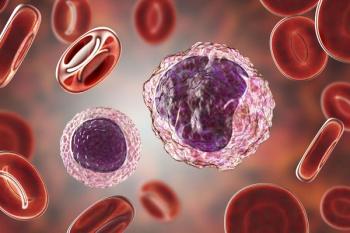
The CAREMM-001 study may offer a glimpse into a potential future in which the therapeutic sequence of multiple myeloma is fundamentally reimagined.
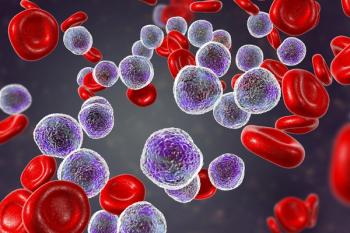
The next frontier is not only building constructs that reduce one mechanism of relapse, but understanding why antigen-positive failures still occur.
A landmark Nature study demonstrates targeted CRISPR-based CAR transgene integration in living patients' T cells without ex vivo manufacturing.

Yan Leyfman, MD, reflected on resilience and hope in the face of cancer, recounting a 37-year-old diagnosed with stage IV colorectal cancer followed by HIV.
Yan Leyfman, MD, discussed the factors that may ultimately define the next era of transplant medicine across hematologic malignancies.
Yan Leyfman, MD, reviewed how toxicity management in hematologic oncology is shifting to phenotype- and mechanism-informed intervention.
Yan Leyfman, MD, shared key clinical and practice-shaping insights related to cellular therapy from the 2026 Tandem Meetings.

This section aims to enhance provider empathy, mitigate burnout, and center the patient’s lived experience within the rigorous framework of medical science.
Safety-optimized CAR-T platforms and supportive-care breakthroughs highlight a maturing field focused on access, durability, and real-world implementation.
Discover how stem cell transplant still deepens myeloma remission, guided by MRD and paired with CAR‑T, bispecifics, and smarter maintenance.

Immunocompromised individuals face ongoing COVID-19 risks despite vaccination, highlighting the need for tailored public health strategies and innovative therapies.
Explore the latest advancements in sarcoma immunotherapy, focusing on tumor microenvironment modulation and innovative treatment strategies for improved patient outcomes.
Authors of a manuscript published in ONCOLOGY® discuss how artificial intelligence may help with cancer detection and improving various patient outcomes.

Advances in next-generation sequencing and gene expression are reshaping T-cell lymphoma classification and the use of targeted therapies.

Artificial intelligence may mitigate overdiagnosis and unnecessary treatments in cancer care by integrating with precision medicine.
Several lymphoma experts discuss the current T-cell lymphoma landscape, the need for new therapies, and ongoing research in the space.
February 20th 2026

April 28th 2026