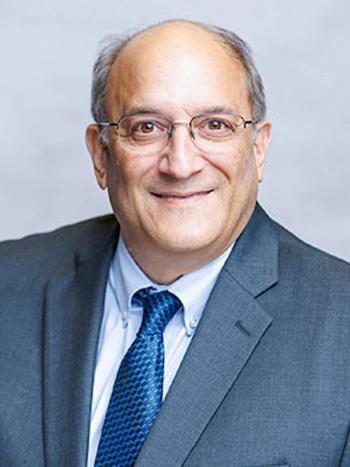
“No one should be excluded from any clinical trial,” said Paul G. Rubinstein, MD, regarding patients with HIV-associated cancers in cooperative group studies.
The next frontier is not only building constructs that reduce one mechanism of relapse, but understanding why antigen-positive failures still occur.
For patients with relapsed or refractory non-Hodgkin lymphoma (r/r NHL), the central question in cellular therapy has never been whether CAR-T cells can induce remission. It has been whether those remissions endure. Across pivotal studies of CD19-directed CAR-T therapy, the field has seen a recurring pattern: a meaningful subset of patients achieve deep and lasting responses, but many relapse within the first two years. That reality has defined both the promise and the limitations of CAR-T in lymphoma. Against this backdrop, the 5-year follow-up of TanCAR7 reported by Han and colleagues offers an important opportunity to examine what durable remission looks like after dual-targeted CAR-T therapy—and what mechanisms may distinguish long-term control from eventual failure.
In this issue, Han and colleagues present the 5-year results of the single-arm phase I/II TanCAR7 trial (NCT03097770), evaluating a tandem CD19/CD20 CAR-T construct in 87 patients with r/r NHL treated at a single center in China between May 2017 and January 2020.1 At a median follow-up of 63.4 months, the overall response rate was 78%, the complete response rate was 70%, and 40% of patients remained in ongoing response at data cutoff. The estimated 5-year duration of response was 57.2%, the median progression-free survival was 33 months, and the estimated 5-year overall survival was 60.1%. Importantly, no new or unexpected treatment-related serious adverse events emerged with long-term follow-up.1
These are the longest follow-up data reported to date for a dual-targeted CD19/CD20 CAR-T strategy in r/r NHL. More importantly, they shift the discussion from initial response rates to the endpoint that matters most to the field: durability.
The significance of these data becomes clearer when viewed against mature outcomes from single-target CD19 CAR-T platforms. In ZUMA-1, 5-year follow-up of axicabtagene ciloleucel (Yescarta) in refractory large B-cell lymphoma demonstrated an estimated 5-year overall survival of 42.6%, with 31% of patients maintaining an ongoing response at data cutoff.2 Similarly, long-term follow-up of tisagenlecleucel (Kymriah) showed that patients who remained in response at 1 year were the most likely to sustain remission through 5 years, reinforcing the concept that durable disease control after CAR-T is possible, but not universal.3
Against these benchmarks, TanCAR7 compares favorably. The reported 5-year overall survival of 60.1% and duration of response of 57.2% are encouraging, particularly given the inclusion of patients with heterogeneous histologies and less selected clinical features, including ECOG performance status 2.1 At the same time, interpretation requires caution. The cohort included both aggressive and indolent NHL, and the indolent subgroup had a 5-year overall survival of 100% compared with 50.8% in aggressive disease, a difference that clearly elevates the pooled survival estimate.1 As with many early cellular therapy studies, the durability signal is real, but the magnitude of benefit is not equally distributed across biologic subtypes.
The conceptual appeal of TanCAR7 is straightforward. One of the best-established mechanisms of relapse after single-target CD19 CAR-T therapy is antigen escape through CD19 downregulation or loss.4,5 Simultaneous targeting of CD19 and CD20 is intended to reduce the likelihood that lymphoma can evade immune pressure through single-antigen loss. This strategy has strong biologic logic and is supported by early clinical experience with dual-targeted constructs in B-cell malignancies.5,6
The 5-year data provide partial validation of that premise. Among relapsed patients with available biopsy tissue, dual antigen-negative relapse was rare: only 1 of 14 evaluable cases demonstrated loss of both CD19 and CD20, whereas most relapses remained antigen-positive.1 That is an important finding. It suggests that dual targeting may indeed reduce the classic antigen-escape route that has complicated single-target CAR-T therapy.
But the data also clarify something equally important: preventing antigen loss is not the same as preventing relapse. Antigen-positive failures still occurred, implying that late relapse after TanCAR7 is more likely driven by other mechanisms, including limited CAR persistence, T-cell dysfunction, or an immunosuppressive tumor microenvironment. The observation that patients with durable remissions maintained higher circulating CD8-positive T-cell levels post-infusion supports the idea that long-term disease control depends not only on the infused product, but also on sustained host immune competence.1
Han and colleagues also propose a baseline risk model associated with primary resistance, incorporating elevated LDH, IPI score of 3 or greater, B symptoms, and low BMI (Han et al., 2026). The clinical message is intuitive: patients entering CAR-T with greater systemic disease burden, inflammation, and frailty are less likely to respond. This aligns with broader real-world CAR-T data showing inferior outcomes among patients with high tumor burden and adverse inflammatory features.7
Still, this model should be viewed as exploratory. Its internal accuracy is promising, but discriminatory performance is modest, and the limited sample size constrains robustness. Rather than serving as a ready-for-clinic tool, it is best understood as a framework for future validation. More broadly, the signal around elevated inflammatory markers before infusion raises a practical question for the field: can outcomes be improved by optimizing disease control and inflammatory state before CAR-T, whether through better bridging strategies, steroid modulation, or more biologically informed patient selection?
One of the major values of a 5-year dataset is what it can reveal about late safety. Here, TanCAR7 is reassuring. Cytokine release syndrome occurred in 70% of patients, with grade 3 or higher events in 10%, and CRES occurred in 17%, with grade 3 or higher events in 2%.1These rates are broadly comparable to those seen with established CD19-directed products. Just as importantly, no novel long-term toxicity signal emerged.
The same is true for second primary malignancies. No evidence suggests that the tandem construct introduced a distinct late oncologic risk, and the reported rate appears consistent with what has been observed after CAR-T more broadly and with the background risk carried by heavily pretreated lymphoma populations.8,9 That reassurance matters. A therapy cannot plausibly be discussed as potentially curative unless its long-term safety profile remains acceptable.
Perhaps the most sobering and clinically useful finding in this report is what happened after CAR-T failure. Among patients with primary resistance or relapse, outcomes with salvage therapy were poor: median overall survival was 17.3 months and median progression-free survival was only 1.5 months.1 This is consistent with larger registry-based experiences showing that once patients progress on CAR-T, the prognosis often deteriorates rapidly.10,11
The descriptive salvage analysis is telling. Patients treated with a second CAR-T or targeted therapy appeared to fare substantially better than those treated with conventional chemotherapy, which produced essentially no meaningful activity in this cohort.1 These comparisons are limited by selection bias and small numbers, but the practical implication is difficult to ignore: for patients relapsing after CAR-T, conventional chemotherapy is rarely a compelling strategy. The real priority is rapid referral for clinical trials, next-generation cellular therapies, bispecific antibodies, or other rational targeted approaches.
This study is important, but it does not settle the question of whether dual targeting is definitively superior to single-antigen CAR-T. The trial is single-center, histologically heterogeneous, and based on a proprietary construct that is not commercially available. It also remains unclear how much of the long-term benefit reflects the tandem design itself versus other product- or protocol-specific features, including dose, manufacturing characteristics, or conditioning strategy.
The next phase for the field is clear. Randomized or rigorously matched comparative studies are needed to determine whether dual targeting meaningfully increases the plateau of durable remission or simply shifts relapse kinetics. Similar questions are already being explored with other multiantigen approaches, including CD19/CD22 strategies in acute lymphoblastic leukemia.12 TanCAR7 does not answer that broader question definitively, but it makes it far more urgent—and far more testable.
At 5 years, TanCAR7 gives the lymphoma field something rare in cellular therapy: mature longitudinal evidence from a prospectively followed cohort. The study shows that tandem CD19/CD20 CAR-T therapy can generate durable remissions in a meaningful fraction of patients with r/r NHL, with long-term safety that appears stable and relapse patterns that support the biologic rationale for dual targeting.
But the deeper lesson of this report is not simply that dual targeting works. It is that durability after CAR-T is shaped by more than antigen escape alone. The next frontier is not only building constructs that reduce one mechanism of relapse, but understanding why persistent, antigen-positive failures still occur—and how to rescue those patients before the window for effective salvage closes.
In that sense, the 5-year TanCAR7 data are not the end of the dual-targeting story. They are its most mature foundation to date.