Bhanu Prasad Venkatesulu, MBBS, MD, discussed why fewer radiation oncologists perform brachytherapy, and one setting where he considers it the better option.
Hashem B. El-Serag, MD, MPH, said HCC risk in MASLD centers on advanced fibrosis and cirrhosis, while extrahepatic cancers warrant routine screening.
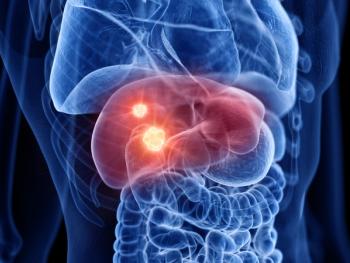
At The Liver Meeting® 2026, Hashem B. El-Serag, MD, MPH, vice president of the Learning Health System and chair and professor of the Department of Medicine at Baylor College of Medicine in Houston, Texas, argued that metabolic dysfunction–associated steatotic liver disease (MASLD) changes cancer care in 2 ways. Hepatocellular carcinoma (HCC) risk is concentrated in patients with advanced fibrosis or cirrhosis, while the extrahepatic cancer burden is broader and not clearly fibrosis dependent.1 He concluded that clinicians should screen for HCC selectively but ensure routine, age-appropriate cancer prevention for all patients with MASLD.
El-Serag spoke during the session “The MASLD and HCC Continuum: Fibrosis, Inflammation, and Clinical Decision-Making, Part 1,” noting that 30.1% of adults worldwide had MASLD in pooled data from 1990 to 2019, and US prevalence was 31.3% based on 2017-2020 elastography data.2 Modeling projects more than 12,000 MASLD-related HCC cases per year in the US by 2030, a 137% increase.3
In a Veterans Affairs (VA) cohort of 296,707 patients with MASLD and 296,707 matched controls, HCC incidence was 0.21 vs 0.02 per 1000 person-years.4 Risk was more than 100-fold higher with cirrhosis than without: 10.6 vs 0.08 per 1000 person-years. Among patients without restriction to cirrhosis, older Hispanic patients had the highest incidence, at 0.93 per 1000 person-years (95% CI, 0.55-1.47). Metabolic traits added to risk; compared with no metabolic trait, the combination of diabetes, hypertension, dyslipidemia, and obesity carried an adjusted HR (aHR) of 5.70 (95% CI, 1.70-19.12).5
Fibrosis was the main inflection point. A reconstructed individual patient data meta-analysis of 26 studies including about 4.0 million people found an HR of 11.09 (95% CI, 2.68-45.89; P <.001) for advanced fibrosis vs none, with 10-year HCC incidence of 8.8% vs 1.3%; 10-year incidence reached 15.3% with cirrhosis.6 In a 16-center study of 12,950 adults, annual HCC incidence was 0.07% below the low fibrosis-4 index (FIB-4) cutoff, which applied to 66% of patients, and 1.18% at a FIB-4 of 3.25 or higher.7 A 2-step approach, FIB-4 followed by a liver stiffness measurement of at least 15 kPa, identified patients whose risk exceeded 1% per year.
El-Serag estimated that 20% to 30% of MASLD-related HCC may occur without recognized cirrhosis, but the average risk in this large population is too low for universal surveillance. He proposed stepwise risk enrichment, moving from FIB-4 and elastography to clinical-metabolic risk, then genetics, biomarkers, and imaging phenotypes, with surveillance offered only when predicted benefit is high.
Surveillance quality was another concern. Ultrasound sensitivity for HCC fell from 75% with adequate visualization to 27% with severe limitation, and severe limitation carried an adjusted odds ratio of 7.94 (95% CI, 1.23-51.16) for a false-negative result.8 He advised recording the visualization score on every report, repeating limited exams with an experienced sonographer, considering MRI in selected high-risk patients, and keeping α-fetoprotein testing alongside ultrasound. “Surveillance done is not surveillance adequate,” he explained in the presentation.
Alcohol compounded risk. Compared with no steatotic liver disease, the aHR for liver cancer was 1.18 (95% CI, 1.13-1.22) with MASLD and 2.09 (95% CI, 1.95-2.24) with metabolic dysfunction and alcohol-associated liver disease (MetALD).9 El-Serag recommended quantifying alcohol intake in grams per week at every visit, advising reduction for all patients and abstinence for those with advanced fibrosis.
Beyond the liver, pooled extrahepatic cancer incidence was more than 8 times that of HCC in this population, led by uterine and breast cancers.10 A meta-analysis of 10 cohorts including 182,202 adults and 8485 cancers found roughly 1.5- to 2.0-fold higher risks for esophageal, gastric, pancreatic, and colorectal cancers and 1.2- to 1.5-fold higher risks for lung, breast and gynecologic, and urinary tract cancers.11 In a study of 1.50 million people with steatotic liver disease and 4.89 million comparators, the aHR for colorectal cancer was 1.28 (95% CI, 1.22-1.35) with MASLD, 1.36 (95% CI, 1.28-1.45) with MetALD, and 1.73 (95% CI, 1.59-1.87) with alcohol-associated liver disease.12 El-Serag said colorectal screening should start at the usual age, with no missed screenings. MASLD was also linked to intrahepatic (HR, 3.52; 95% CI, 2.87-4.32) and extrahepatic (HR, 2.93; 95% CI, 2.42-3.55) cholangiocarcinoma, although the cancer’s rarity does not support screening.13
On prevention, observational data were consistent but untested in randomized trials. Statins were associated with lower HCC risk in cirrhosis across 7 studies (pooled HR, 0.61; 95% CI, 0.46-0.82).14 GLP-1 receptor agonists were associated with lower HCC risk in a meta-analysis of 9 cohorts including 2.3 million patients with type 2 diabetes (HR, 0.60; 95% CI, 0.41-0.88), with high heterogeneity.15 Metformin was associated with lower risk (odds ratio, 0.50; 95% CI, 0.34-0.73) and insulin with higher risk (odds ratio, 2.61; 95% CI, 1.46-4.65), likely reflecting confounding by diabetes severity.16 Bariatric surgery was associated with lower risk of obesity-associated cancer (aHR, 0.68; 95% CI, 0.53-0.87) and cancer death (aHR, 0.52; 95% CI, 0.31-0.88).17 El-Serag advised prescribing these therapies for their established indications, describing any cancer benefit as “a bonus, not the indication.”
His closing recommendations aligned with 2024 European guidelines, which advise against routine HCC surveillance in noncirrhotic disease below F3 fibrosis, individualized assessment at F3, and guideline-based surveillance in cirrhosis.18 He urged clinicians to use FIB-4 for initial assessment, followed by vibration-controlled transient elastography or the Enhanced Liver Fibrosis test when needed; to manage obesity, diabetes, and alcohol use for their established indications; and to confirm that routine cancer screenings are up to date.