

Opinion|Videos|February 6, 2026
Time-Limited Zanubrutinib Plus Venetoclax: MRD-Guided Outcomes from SEQUOIA Arm D
Author(s)Ian Flinn, MD, PhD, Danielle Brander, MD
Long-term follow-up data on BTK inhibitors reassures patients about safety and efficacy, guiding treatment decisions for chronic conditions.
Advertisement
Episodes in this series
In this segment, Dr. Brander reviews results from Arm D of the SEQUOIA trial, which evaluated a fixed-duration, MRD-guided combination of zanubrutinib and venetoclax in previously untreated patients with CLL/SLL. This arm was designed to explore whether deep, durable responses could be achieved with time-limited therapy across both standard- and high-risk populations.
Arm D initially enrolled patients with high-risk disease features, including del(17p) and TP53 abnormalities, and later expanded to include patients with other risk markers. All participants began with a zanubrutinib lead-in for 3 cycles, followed by the addition of venetoclax with standard tumor lysis syndrome ramp-up. Treatment duration was individualized: patients were required to complete minimum exposure thresholds but could discontinue combination therapy if they achieved complete response and sustained undetectable MRD in both blood and bone marrow on consecutive assessments. Patients who did not meet stopping criteria could continue zanubrutinib.
Baseline characteristics were balanced between risk groups, with a median age in the mid-60s and a substantial proportion of patients with bulky disease and complex karyotypes. Importantly, PFS outcomes were similar regardless of TP53 or del(17p) status. At 36 months, PFS was 87% in patients with TP53 aberrations and 89% in those without, with comparable results at 42 months of follow-up. Outcomes were also similar between patients with mutated and unmutated IGHV, a notable finding given prior fixed-duration studies showing shorter PFS in IGHV-unmutated disease.
MRD analyses suggested that responses may deepen with longer combination therapy, particularly in high-risk patients. Rates of undetectable MRD increased substantially between cycles 15 and 27 in patients with TP53 or del(17p), indicating potential benefit from extended treatment duration in this group. Although follow-up off therapy remains relatively short, responses have largely been maintained to date.
Safety findings were consistent with known profiles of BTK and BCL2 inhibitors, with no unexpected adverse events observed. Overall, Arm D supports the feasibility of MRD-guided, time-limited combination therapy as an effective strategy across CLL risk groups.
Advertisement
Related to this article

“When we give the most effective therapy at the time of new diagnosis, we get the most value out of the effort and time that we and our patients are spending,” said Neeraj Agarwal, MD, FASCO.

An aglatimagene besadenovec-based radiotherapy combination increased intratumoral lymphocyte fraction in intermediate- to high-risk localized prostate cancer.

The ROADS investigators reported no differences between cesium-131 tile-based radiation therapy and SRT in quality of life, functional status, or neurocognitive function.
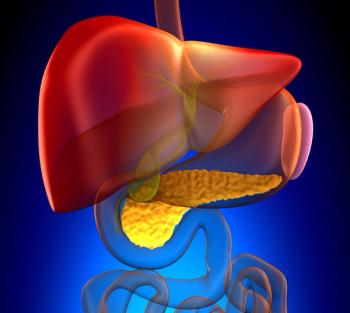
William A. Hall, MD, discussed the SOFT Preop study of preoperative SBRT vs conventional chemoradiation for pancreatic adenocarcinoma.
Chih-Yi “Andy” Liao, MD, discusses how oncologists are sequencing pemigatinib, futibatinib, and lirafugratinib and how their tolerability differs.

“It should be protocol that 100% of your patients with metastatic prostate cancer get germline testing. Full stop. No exceptions,” said Neal D. Shore, MD, FACS.
Chih-Yi “Andy” Liao, MD, discusses the FDA approval of lirafugratinib and what the field has learned about resistance to FGFR2 inhibitors.

In the phase 3 NRG-CC009 trial, SRS led to longer overall survival vs HA-WBRT plus memantine with similar neurocognitive failure in SCLC brain metastases.
Advertisement
Advertisement
Trending on CancerNetwork
1
BCMA/GPRC5D CAR T-Cell Therapy Shows Early Efficacy in R/R Multiple Myeloma
2
Aglatimagene Combo Shows Sustained Immune Remodeling in Prostate Cancer
3
What Does TALAPRO-3 Mean for Frontline Treatment of HRR-Altered mHSPC?
4
SBRT Matches Chemoradiation, Preserves QOL Before Pancreatic Surgery
5