

Opinion|Videos|January 28, 2026
Durable Frontline Benefit With Zanubrutinib: Long-Term Lessons From High-Risk CLL
Author(s)Ian Flinn, MD, PhD, Danielle Brander, MD
Fact checked by: Justin Mancini
Ian Flinn, MD, PhD; and Danielle Brander, MD, reflect on the key long-term findings from the SEQUOIA trial, with particular emphasis on durability of response and outcomes in high-risk patient populations.
Advertisement
Episodes in this series
Both Ian Flinn, MD, PhD; and Danielle Brander, MD, note that the 6-year follow-up reinforces what has increasingly become expected with modern Bruton tyrosine kinase (BTK) inhibitors: durable remissions, excellent progression-free survival, and consistent benefit across biologic risk groups.
Flinn highlights that zanubrutinib continues to demonstrate sustained disease control over time, including in patients with del(17p), a group historically associated with poor outcomes. Although he expresses some surprise at the durability of remissions observed, he also acknowledges that expectations for novel agents have risen as outcomes continue to improve year after year. These data further solidify BTK inhibition as a reliable long-term strategy in frontline chronic lymphocytic leukemia (CLL).
Brander underscores a unique strength of the SEQUOIA study: the inclusion of a large, dedicated cohort of more than 100 treatment-naive patients with del(17p). This robust sample allows for meaningful assessment of frontline outcomes in one of the highest-risk CLL populations rather than extrapolating from smaller subgroups or from relapsed/refractory disease studies. She emphasizes that outcomes in treatment-naive patients at high risk may differ significantly from those treated later in the disease course, reinforcing the value of these data.
The discussion returns to the importance of comprehensive biomarker testing. Although highly effective therapies such as zanubrutinib may perform well across risk groups, both experts agree that baseline prognostic testing remains essential. Biomarker data help guide expectations, inform decisions around continuous vs time-limited therapy, and provide critical context if complications such as resistance, transformation, or new symptoms arise. Overall, this segment reinforces the importance of long-term follow-up data and thoughtful risk assessment in optimizing frontline CLL management.
Advertisement
Related to this article

“When we give the most effective therapy at the time of new diagnosis, we get the most value out of the effort and time that we and our patients are spending,” said Neeraj Agarwal, MD, FASCO.
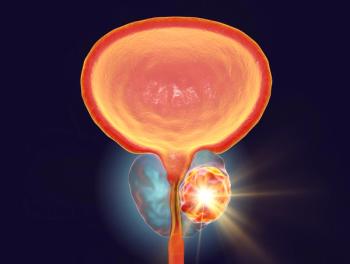
An aglatimagene besadenovec-based radiotherapy combination increased intratumoral lymphocyte fraction in intermediate- to high-risk localized prostate cancer.

The ROADS investigators reported no differences between cesium-131 tile-based radiation therapy and SRT in quality of life, functional status, or neurocognitive function.
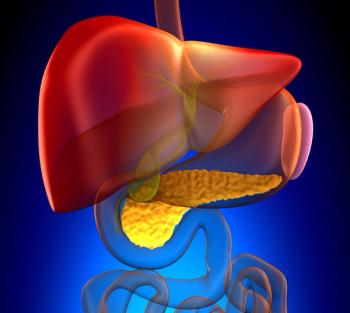
William A. Hall, MD, discussed the SOFT Preop study of preoperative SBRT vs conventional chemoradiation for pancreatic adenocarcinoma.
Chih-Yi “Andy” Liao, MD, discusses how oncologists are sequencing pemigatinib, futibatinib, and lirafugratinib and how their tolerability differs.

“It should be protocol that 100% of your patients with metastatic prostate cancer get germline testing. Full stop. No exceptions,” said Neal D. Shore, MD, FACS.
Chih-Yi “Andy” Liao, MD, discusses the FDA approval of lirafugratinib and what the field has learned about resistance to FGFR2 inhibitors.

In the phase 3 NRG-CC009 trial, SRS led to longer overall survival vs HA-WBRT plus memantine with similar neurocognitive failure in SCLC brain metastases.
Advertisement
Advertisement
Trending on CancerNetwork
1
BCMA/GPRC5D CAR T-Cell Therapy Shows Early Efficacy in R/R Multiple Myeloma
2
Aglatimagene Combo Shows Sustained Immune Remodeling in Prostate Cancer
3
What Does TALAPRO-3 Mean for Frontline Treatment of HRR-Altered mHSPC?
4
SBRT Matches Chemoradiation, Preserves QOL Before Pancreatic Surgery
5