

Opinion|Videos|February 6, 2026
Long-Term Reassurance and Practical Management of Continuous BTK Inhibition in CLL
Author(s)Ian Flinn, MD, PhD, Danielle Brander, MD
Experts discuss the promising long-term results of zanubrutinib for high-risk CLL patients, emphasizing the importance of upfront biomarker testing.
Advertisement
Episodes in this series
In this segment Drs. Flinn and Brander discuss how extended follow-up from the SEQUOIA study informs both patient reassurance and real-world management of continuous BTK inhibitor therapy, particularly with second-generation agents such as zanubrutinib. With some of the longest follow-up data available, especially in patients with del(17p), the findings provide greater confidence in long-term disease control for high-risk populations.
Dr. Brander explains that earlier two- to three-year datasets were insufficient to fully understand outcomes in patients with del(17p), TP53 mutations, or complex karyotypes. Now, with 5 to 6 years of follow-up, clinicians can better appreciate the durability and safety of continuous BTK inhibition, which helps alleviate anxiety for both providers and patients initiating frontline therapy. These data are especially valuable as clinicians weigh continuous treatment against emerging time-limited strategies.
The discussion then turns to long-term safety and monitoring. Both faculty emphasize that although second-generation BTK inhibitors have improved tolerability compared with first-generation ibrutinib, ongoing surveillance remains important. Dr. Flinn describes seeing patients every three months to monitor for late-emerging toxicities such as atrial fibrillation, hypertension, and cytopenias. Dr. Brander agrees, noting that closer follow-up is particularly important during the first six months of therapy, when laboratory abnormalities and patient education needs are most common.
Regarding dose modifications, both clinicians report that adjustments are now relatively uncommon with newer BTK inhibitors. Classic ibrutinib-associated toxicities such as arthralgias, myalgias, and gastrointestinal effects are seen far less frequently, and cytopenias are the most common reason for temporary dose holds or monitoring adjustments. Finally, they note that simplified tablet formulations may improve adherence and patient convenience, with minimal impact on clinical management. Overall, this discussion underscores how long-term data support both the efficacy and practical sustainability of continuous BTK inhibitor therapy in frontline CLL.
Advertisement
Related to this article

“When we give the most effective therapy at the time of new diagnosis, we get the most value out of the effort and time that we and our patients are spending,” said Neeraj Agarwal, MD, FASCO.

An aglatimagene besadenovec-based radiotherapy combination increased intratumoral lymphocyte fraction in intermediate- to high-risk localized prostate cancer.

The ROADS investigators reported no differences between cesium-131 tile-based radiation therapy and SRT in quality of life, functional status, or neurocognitive function.
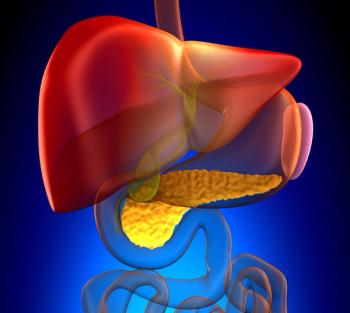
William A. Hall, MD, discussed the SOFT Preop study of preoperative SBRT vs conventional chemoradiation for pancreatic adenocarcinoma.
Chih-Yi “Andy” Liao, MD, discusses how oncologists are sequencing pemigatinib, futibatinib, and lirafugratinib and how their tolerability differs.

“It should be protocol that 100% of your patients with metastatic prostate cancer get germline testing. Full stop. No exceptions,” said Neal D. Shore, MD, FACS.
Chih-Yi “Andy” Liao, MD, discusses the FDA approval of lirafugratinib and what the field has learned about resistance to FGFR2 inhibitors.

In the phase 3 NRG-CC009 trial, SRS led to longer overall survival vs HA-WBRT plus memantine with similar neurocognitive failure in SCLC brain metastases.
Advertisement
Advertisement
Trending on CancerNetwork
1
BCMA/GPRC5D CAR T-Cell Therapy Shows Early Efficacy in R/R Multiple Myeloma
2
Aglatimagene Combo Shows Sustained Immune Remodeling in Prostate Cancer
3
What Does TALAPRO-3 Mean for Frontline Treatment of HRR-Altered mHSPC?
4
SBRT Matches Chemoradiation, Preserves QOL Before Pancreatic Surgery
5