
Opinion|Videos|February 13, 2026
Improving Referral Efficiency and Care Coordination for CAR T-Cell Therapy in Multiple Myeloma
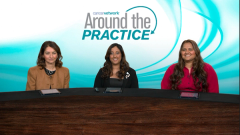
Panelists discuss how clearer communication and streamlined referral workflows (including dedicated navigation/support roles) can reduce uncertainty around scheduling, manufacturing timelines, and treatment capacity.
Advertisement
Episodes in this series

This segment outlines practical strategies to streamline referrals for CAR T-cell therapy in multiple myeloma, addressing common challenges faced by community clinicians such as appointment availability, manufacturing timelines, and treatment capacity. Dr. Raje emphasizes that early education for referring physicians is essential, since many still view CAR T as a late line option and delay referral unnecessarily. Clear, proactive communication channels between community practices and academic centers can reduce uncertainty and accelerate evaluation. Dedicated intake teams, nurse navigators, and social workers help coordinate scheduling, insurance authorization, and logistical planning so that consults and apheresis can occur more efficiently. Dr. Raje notes that expanding networks between myeloma centers and community oncologists has improved referral predictability, and future models aim to bring point of care manufacturing closer to patients. Consistent messaging about updated indications, earlier referral triggers, and streamlined scheduling processes can significantly reduce drop off and allow patients timely access to CAR T-cell therapy.
Advertisement
Related to this article

“When we give the most effective therapy at the time of new diagnosis, we get the most value out of the effort and time that we and our patients are spending,” said Neeraj Agarwal, MD, FASCO.

An aglatimagene besadenovec-based radiotherapy combination increased intratumoral lymphocyte fraction in intermediate- to high-risk localized prostate cancer.

The ROADS investigators reported no differences between cesium-131 tile-based radiation therapy and SRT in quality of life, functional status, or neurocognitive function.
William A. Hall, MD, discussed the SOFT Preop study of preoperative SBRT vs conventional chemoradiation for pancreatic adenocarcinoma.
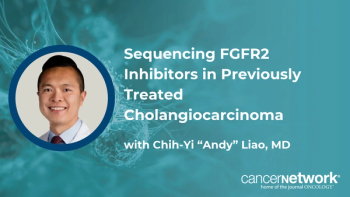
Chih-Yi “Andy” Liao, MD, discusses how oncologists are sequencing pemigatinib, futibatinib, and lirafugratinib and how their tolerability differs.
“It should be protocol that 100% of your patients with metastatic prostate cancer get germline testing. Full stop. No exceptions,” said Neal D. Shore, MD, FACS.
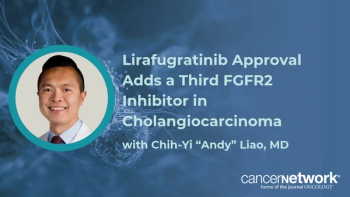
Chih-Yi “Andy” Liao, MD, discusses the FDA approval of lirafugratinib and what the field has learned about resistance to FGFR2 inhibitors.

In the phase 3 NRG-CC009 trial, SRS led to longer overall survival vs HA-WBRT plus memantine with similar neurocognitive failure in SCLC brain metastases.
Advertisement
Advertisement
Trending on CancerNetwork
1
BCMA/GPRC5D CAR T-Cell Therapy Shows Early Efficacy in R/R Multiple Myeloma
2
Aglatimagene Combo Shows Sustained Immune Remodeling in Prostate Cancer
3
What Does TALAPRO-3 Mean for Frontline Treatment of HRR-Altered mHSPC?
4
SBRT Matches Chemoradiation, Preserves QOL Before Pancreatic Surgery
5