

Long-term follow-up data continue to show that patients with lymph node–positive, HER2-positive early breast cancer at a high risk of recurrence derived notable, durable benefit from treatment with adjuvant pertuzumab, trastuzumab, and chemotherapy.

Your AI-Trained Oncology Knowledge Connection!

Hayley Virgil is a senior editor with CancerNetwork. When she isn't traveling to conferences and championing health equity in the oncology space, she can be found hiking, foraging wild plants, gardening, sewing ballgowns, practicing embroidery, or playing video games.
Long-term follow-up data continue to show that patients with lymph node–positive, HER2-positive early breast cancer at a high risk of recurrence derived notable, durable benefit from treatment with adjuvant pertuzumab, trastuzumab, and chemotherapy.
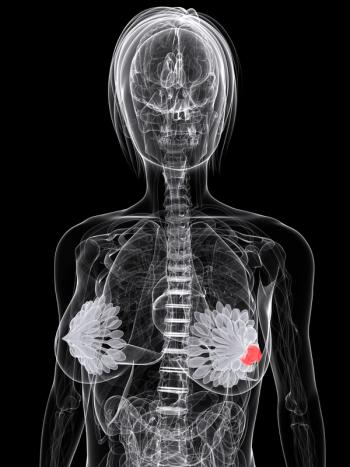
The FDA has allowed the phase 3 FLAMINGO-01 trial assessing GLSI-100 in patients with HER2/Neu-positive breast cancer and HLA-A*02 positive to proceed following concerns related to the manufacturing and pharmacy process.

Patients with ALK-positive inflammatory myofibroblastic tumors can now receive treatment with crizotinib following the agent’s approval by the FDA.

Several immune-related long noncoding RNA signatures—including PCAT19 and SCARNA9—may be associated with prognosis in patients with endometrial cancer, according to the new research.
The regulatory organization indicated that duvelisib induces increased risk of death or serious adverse effects in patients with chronic lymphocytic leukemia and small lymphocytic leukemia.

Enzalutamide monotherapy could be a promising alternative to active surveillance for patients with low- and intermediate-risk localized prostate cancer.
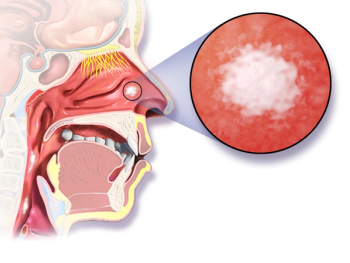
After receipt of a complete response letter in May 2022, a biologics license application for toripalimab monotherapy in the second line or later following platinum chemotherapy or in combination with chemotherapy in the first-line setting for advanced recurrent or metastatic nasopharyngeal carcinoma was resubmitted to and accepted by the FDA.
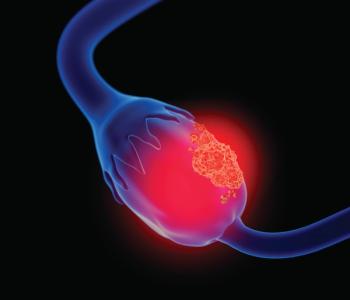
Patients with advanced newly diagnosed ovarian, tubal, or peritoneal cancer did not derive further survival benefit from maintenance chemotherapy, although a modest improvement in progression-free survival was observed compared with surveillance.
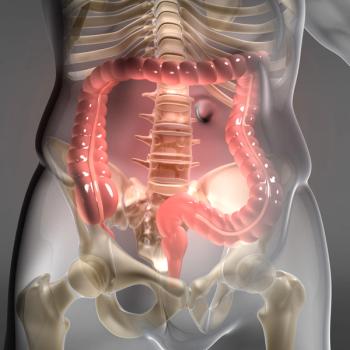
Patients with previously treated HER2-positive metastatic colorectal cancer experienced durable responses following treatment with tucatinib in combination with trastuzumab.
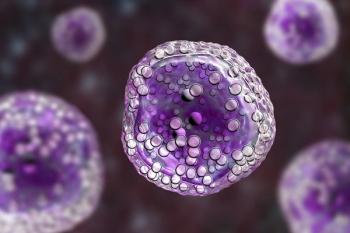
Patients with relapsed/refractory large B-cell lymphoma may benefit from treatment with epcoritamab, for which a biologics license application will be submitted to the FDA.
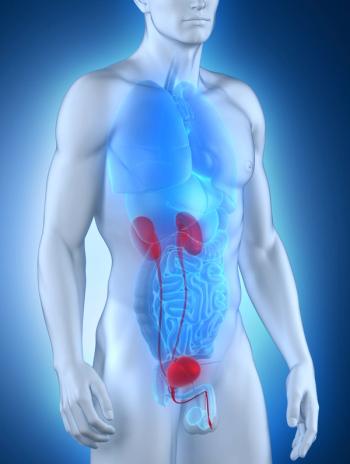
Belzupacap sarotalocan received fast track designation from the FDA for and will be assessed in a phase 1 clinical trial of patients with non–muscle invasive bladder cancer.

Patients with HER2-low unresectable or recurrent breast cancer in Japan could receive treatment with trastuzumab deruxtecan in the future if the newly submitted supplemental new drug application for this indication is approved.
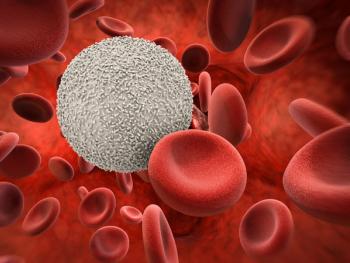
Patients with relapsed/refractory multiple myeloma who have received at least 4 prior lines of therapy might benefit from treatment with talquetamab, which was granted breakthrough therapy designation by the FDA.

According to long-term data, first-line treatment with procarbazine, lomustine, and vincristine chemotherapy plus radiotherapy offered prolonged disease control and survival benefit in anaplastic oligodendroglial tumors.
Punctual and kinetic minimal residual disease analysis could be a robust predictor of mantle cell lymphoma’s natural history and could represent an adaptable model for continuous patient risk assessment.

Key leaders in the oncology space discuss unique cancer risk factors, barriers to care, and ways in which institutions and organizations are creating more welcoming environments for individuals within the LGBTQ+ community.

Despite an increased risk of grade 5 toxicities, patients with human papillomavirus–related oropharyngeal squamous cell carcinoma who received primary transoral surgery and neck dissection vs radiotherapy experienced good swallowing outcomes at 1 year.

Patients with hormone receptor–positive, ERBB2-negative high-risk early breast cancer who received neoadjuvant chemotherapy and adjuvant abemaciclib plus endocrine therapy experienced invasive disease-free survival and distant relapse-free survival benefit vs those with adjuvant endocrine therapy alone.

After identifying several factors independently associated with the risk of breast cancer–related lymphedema following axillary lymph node dissection, investigators recommend further studies to examine biologic mechanisms behind racial and ethnic disparities within this space.

Patients with fully resected stage IIB or IIC melanoma can now receive treatment with pembrolizumab in the adjuvant setting following its approval by the European Commission.
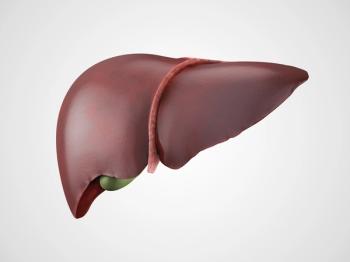
Individuals with nonalcoholic fatty liver disease–related hepatocellular carcinoma were found to have lower rates of surveillance vs other potential causes of disease.
Patients with previously untreated chronic lymphocytic leukemia experienced minimal residual disease negativity following treatment with venetoclax and ibrutinib.

Endometrial cancer survivors experienced clinically significant weight loss after participating in a behavioral weight loss program.
Patients with relapsed/refractory multiple myeloma experienced promising responses with REGN5458.
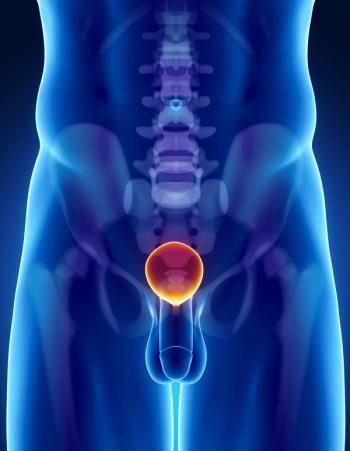
Treatment with 177Lu-PSMA-617 resulted in poor outcomes for patients with metastatic castration-resistant prostate cancer whose tumors had little to no prostate-specific membrane antigen expression.
Older patients with acute myeloid leukemia who were treated with decitabine experienced comparable outcomes vs daunorubicin and cytarabine.
The highly selective JAK inhibitor momelotinib is being considered for the treatment of patients with myelofibrosis by the FDA following submission of a new drug application for this indication.

Patients with gastrointestinal stromal tumors may benefit from 68GA-RM26 PET/CT vs 18F-FDG, according to findings presented at the 2022 Society of Nuclear Medicine & Molecular Imaging Annual Meeting.
Patients with heavily pretreated multiple myeloma appeared to benefit from treatment with talquetamab and daratumumab plus hyaluronidase-fihj.
Patients with treatment-naïve chronic lymphocytic leukemia who were treated with venetoclax and obinutuzumab with or without ibrutinib experienced a progression-free survival benefit compared with standard chemoimmunotherapy.