

Final COMBI-I data show a survival advantage with spartalizumab plus dabrafenib/trametinib over dabrafenib/trametinib alone in BRAF V600-mutant melanoma.
Final COMBI-I data show a survival advantage with spartalizumab plus dabrafenib/trametinib over dabrafenib/trametinib alone in BRAF V600-mutant melanoma.
Matthew Matasar, MD, outlined his wish list for AI in oncology, and detailed AI-bolstered tools already active across his 14-hospital health system.

Savolitinib/osimertinib significantly improved progression-free survival vs osimertinib alone as first-line treatment in the phase 3 SANOVO trial.

BioNTech has terminated a phase 2 trial of autogene cevumeran in ctDNA-positive, resected colorectal cancer after a DSMB found an overall survival imbalance.
Matteo S. Carlino, MD, PhD, FRACP, reviewed efficacy data for V940 plus pembrolizumab in resected melanoma.

Data from the phase 3 SURPASS ET trial supported the approval of ropeginterferon alfa-2b-njft for those with essential thrombocytopenia.

Daniel C. McFarland, DO, and Xiomara Rocha-Cadman, MD, discussed why oncologist well-being depends on reflection, mentorship, and peer connection.
Matthew Matasar, MD, explained why AI-assisted digital pathology may meaningfully improve diagnostic precision in hematologic malignancies.

ASCO’s first living guideline for recurrent ovarian cancer recommends platinum-based doublets, selective bevacizumab, and mirvetuximab soravtansine for FRα-positive platinum-resistant disease.
Matthew Matasar, MD, provided practical advice for oncologists who want to start testing generative AI and RAG tools in their own practice.

The FDA granted fast track designation to the ADC SOT106 for soft tissue sarcoma, with a first-in-human trial planned this year.
Results from the phase 3 VERIFY trial led to the approval of rusfertide in polycythemia vera.
Matteo S. Carlino, MD, PhD, FRACP, explains how the individualized neoantigen therapy V940 is designed and delivered in melanoma.
Matthew Matasar, MD, detailed how retrieval-augmented generation tools are already informing real tumor board decisions in hematologic malignancies.
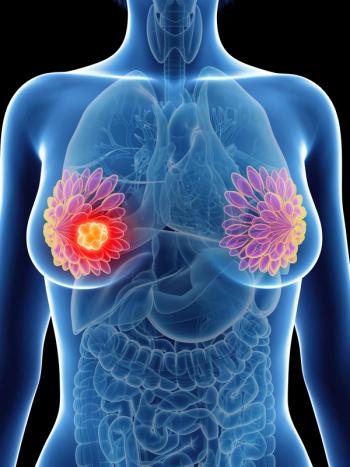
Paxalisib produced a 100% clinical benefit rate and an 83% objective response rate in patients with metastatic triple-negative breast cancer.

ASCO has issued a critical drug supply warning as some practices report just weeks of ifosfamide inventory remaining, with no direct substitute available.
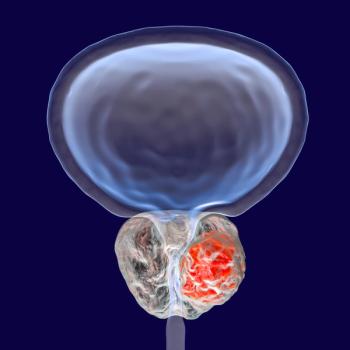
Enrollment for a phase 1 trial evaluating ADI-212, an armored allogeneic gamma delta 1 CAR T cell therapy, in metastatic CRPC is planned for Q4 2026.

Neoadjuvant botensilimab plus balstilimab produced major pathologic responses in 41% of pMMR and 100% of dMMR colorectal tumors in the phase 2 NEST trial.

Surbhi Sidana, MD, discusses the first CELMoD and first MRD-based approval, iberdomide, in relapsed/refractory multiple myeloma.

New CNS metastasis data link gabapentin to fewer brain mets, spotlight trial barriers, and show promise for intrathecal therapy and osimertinib.
Matthew Matasar, MD, discussed his role leading the division of blood disorders at Rutgers Cancer Institute amid a transformative era in immunotherapy.

In the final analysis of the phase 3 MAIA trial, daratumumab-based treatment yielded a median overall survival of 90.3 months in transplant-ineligible NDMM.
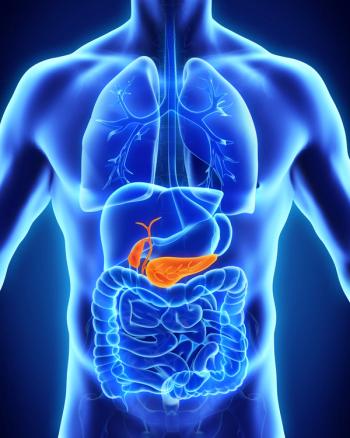
According to Nicholas Hornstein, MD, PhD, daraxonrasib is “the first ever effective systemic therapy for pancreas cancer that is not a chemotherapy.”
Final phase 1/1b data for soquelitinib in T-cell lymphoma showed a 37.5% ORR and a 28.1-month median OS in patients who received 1 to 3 prior lines of therapy.
The regulatory submission to expand the gedatolisib label to HR+/HER2-, PIK3CA-mutant advanced breast cancer is based on positive VIKTORIA-1 trial data.

Josef Vymazal, MD, DSc, discusses a prospective study comparing delayed single- and double-dose gadopiclenol MRI for detecting small brain metastases.
Surbhi Sidana, MD, discusses how CELMoDs like iberdomide could complement CAR T and bispecific antibody therapy.
The FRα-directed ADC rinatabart sesutecan showed disease control regardless of biomarker status and is now under investigation in the phase 3 RAINFOL-03 trial.
Ayal Aizer, MD, MHS, describes an adaptive planning trial using synthetic CT to improve same-day treatment accuracy for anatomically unstable brain metastases.

Oncology experts discussed the wide-ranging benefits of exercise in oncology care, including enhanced treatment efficacy, minimal AEs, and minimal expenses.