




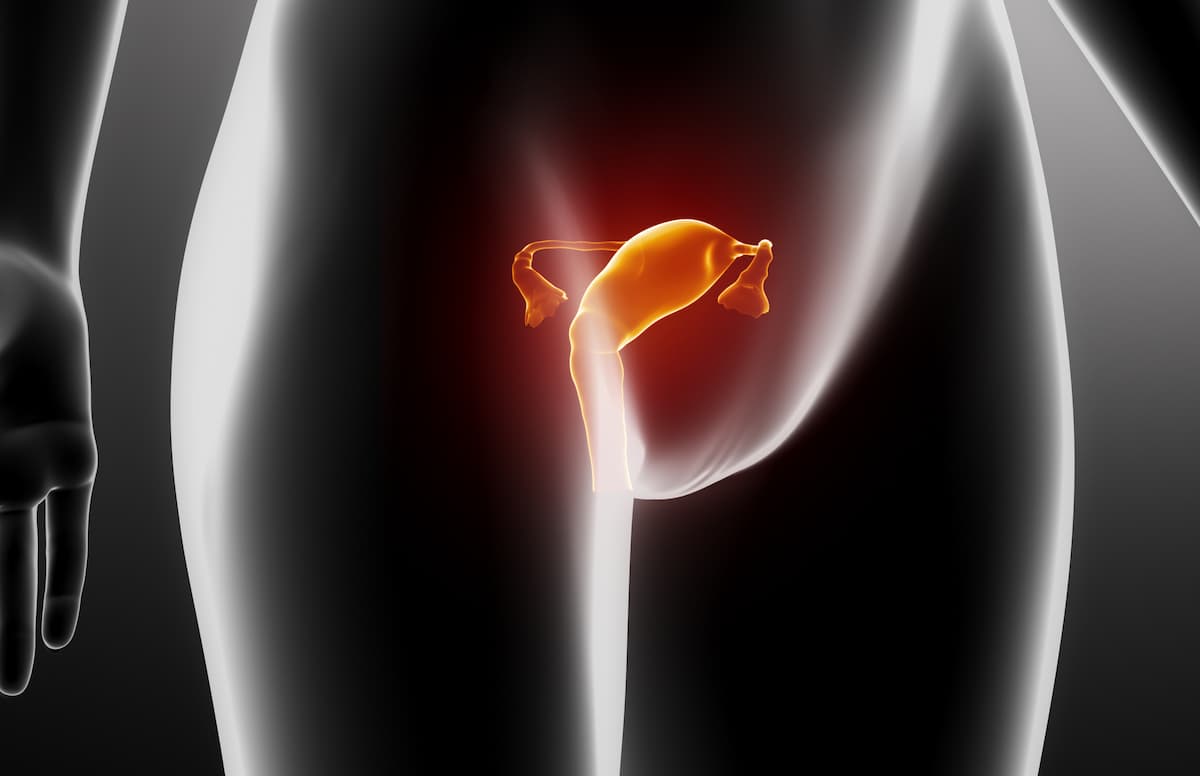

Gynecologic Cancers
Latest News
Advertisement
Latest Videos





Podcasts









CME Content































Advertisement
More News

Genetic testing for ovarian cancer may help inform treatment decisions for patients with advanced disease, particularly regarding PARP inhibitor use.
Findings from a phase 1 trial and the REJOICE-Ovarian01 trials supported the FDA’s decision to grant the designation to R-DXd in those with gynecologic cancers.

The FDA has assigned a Prescription Drug User Fee Act date of July 11, 2026, for relacorilant as a treatment for platinum-resistant ovarian cancer.

Patients with recurrent or metastatic cervical cancer in Hong Kong are now eligible to receive treatment with tisotumab vedotin.

Results from the phase 3 MIRASOL trial led to the approval of mirvetuximab soravtansine for patients with FRα+ ovarian cancer.
Patients with FRα+, platinum-resistant high-grade serous epithelial ovarian, fallopian tube, or primary peritoneal cancer may now be eligible for mirvetuximab soravtansine in the UK.
Among 115 patients treated with avutometinib and defactinib, only 5 deaths occurred in the study, none of which were related to study treatment.
The use of 68Ga pentixafor complements fluorodeoxyglucose and had no correlation with CXCR4 immunohistochemistry.
More than 80% of patients who were screened for cervical cancer and provided with a self-collection kit did so by utilizing the kit.
For patients with unresectable vulvar cancer, an improved ORR was observed with pembrolizumab plus cisplatin and RT followed by maintenance pembrolizumab.

Less radical surgery did not come at the expense of postoperative metrics, including 30-day readmissions, surgical findings, or receipt of adjuvant therapy.

Experts in gynecologic cancer, genitourinary malignancies, and other disciplines highlight noteworthy clinical data slated for presentation at ASCO 2025.

The phase 3 ROSELLA trial results assessing relacorilant/nab-paclitaxel in patients with platinum-resistant ovarian cancer will support an upcoming NDA.

Select comorbidities, ECOG status, and the receipt of radiation were among the differences between a real-world cohort and the RUBY trial population.

Certain subpopulations experienced significantly poorer outcomes in 2020, highlighting concerns regarding access to care.
Socioeconomic or racial disparities may contribute to unchanged overall survival among certain patients with metastatic uterine cancer.

Despite all groups completing chemoradiation within 56 days, delays contributed to a nonsignificant difference in length between Black vs White patients.

The adverse effect profile of abemaciclib plus hormonal therapy was comparable with prior reports of CDK4/6 inhibitors.

Low grade serous ovarian cancer, a rare epithelial ovarian cancer subtype, requires differentiated treatment from its high-grade counterpart.
Puxitatug samrotecan was well tolerated in patients with advanced or metastatic endometrial cancer.

A slightly higher complete response rate was observed with the metformin regimen vs with the levonorgestrel-releasing IUD alone in endometrial cancer.
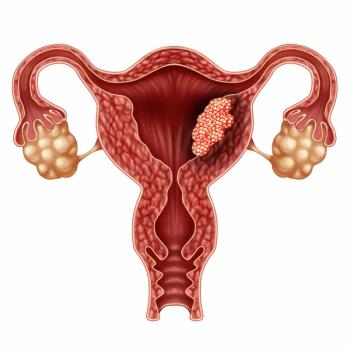
No deaths or significant adverse effects were reported in the screened population among those who received hysteroscopic resection for endometrial cancer.

Mirvetuximab soravtansine additionally showcased PFS, ORR, and DOR benefits over chemotherapy in FRα-positive platinum-resistant ovarian cancer.
The phase 2 trial is currently accruing additional patients with advanced mesonephric gynecologic cancer for treatment with avutometinib/defactinib.
The 2025 SGO meeting will feature readouts of potentially impactful trial data in ovarian cancer, cervical cancer, and other gynecologic malignancies.
Advertisement
Advertisement
Trending on CancerNetwork
1
Modifiable Risk Factors Suggest Potential for Improving Cancer Prevention
2
2026 Tandem Meetings: What’s the Latest Research in Multiple Myeloma?
3
Dato-DXd Receives Priority Review in Unresectable/Metastatic TNBC
4
Barriers to CAR T-Cell Referral and Center Access in Multiple Myeloma
5