




Leukemia
Latest News
Advertisement
Latest Videos



CME Content































Advertisement
More News
This study conducted within the phase 3 AML17 and AML19 trials revealed an OS rate of 69% in patients monitored for MRD and 58% in those not monitored.
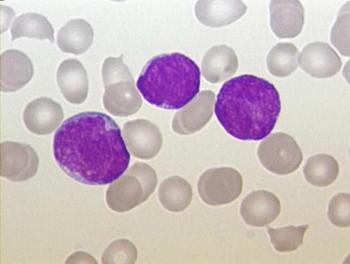
Results from the phase 3 AMPLIFY trial showed that acalabrutinib plus venetoclax, with or without obinutuzumab, prolonged PFS vs chemoimmunotherapy in CLL.
Univariate and multivariate analyses showed no significant association between statin use and grade 3 or higher toxicities in patients with CLL or SLL.
A network meta-analysis of 3 clinical trials sought to compare zanubrutinib vs approved BTKis in relapsed/refractory chronic lymphocytic leukemia.
Tambiciclib was well tolerated in patients with acute myeloid leukemia with myelodysplastic-related changes, and no new safety signals were observed.
Recipients of hematopoietic stem cell transplantation may benefit from psychosocial interventions and supportive care following their procedure.
Results from the RAINIER trial showed that mipletamig, venetoclax, and azacitidine achieved a complete remission rate of 90% in patients with AML.

Clinical guidelines aimed at both clinicians and patients seek to educate and include both parties in clinical decision-making processes.
Pirtobrutinib demonstrated PFS benefit compared with standard of care in patients with relapsed or refractory CLL in the BRUIN CLL-321 trial.

Both clinicians and patients should have as much information as possible to participate in shared decision-making for CLL care, says Jacob D. Soumerai, MD.

Sequencing different treatments in the first 3 lines of therapy represents a challenge in chronic lymphocytic leukemia, according to Deborah Stephens, DO.
Results from the FELIX study showed that obe-cel induces high rates of MRD-negative remission in relapsed/refractory B-ALL, leading to improved EFS and OS.
The analysis saw minimal evidence of increased relapse among patients with hematologic cancers and minimal residual disease vs those without.
Obe-cel shows efficacy in R/R B-ALL, especially in those with a favorable CAR-HT risk profile, according to data from the phase 1/2 FELIX study.
A total of 3 patients with AML treated with the lowest dose of tuspetinib at 40 mg completed the first cycle of treatment with no dose-limiting toxicities.
Early INB-100 results showed the potential to achieve durable remissions and improve survival in patients with complex leukemias, particularly AML.
Ziftomenib elicited positive responses in patients with NPM1-mutant acute myeloid leukemia, meeting the primary end point of the phase 2 KOMET-001 trial.
Interim phase 3 results revealed a median survival of at least 13.5 months with galinpepimut-S vs 6 months with standard of care in acute myeloid leukemia.
At a median follow-up of 61.2 months, zanabrutinib demonstrated superior PFS vs bendamustine and rituximab in patients with CLL and SLL.
Uproleselan plus chemotherapy did not demonstrate clinical benefit over chemotherapy alone, though did show an acceptable safety profile.

Researchers at Stanford University have conducted a phase 1 clinical trial evaluating the combination of a bispecific CAR T-cell therapy targeting CD19 and CD22 with NKTR-255.
In the phase 1b/2 FELIX study, obecabtagene autoleucel was associated with low incidence of grade 3 or higher immune-related toxicity.
Median duration on bezuclastinib was 56 weeks vs 40 weeks for placebo in non-advanced systemic mastocytosis, the phase 2 Summit trial reported.
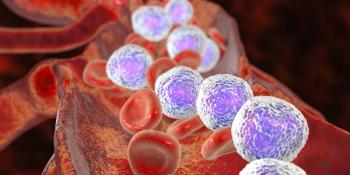
From 2013 to 2022, the rate of important identified risks associated with ponatinib in the treatment of those with ALL or CML had decreased.
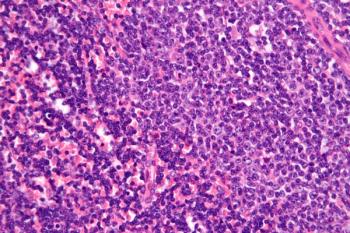
Data shown at ASH 2024 demonstrated higher OS rates with anti-CD20 antibodies in patients with chronic lymphocytic leukemia and small lymphocytic lymphoma.
Advertisement
Advertisement
Trending on CancerNetwork
1
Modifiable Risk Factors Suggest Potential for Improving Cancer Prevention
2
2026 Tandem Meetings: What’s the Latest Research in Multiple Myeloma?
3
Dato-DXd Receives Priority Review in Unresectable/Metastatic TNBC
4
Barriers to CAR T-Cell Referral and Center Access in Multiple Myeloma
5