




Bladder Cancer
Latest News
Advertisement
Latest Videos


CME Content
































Advertisement
More News
Oncology Decoded provides the current management of metastatic bladder cancer, recent advancements in systemic therapy, patient selection, and AE mitigation.

The latest in first- and second-line therapies for bladder cancer, including trial data, AE management, and the role of molecular testing, were discussed in the latest Oncology Decoded podcast.
Patients with cisplatin-ineligible bladder cancer who received enfortumab vedotin plus pembrolizumab and surgery had prolonged survival vs those who received surgery alone.
Adverse reactions in the phase 3 ENVISION trial were largely mild to moderate in severity, and serious reactions occurred in 12% of those with NMIBC.
Manojkumar Bupathi, MD, MS, and Benjamin Garmezy, MD, focus on treatment options for patients with urothelial carcinoma.
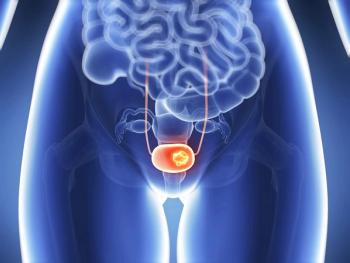
Phase 2b SunRISe-1 trial findings supported the FDA to grant priority review to TAR-200 in BCG-unresponsive high-risk NMIBC with carcinoma in situ.
The phase 3 UTOPIA trial has enrolled a total of 99 patients with low-grade intermediate-risk NMIBC to receive UGN-103.
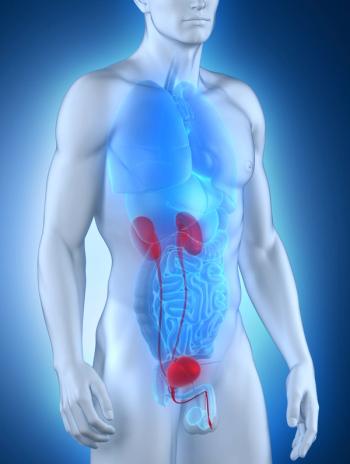
Use of the novel artificial intelligence–based test may provide a painless, low-cost alternative in bladder cancer screening.

Detalimogene voraplasmid demonstrated a 71% anytime CR rate in this non–muscle-invasive bladder cancer population in the phase 1/2 LEGEND trial.
Considering which non–muscle-invasive bladder cancer cases may be cured by surgery alone may help mitigate overtreatment in this patient group.
Event-free survival benefit was observed among BCG-naive patients with carcinoma in situ undergoing treatment with sasanlimab plus BCG.

Data from the phase 3 ENVISION trial support the FDA approval of the mitomycin solution for patients with recurrent, low-grade, intermediate-risk NMIBC.
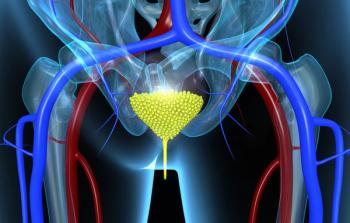
Data from the ENVISION trial may support UGN-102 as a well-tolerated, efficacious treatment in non–muscle-invasive bladder cancer.
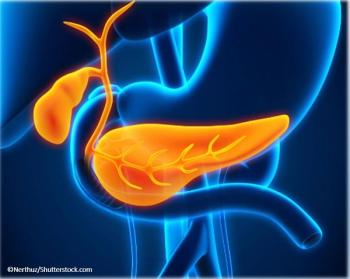
A combination of BCG and mitomycin offers a comparable treatment option to BCG monotherapy for NMIBC, potentially lessening the impact of global BCG shortages.
Sasanlimab plus BCG significantly improved event-free survival in BCG-naïve, high-risk NMIBC patients, with notable benefit in carcinoma in situ and T1 tumors.
!["Given the superior efficacy of [chemoimmunotherapy], it holds promise as a first-line neoadjuvant therapy for MIBC, providing greater benefits to patients," according to the study authors.](https://cdn.sanity.io/images/0vv8moc6/cancernetwork/481e483e3d7f2b45988df26b6d358730cc4c7acb-1200x800.jpg?w=350&fit=crop&auto=format)
Real-world data may support chemotherapy plus immune checkpoint blockade as a promising frontline neoadjuvant therapy for muscle-invasive bladder cancer.

ODAC has voted against the use of UGN-102 intravesical solution for patients with advanced bladder cancer.
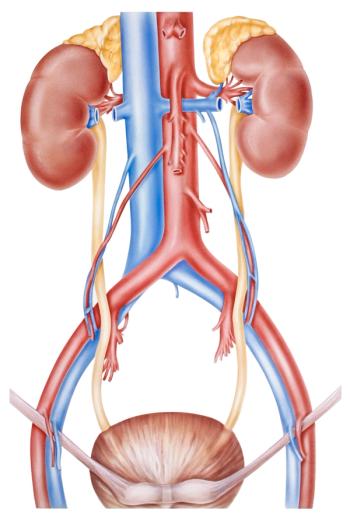
Treatment with disitamab vedotin and toripalimab improves survival regardless of cisplatin eligibility or HER2 expression level in the phase 3 RC48-C016 trial.
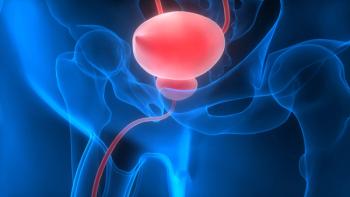
Data from the POTOMAC trial evaluating durvalumab in NMIBC will be presented at a future medical meeting and shared with global regulatory authorities.

A new type of robotic posterior surgery has been shown to be a treatment option for patients with devastated bladder outlets.
Results from cohort 4 of the phase 2 SunRISe-1 trial showed TAR-200 elicited a 6- and 9-month DFS rate of 85.3% and 81.1%, respectively, in BCG-unresponsive NMIBC.
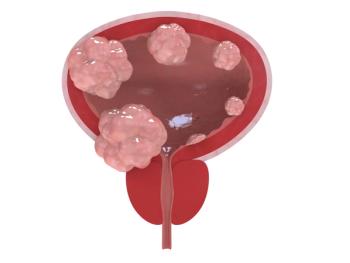
The FDA refuses to file the sBLA for nogapendekin alfa inbakicept plus BCG in BCG-unresponsive NMIBC with papillary disease without carcinoma in situ.
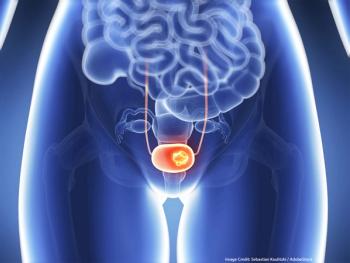
Results from the phase 3 ENVISION trial suggest UGN-102 could be a non-surgical alternative to TURBT for recurrent low-grade intermediate-risk NMIBC.
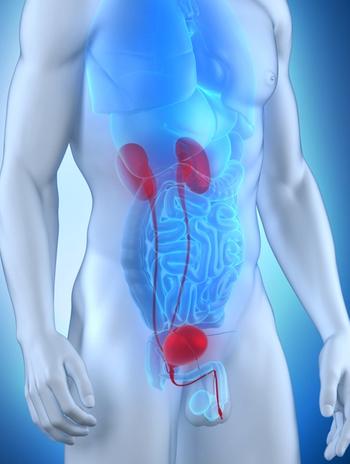
Data from cohort 4 of the phase 2 SunRISe-1 trial demonstrate durable DFS with TAR-200 in BCG-unresponsive, papillary-only, high-risk non–muscle-invasive bladder cancer.
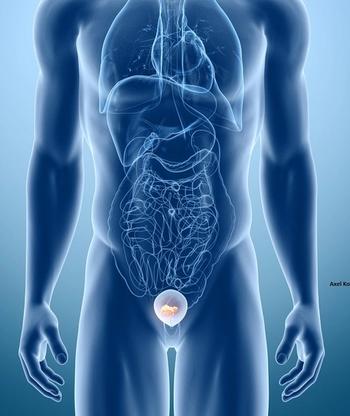
Nogapendekin alfa inbakicept plus BCG led to a CR rate of 71%, with 60% of responders maintaining their response for at least 12 months, in patients with bladder carcinoma in situ.
Advertisement
Advertisement
Trending on CancerNetwork
1
Modifiable Risk Factors Suggest Potential for Improving Cancer Prevention
2
2026 Tandem Meetings: What’s the Latest Research in Multiple Myeloma?
3
Dato-DXd Receives Priority Review in Unresectable/Metastatic TNBC
4
Barriers to CAR T-Cell Referral and Center Access in Multiple Myeloma
5