




Prostate Cancer
Latest News
Advertisement
Latest Videos




CME Content



























Advertisement
More News
Results from the ARANOTE trial support the supplemental new drug application for darolutamide/ADT in metastatic hormone-sensitive prostate cancer.
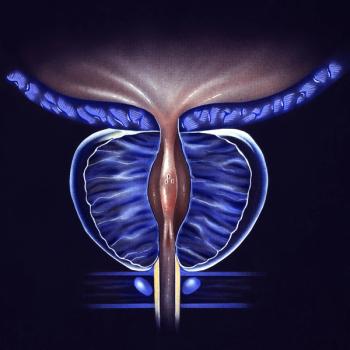
Significant survival benefits were observed with Radium-223 plus enzalutamide in patients with metastatic castration-resistant prostate cancer.
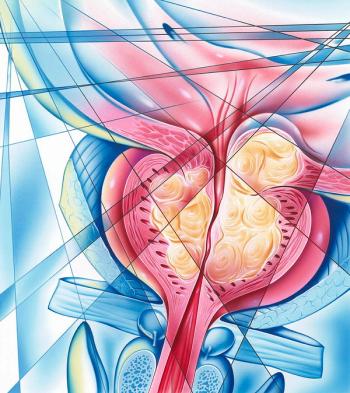
Recent FDA approval of the companion diagnostics may help improve personalized treatment decision-making for patients with prostate cancer.
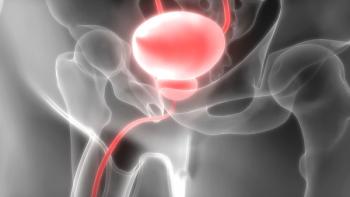
A combined genomic and histological analysis within trial datasets demonstrates a sound tumor evaluation strategy for patients with prostate cancer.
![“The machine learning algorithms based on pure clinical data aren’t any better, [but] that’s where prostate cancer algorithms are starting to shine,” said James B. Yu, MD, MHS, FASTRO.](https://cdn.sanity.io/images/0vv8moc6/cancernetwork/330ffaf0cf1c409a14da3ba3004d2e095104d54d-6630x5000.jpg?w=350&fit=crop&auto=format)
“The machine learning algorithms based on pure clinical data aren’t any better, [but] that’s where prostate cancer algorithms are starting to shine,” said James B. Yu, MD, MHS, FASTRO.
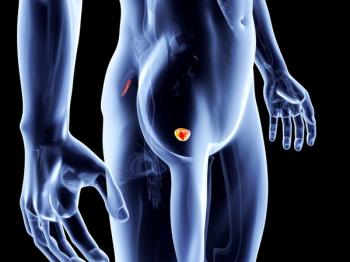
Developers plan to submit data from the ARANOTE trial to global regulatory health authorities to expand indications for darolutamide in metastatic HSPC.

A phase 1 trial assessed the use of PSCA-directed CAR T cells in patients with metastatic castration-resistant prostate cancer.

Findings from a phase 1 study may inform future trial designs intended to yield longer responses with PSCA-targeted CAR T cells.

A phase 1 trial assessed the use of PSCA-directed CAR T cells in patients with metastatic castration-resistant prostate cancer.
In addition to tissue biopsy, a liquid biopsy test can be used to better identify patients who may benefit from niraparib and abiraterone acetate.

AI tools may show utility in areas such as prostate diagnostic imaging, pathology, and treatment outcome predictions.
In a phase 1 trial, City of Hope’s CAR T-cell therapy showed minimal adverse effects and promising therapeutic activity for advanced prostate cancer.
Compared with cognitively-defined and hemigland contours, AI-assisted cancer contours delivered a greater balanced accuracy rate.
CHAARTED2 trial showed an improved progression-free survival in patients with metastatic castration-resistant prostate cancer treated with cabazitaxel, abiraterone acetate, and prednisone.
Investigators aim to identify a clinically useful and safe dose of Illuminare-1 for future studies in surgical cancer care.

Artificial intelligence use in prostate cancer encompasses 4 main areas including diagnostic imaging, prediction of outcomes, histopathology, and treatment planning.
Data from a phase 2 study may support apalutamide plus androgen deprivation in high-risk localized prostate cancer following radical prostatectomy.
Findings support the use of 18F-PSMA-1007 PET/CT in the preoperative workflow of intermediate- and high-risk prostate cancer.
Functional consequences appeared to be lower with HIFU compared with radical prostatectomy in a prospective trial.
Those with high-risk biochemical recurrent non-metastatic hormone-sensitive prostate cancer can now receive enzalutamide in the European Union.
Two women in genitourinary oncology discuss their experiences with figuring out when to begin a family and how to prioritize both work and children.

Over the past few decades, the prostate cancer space has evolved with increased funding for clinical trial creation and enrollment.

Mary-Ellen Taplin, MD, gives her advice on how to achieve work-life balance and make other career advancements in genitourinary cancer.
The positive opinion is supported by findings from the phase 3 EMBARK trial assessing enzalutamide in patients with biochemically recurrent prostate cancer.
Leonard G. Gomella, MD, FACS, discusses new clinical trials that are evaluating novel targeted therapy options for those with prostate cancer.
Advertisement
Advertisement
Trending on CancerNetwork
1
Modifiable Risk Factors Suggest Potential for Improving Cancer Prevention
2
Barriers to CAR T-Cell Referral and Center Access in Multiple Myeloma
3
2026 Tandem Meetings: What’s the Latest Research in Multiple Myeloma?
4
Real World Outcomes of CAR T-Cell Therapy in Multiple Myeloma Including Older and Comorbid Patients
5