





![A statistically significant benefit in terms of radiographic progression-free survival (rPFS) was noted with the use of olaparib (Lynparza) vs placebo in combination with abiraterone acetate (Zytiga) for patients with frontline metastatic castration-resistant prostate cancer (mCRPC), according to results of the phase 3 PROpel trial (NCT03732820) that were presented at the 2022 Genitourinary Cancers Symposium.1 The median investigator-assessed rPFS was 24.8 months with olaparib/abiraterone vs 16.6 months with placebo/abiraterone (HR, 0.66; 95% CI, 0.54-0.81; P <.0001), which translated to a 34% reduction in the risk of radiographic disease progression or death. The 1- and 2-year rPFS rates were 71.8% and 51.4% in the olaparib/abiraterone arm, respectively; these rates were 63.4% and 33.6% with placebo/abiraterone, respectively. When evaluated by blinded independent central review, the median rPFS with olaparib/abiraterone was 27.6 months vs 16.4 months with placebo/abiraterone, leading to a 39% reduction in the risk of radiographic disease progression or death (HR, 0.61; 95% CI, 0.49-0.74; P <.0001). The 1- and 2-year rPFS rates with olaparib plus abiraterone were 73.8% and 53.7%, respectively. In the placebo/abiraterone arm, these rates were 60.6% and 34.1%, respectively. Lead study author Fred Saad, MD, FRCS, said that PROpel is the first combination approach to deliver consistent clinical benefits for patients in the first-line mCRPC setting, irrespective of homologous recombination repair (HRR) mutation status. “This benefit led to what I think is the longest rPFS we have seen to date in metastatic CRPC beyond 2 years,” Saad, who is professor and chairman of urology and director of Genitourinary Oncology at the University of Montreal Hospital Center, as well as the Raymond Garneau Chair in Prostate Cancer Research and director of Clinical Research and the Molecular Oncology Research Laboratory in Prostate Cancer, said in a presentation during the meeting. Patients with mCRPC who are treated in the frontline setting have a median survival of approximately 3 years in clinical trial settings, Saad noted, adding that about half of patients in real-world practice only receive 1 line of active treatment. Here, the median survival is less than 2 years, underscoring an unmet need to improve outcomes in the up-front setting. Previously, data with olaparib in mCRPC have shown encouraging results. The phase 3 PROfound trial (NCT02987543) demonstrated significantly prolonged rPFS and overall survival (OS) in patients with mCRPC following a next-generation hormonal agent (NHA) with HRR gene alterations.2 Additionally, a phase 2 trial (NCT01972217) of olaparib and abiraterone showed prolonged investigator-assessed rPFS vs placebo/abiraterone in patients with mCRPC following treatment with docetaxel, regardless of HRR status (HR, 0.65; 95% CI, 0.44-0.97; P = .034).3 In the international, double-blind, phase 3 PROpel trial, investigators randomized patients with mCRPC in the first-line setting 1:1 to receive olaparib at 300 mg twice daily plus abiraterone at 1000 mg daily (n = 399) or placebo and abiraterone at 1000 mg daily (n = 397). Patients could have received docetaxel in the metastatic hormone-sensitive prostate cancer (mHSPC) setting, but no prior abiraterone was allowed. Other NHAs were permitted if they were stopped at least 12 months prior to study enrollment. Patients also had ongoing androgen deprivation therapy and an ECOG performance status of 0 or 1. Stratification factors included site of distant metastases (bone-only vs visceral vs other) and prior taxane in the mHSPC setting (yes vs no). The primary end point was investigator-assessed rPFS, with OS as a secondary end point. Additional outcome measures included time to first subsequent therapy or death (TFST), time to second progression or death (PFS2), objective response rate (ORR), HRR mutation prevalence (retrospective testing), health-related quality of life, and safety and tolerability. Baseline characteristics were well-balanced between the 2 arms. The median age was 69.5 years (range, 43-91), and most patients had an ECOG performance status of 0 (70.1%). Of note, symptomatic patients (Brief Pain Inventory-Short Form ≥4 and/or opiate use) comprised 25.8% and 20.2% of olaparib- and placebo-treated patients, respectively; 22.5% of patients had received docetaxel at the mHSPC stage. Additionally, patients either had HRR mutations (27.8% with olaparib vs 29.0% with placebo), non-HRR mutations (69.9% vs 68.8%, respectively), or unknown HRR mutation status (2.3% each). The median PSA was 17.90 ug/L (interquartile range [IQR], 6.09-67.00) with olaparib/abiraterone and 16.81 ug/L (IQR, 6.26-53.30) with placebo/abiraterone. Most metastases occurred in the bone at 87.5% and 85.4% of patients, respectively. Additional findings showed that the rPFS benefit was observed across all prespecified subgroups, including age (<65 years, HR, 0.51; 95% CI, 0.35-0.75; ≥65 years, HR, 0.78; 95% CI, 0.62-0.98), site of distant metastases (bone-only, HR, 0.73; 95% CI, 0.54-0.98; visceral, HR, 0.62; 95% CI, 0.39-0.99; other, HR, 0.62; 95% CI, 0.44-0.85) prior docetaxel (yes, HR, 0.61; 95% CI, 0.40-0.92; no, HR, 0.71; 95% CI, 0.56-0.89) and HRR mutation status (HRR mutant, HR, 0.50; 95% CI, 0.34-0.73; non–HRR mutant, HR, 0.76; 95% CI, 0.60-0.97). “We did do a global interaction test, which was not significant,” Saad added. OS data, which were at 28.6% maturity, showed that the median OS was not reached in either arm but trended toward improved survival with olaparib/abiraterone vs placebo/abiraterone (HR, 0.86; 95% CI, 0.66-1.12; prespecified 2-sided alpha P = .29). TFST also was favored with the addition of olaparib. The median TFST was 25.0 months in the olaparib/abiraterone arm compared with 19.9 months with placebo/abiraterone (HR, 0.74; 95% CI, 0.61-0.90; P = .004). Furthermore, the median PFS2 was not reached in either arm, but supported longer-term benefit with olaparib/abiraterone (HR, 0.69; 95% CI, 0.51-0.94; P = .0184). When evaluated for response, the ORR with olaparib plus abiraterone was 58.4% with a 4.3% complete response (CR) rate and a 54.0% partial response (PR) rate. The stable disease (SD) rate was 26.1% and the progressive disease (PD) rate was 13.7%. In the placebo/abiraterone arm, the ORR was 48.1%, which comprised a 6.3% CR rate and a 41.9% PR rate; the SD and PD rates were 28.1% and 19.4%, respectively. The odds ratio in ORR between olaparib/abiraterone and placebo/abiraterone was 1.60 (95% CI, 1.02-2.53; P = .0409). Saad noted that 40.3% of the overall study population had measurable disease via RECIST v1.1 criteria at baseline. Regarding safety, adverse effects (AEs) occurred in 97.2% and 94.9% of olaparib/abiraterone- and placebo/abiraterone-treated patients, respectively; grade 3 or higher AEs occurred in 47.2% and 38.4% of patients, respectively. AE-related deaths occurred in 4.0% (n = 16) of those on the olaparib arm compared with 4.3% (n = 17) of patients on the placebo arm. Dose interruptions and reductions occurred in 44.7% and 20.1% of patients who received the addition of olaparib; these rates were 25.3% and 5.6% for those on the placebo arm. Additionally, more patients discontinued olaparib due to an AE (13.8%) compared with 7.8% of patients receiving placebo. A total of 8.5% and 8.8% of patients in each arm, respectively, discontinued abiraterone due to an AE. There were no cases reported of myelodysplastic syndrome or acute myeloid leukemia, and the incidence of new primary cancers and pneumonitis were balanced between the 2 arms, Saad said. The AE profiles were consistent with the known toxicity profiles of the individual agents. The most common all-grade and grade 3 or higher AE with olaparib was anemia (46.0% and 15.1%, respectively). In the placebo arm, this occurred in 16.4% and 3.3% of patients, respectively. Cardiac failure occurred at similar rates between the 2 arms at 1.5% with olaparib and 1.3% with placebo; arterial thromboembolic events were also similar at 2.0% and 2.5%, respectively. However, numerically higher venous thromboembolic events were reported for olaparib/abiraterone (7.3%) vs placebo/abiraterone (3.3%), with pulmonary embolism being the most reported venous thromboembolic event (6.5% vs 1.8%, respectively). Pulmonary embolism events were mostly incidental findings via CT scans, and Saad added that this did not lead to treatment discontinuation with either olaparib or abiraterone. Quality of life was also found to be comparable between the 2 groups. References Saad F, Armstrong AJ, Thiery-Vuillemin A, et al. PROpel: phase III trial of olaparib (ola) and abiraterone (abi) versus placebo (pbo) and abi as first-line (1L) therapy for patients (pts) with metastatic castration-resistant prostate cancer (mCRPC). J Clin Oncol. 2022;40(suppl 6):11. doi:10.1200/JCO.2022.40.6_suppl.011 Hussain M, Mateo J, Fizazi K, et al. Survival with olaparib in metastatic castration-resistant prostate cancer. N Eng J Med. 2020;383(24):2345-2357. doi:10.1056/NEJMoa2022485 Clarke N, Wiechno P, Alekseev B, et al. Olaparib combined with abiraterone in patients with metastatic castration-resistant prostate cancer: a randomised, double-blind, placebo-controlled, phase 2 trial. Lancet Oncol. 2018;19(7):975-986. doi:10.1016/S1470-2045(18)30365-6](https://cdn.sanity.io/images/0vv8moc6/cancernetwork/d97c82ab46f3114f8f67bcbafa061ef7adad240a-1200x900.jpg)

Prostate Cancer
Latest News
Advertisement
Latest Videos


CME Content

































Advertisement
More News
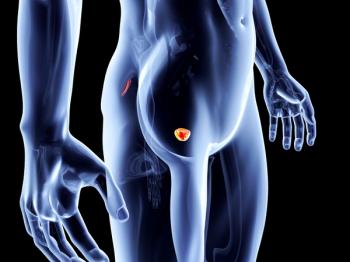
Patients with metastatic castration-resistant prostate cancer were observed to have a tolerable safety profile when treated with darolutamide.
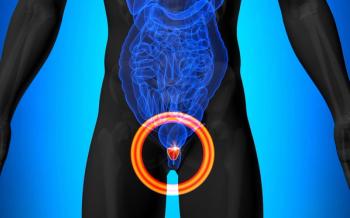
Data reported from the phase 3 SPOTLIGHT trial of the novel theranostic 18F-rhPSMA-7.3 at 2022 ASCO GU show “excellent image quality” for prostate cancer recurrence detection, according to expert.
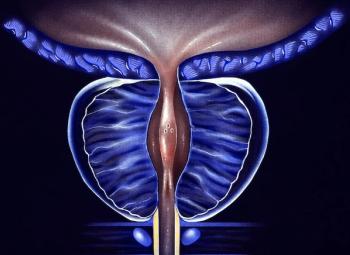
Results from the TITAN trial that were presented at 2022 ASCO GU showed a link between deep PSA responses with apalutamide and patient-related outcomes.

Data presented at 2022 ASCO GU of niraparib-based therapy for patients with metastatic castration-resistant prostate cancer showed a boost in radiographic progression-free survival vs matched placebo.

Data from the ARASENS trials that were presented at 2022 ASCO GU show superior survival outcomes with darolutamide vs placebo plus ADT and docetaxel.
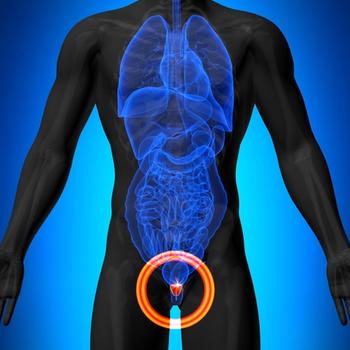
The phase 3b PRESIDE trial showed significant progression-free survival improvement when men with chemotherapy-naïve metastatic castration-resistant prostate cancer were treated with a regimen of continuous enzalutamide vs placebo.

Patients with metastatic castration-sensitive prostate cancer experienced an early and robust reduction in prostate-specific antigen of 90% or more following treatment with apalutamide vs enzalutamide.
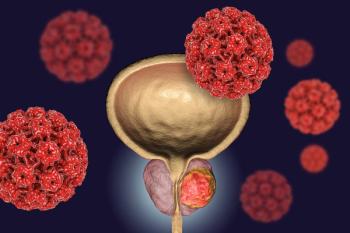
Data from the ARAMIS trial that were presented at 2022 ASCO GU showed that darolutamide benefit for patients with nonmetastatic castration-resistant prostate cancer was consistent regardless of the number of comorbidities or concomitant medications.
Eleni Efstathiou, MD, PhD, spoke about the treatment combination of niraparib plus abiraterone acetate and prednisone for the treatmeant of men with metastatic castration-resistant prostate cancer in the phase 3 MAGNITUDE trial.
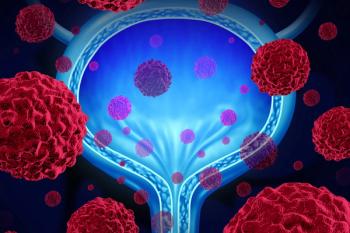
Datar Cancer Genetics announced that its TriNetra-Prostate blood test, which was developed to detect early-stage prostate cancer, received breakthrough device designation from the FDA.

Patients with prostate cancer commonly have significant depression, highlighting a need for screenings in those with poor social determinants of health, concomitant disability, and advanced disease.
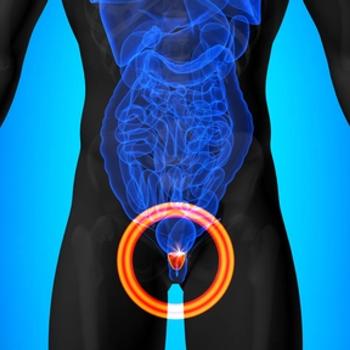
Patients with metastatic castration-resistant prostate cancer treated with apalutamide and prednisone experienced a better radiographic progression-free survival vs an active and established comparator regimen.

Alicia Morgans, MD, discusses genomic testing and use of PARP inhibitors for metastatic castration-resistant prostate cancer.

Matthew Allaway, DO, spoke with CancerNetwork® about a new transperineal biopsy approach to detect cancer in hard-to-reach areas of the prostate.

Experts in prostate cancer discuss recent advances in the treatment of patients with metastatic castration-naive and metastatic castration-resistant prostate cancer and strategies for optimizing therapy.
Despite presenting with high-risk disease, Black patients with prostate cancer who enrolled on radiation therapy clinical trials were reported to have better rates of biochemical recurrence, distant metastases, and prostate cancer–specific mortality than White patients.
A meta-analysis of 2 phase 3 randomized trials found that combination therapy including androgen deprivation therapy led to higher rates of metastasis-free survival for patients with high-risk non-metastatic prostate cancer.

Aaron Berger, MD, discussed updates in the treatment of nonmetastatic castration-resistant prostate cancer.
A. Oliver Sartor, MD, discussen treatment options for PARP inhibitor use in patients with prostate cancer.
The conversation with Jun Gong, MD, focused on the evolving relationship between oncologists who treat prostate cancer and genetic counselors.

The decision by the FDA to approve prostate cancer imaging product TLX591-CDx, a kit to aid in the preparation of gallium-68 gozetotide injections, should make 68Ga-based PSMA-PET more broadly accessible.
CancerNetwork® takes a deep dive into ongoing clinical research that holds promise in the prostate cancer space as the year 2021 comes to a close.

Aaron Berger, MD, shares unmet needs and challenges in managing patients with nmCRPC.
Dr Aaron Berger comments on quality of life data and the role of patient preference in nmCRPC.
A prostate cancer expert discusses comorbidities and dose alterations with next-generation androgen receptor inhibitors in nmCRPC.
Advertisement
Advertisement
Trending on CancerNetwork
1
Modifiable Risk Factors Suggest Potential for Improving Cancer Prevention
2
2026 Tandem Meetings: What’s the Latest Research in Multiple Myeloma?
3
Dato-DXd Receives Priority Review in Unresectable/Metastatic TNBC
4
Barriers to CAR T-Cell Referral and Center Access in Multiple Myeloma
5