

Nancy U. Lin, MD
Advertisement
Articles by Nancy U. Lin, MD



Closing out their review of the HER2+ metastatic breast cancer treatment landscape, expert oncologists look forward to future evolutions in the paradigm.
Panelists center their discussion on the challenges inherent in managing leptomeningeal metastases in patients with HER2+ breast cancer.
Experts share brief insights on novel agents in development for HER2+ breast cancer and consider how they may impact the treatment landscape.
Centering discussion on trastuzumab deruxtecan use in HER2+ metastatic breast cancer, experts elucidate adverse event management and concurrent radiation therapy.
A brief review on how best to use MRI following CNS-directed radiation therapy in patients with HER2+ metastatic breast cancer.
Following review of the final patient scenario, panelists consider later-line treatment options in the setting of multiply relapsed HER2+ metastatic breast cancer.

Comprehensive review of novel combination treatment strategies being explored for patients with HER2+ breast cancer and brain metastases.
Panelists reflect on sequencing therapy for HER2+ metastatic breast cancer following disease progression on the tucatinib, trastuzumab and capecitabine regimen.
A panel of expert oncologists highlight the use of the tucatinib, trastuzumab and capecitabine regimen that was investigated in the HER2CLIMB trial to manage patients with HER2+ breast cancer and brain metastases.

Expert perspectives on the respective role of radiation therapy to manage brain metastases in the setting of HER2+ breast cancer.
Shared consideration on the factors that dictate selection of optimal therapy for patients with HER2+ breast cancer and brain metastases.
Switching to a patient case of brain metastases in HER2+ breast cancer, panelists highlight available therapeutic strategies in this setting.
A brief review on how best to identify, delay, or avoid brain metastases in patients diagnosed with metastatic HER2+ breast cancer.
Having outlined available treatment options for patients with HER2+ metastatic breast cancer, expert panelists share which factors help to select optimal therapy.
Comprehensive insight to the treatment armamentarium for HER2+ metastatic breast cancer throughout several lines of therapy.
Expert panelists open their discussion on HER2+ breast cancer by reviewing a patient case of metastatic disease with no CNS involvement.
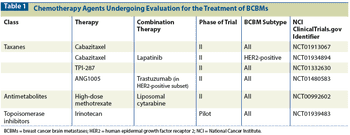
In this overview, we will review recent developments in the management of breast cancer brain metastases and current prospective trials of systemic therapies specifically for patients with breast cancer brain metastases, with a focus on novel pathway-specific therapies.
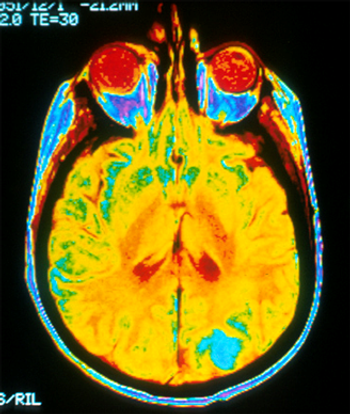
The diagnosis of central nervous system (CNS) recurrence is a much dreaded outcome among breast cancer patients, and its incidence varies with disease stage and cancer subtype.
Advertisement
Latest Updated Articles
 Patient Case 3: HER2+ Metastatic Breast Cancer With CNS Disease
January 13th 2023
- Optimizing Care of Patients on T-DXd for HER2+ mBC With CNS Disease
January 20th 2023


Advertisement
Advertisement
Trending on CancerNetwork
1
Key Takeaways for Multidisciplinary Lung Cancer Care From WCLC 2026
2
CELMoDs After T-Cell–Engaging Therapy in Multiple Myeloma
3
Pembrolizumab/Enfortumab Vedotin Earns Positive CHMP Opinion in MIBC
4
FDA Approves Imlunestrant Combo in ESR1-Mutated Breast Cancer
5