
María Teresa Bourlon, MD, MSc, MS, discussed key kidney abstracts from the 2026 ASCO Meeting, including the LenCabo trial, the RAMPART trial, and the RADICAL trial.
María Teresa Bourlon, MD, MSc, MS, discussed key kidney abstracts from the 2026 ASCO Meeting, including the LenCabo trial, the RAMPART trial, and the RADICAL trial.
María Teresa Bourlon, MD, MSc, FASCO, discussed data showing body composition and muscle loss with lenvatinib/everolimus vs cabozantinib in metastatic ccRCC.
Key genitourinary oncology updates emerged from ASCO 2026, focusing on balancing efficacy and AEs.
Experts highlight how updates on the EV-302 and RAMPART studies may influence care across different bladder and kidney cancer populations.
Eric Miller, MD, discussed the evolving role of immunotherapy, antibody-drug conjugates, and sequential therapeutic strategies for bladder preservation.
New ASCO 2026 data reinforced the importance of multidisciplinary coordination and patient-centered decision-making when considering cystectomy omission.
Experts discuss how updated findings from the TALAPRO-3 and PROTEUS trials may affect the prostate cancer paradigm.
Considering the toxicity burden of dual checkpoint inhibition for adjuvant RCC, Saum Ghodoussipour, MD, posited potential alternatives in the space.
Saum Ghodoussipour, MD, provided an in-depth analysis of the RAMPART readout, exploring the DFS benefit of a durvalumab/tremelimumab combination in RCC.
Proactive management of EGFR-mediated toxicities can help to prevent the escalation of grade 1/2 skin toxicities to higher-grade events.
NCCN-indicated germline and somatic testing performance was inconsistent, although rates have been increasing due to concurrent quality improvement efforts.
Saum Ghodoussipour, MD, PhD, dissected the contrasting outcomes between adjuvant durvalumab plus tremelimumab compared with durvalumab alone in RCC.
Among patients treated in the PSMAtrack analysis, all had residual PSMA-avid disease following 6 months of systemic therapy for metastatic HSPC.
Fred Saad, MD, FRCS, CQ, FCAHS, discussed the clinical benefits of introducing lutetium Lu 177-PSMA-617 earlier to delay progression to mCRPC.
Leveraging 6-month PSA and PSMA-PET metrics may guide therapy escalation or de-escalation in metastatic hormone-sensitive prostate cancer.
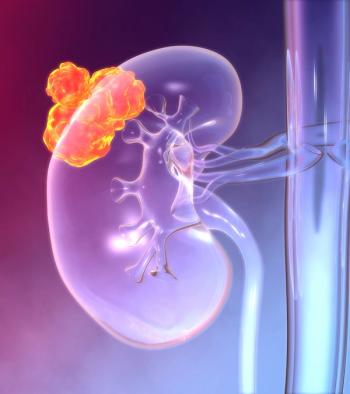
Modulation of angiogenic and immune-related pathways in ccRCC might provide rationale for checkpoint- or VEGFR-TKI–based combinations with HC-7366.
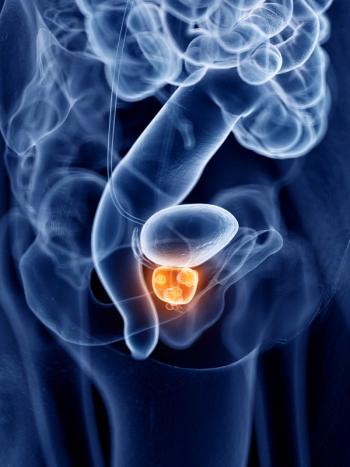
Patients with positive images may benefit from additional therapy not directed at the androgen receptor; however, prospective validation is required.
Findings from a study exploring how AI-driven NCCN guideline interpretation can optimize genetic testing and reduce clinician burden in prostate cancer.
A second expansion phase assessing HC-7366/belzutifan in locally advanced/metastatic renal cell carcinoma is ongoing.
Patients were 9 times more likely to have little to no cancer remaining after their procedure with the apalutamide doublet compared with placebo plus ADT.
Among 78 responders to ADT plus ARPI treatment who underwent a treatment suspension, 57.7% remained treatment free for 18 months.
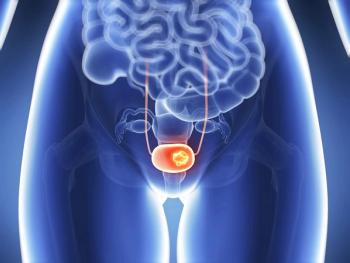
The safety of the IMvigor011 regimen among patients with MIBC was consistent with the established profile of atezolizumab monotherapy.
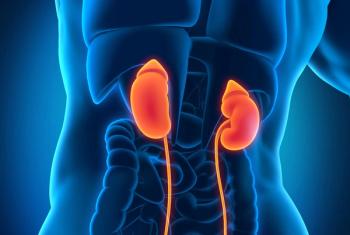
RAMPART finds durvalumab after kidney cancer surgery cuts recurrence risk but misses DFS significance; combo therapy shines in highest-risk patients.
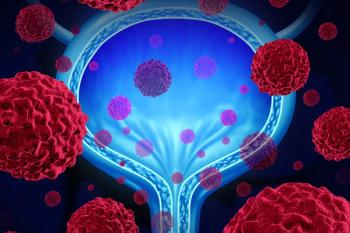
Updated EV-302 data show EV plus pembrolizumab maintained superior OS and doubled CR rates over chemotherapy in first-line urothelial carcinoma.

Enfortumab vedotin plus pembrolizumab demonstrated a median OS of 33.6 months in patients with first-line metastatic urothelial carcinoma.

Saum Ghodoussipour, MD, suggested that advances in liquid biopsy tracking, next-generation ADCs, and organ-sparing approaches may be featured at ASCO 2026.

By harnessing investigator-generated data, companion diagnostics, and biomarker-directed treatment selection, clinicians can optimize care for HSPC.
Considering which non–muscle-invasive bladder cancer cases may be cured by surgery alone may help mitigate overtreatment in this patient group.
Event-free survival benefit was observed among BCG-naive patients with carcinoma in situ undergoing treatment with sasanlimab plus BCG.
There appeared to be no extra benefit with the addition of nivolumab to tivozanib among patients included in the phase 3 TiNivo-2 trial.