Robot-assisted radical hysterectomy reduced mostly low-grade intraoperative complications vs open surgery in early-stage cervical cancer.
Researchers presented new strategies to protect patients from life-threatening infections caused by dose-intensive anticancer therapy at a symposium held in conjunction with the 39th Annual Meeting of the American Society of Hematology (ASH).
Researchers presented new strategies to protect patients from life-threatening infections caused by dose-intensive anticancer therapy at a symposium held in conjunction with the 39th Annual Meeting of the American Society of Hematology (ASH).
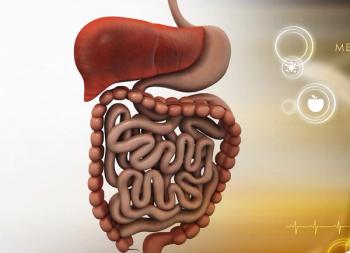
The strategies focus on preserving the normal barrier function of the cells that line the gastrointestinal tract in patients undergoing high-dose chemotherapy and radiation therapy regimens.
The symposium was sponsored by the Emory University School of Medicine and was supported, in part, through an unrestricted grant from Cell Therapeutics, Inc.
According to Rein Saral, MD, professor of medicine at Emory University School of Medicine and chair of the session, infection is a major source of death and morbidity in cancer patients. Serious and fatal infections can occur as a result of two major side effects:
Dr. Saral said that in some patients, particularly those whose immune system has been compromised by intensive chemotherapy, infection can often be deadly. In others, chemotherapy or radiation treatment is stopped prematurely or inadequate treatment doses are given because physicians fear the risk of infection.
Barrier dysfunction from chemotherapy and radiation occurs quickly but is not immediately detectable, Dr. Saral said. Infections and mucositis occur after the barrier has failed, making treatment of infection difficult because the organisms have already entered the bloodstream, he said.
Mitchell P. Fink, MD, surgeon-in-chief at the Beth Israel Deaconess Medical Center and professor of surgery at Harvard Medical School, identified chemotherapy and radiation as major causes of injury to the gastrointestinal barrier and suggested that infection was a biological consequence of barrier injury.
Current Treatments Address Only Part of the Problem
Eric J. Bow, MD, MSc, associate professor of medicine and medical microbiology and head of the Section of Hematology and Oncology at the University of Manitoba, Canada, suggested that current strategies to treat infection in patients undergoing anticancer therapy, including growth factors to treat neutropenia, only address part of the problem.
Oncologists and hematologists typically regard fever as a marker of infection, Dr. Bow said. However, we are learning that many of the unexplained fevers in neutropenic patients may not be due to infection but rather to inflammatory products which have translocated from the gastrointestinal tract into the bloodstream.
Dr. Bow said a recent review of 110 patients undergoing chemotherapy for acute myeloid leukemia (AML) revealed that progressive damage to the epithelial surface of the gastrointestinal tract correlated with a risk of invasive infection, independent of neutropenia. The study, which was published in the June 1997 Journal of Clinical Oncology, suggested that:
Dr. Bow suggested that therapies that attack both barrier dysfunction and neutropenia may better address the problem of therapy-induced infection.
Barrier Dysfunction and Lipids
According to Dr. Bow, one pharmacologic agent under development, lisofylline, may help preserve normal barrier function by regulating the production of inflammatory mediators, such as hydroperoxides. When exposed to chemotherapy and radiation, these mediators are biochemically altered to form lipid peroxides, a reactive lipid species believed to disrupt cell membranes and ultimately cause damage or death of cells lining the gastrointestinal tract. The oxidized lipids also may have an indirect effect on stress-activated pathways, which may result in inflammation of tissue and delayed healing.
Dr. Bow presented research that described a correlation between the breakdown of the gastrointestinal barrier and the presence of elevated levels of a subset of biologically reactive oxidized lipids, hydroperoxyoctadecadienoic acids (HPODEs), in patients undergoing chemotherapy.
Earlier studies indicated that lisofylline decreases elevated HPODE levels and prevents the rise in levels of oxidized lipids that occurs following exposure to radiation and/or chemotherapy, and that these changes correlate with a reduction in toxicity and mortality following allogeneic bone marrow transplantation.
New Research on Mucositis
Stephen T. Sonis, DMD, DMSc, professor and chairman of the department of oral medicine and diagnostic science at Harvard Medical School and a leading expert on mucositis, described early studies in animals suggesting that lisofylline may limit the severity of ulcerative mucositis induced by chemotherapy and decrease the incidence of mucositis induced by radiation.
According to Dr. Sonis, a preliminary review of data from a recently completed study indicated that high-dose lisofylline favorably affects the severity of ulcerative mucositis induced by cytarabine. In another study, administration of standard or low doses of lisofylline immediately prior to and during radiation was dramatically protective, with treated patients never developing frank ulcerations. Consistent with these findings, lisofylline-treated animals thrived throughout the course of the experiment, gaining weight in comparison to a control group.
Dr. Sonis, who also serves as chief of oral medicine, oral maxillofacial surgery and dentistry at Brigham & Womens Hospital, Boston, said that mucositis occurs to some extent in about 40% of patients receiving chemotherapy and in virtually all patients who undergo radiation therapy for cancers of the head and neck, and yet researchers are just beginning to understand its complex biological basis.
When patients are exposed to chemotherapy or radiation, initially there is an outpouring of cytokines. This, in turn, prompts aggressive inflammation and tissue injury, Dr. Sonis said. At the same time, the cells in the oral cavity break down, causing the tissue to thin, allowing ulcers to form in the mouth.
The mouth ultimately loses its ability to function as a barrier to bacteria and fungi, thus putting the patient at risk of systemic infection, Dr. Sonis explained. In addition, ulcers are colonized by bacteria, resulting in localized secondary infections, which can prompt additional inflammation. Patients treated with chemotherapy, which suppresses the immune system, also are at risk for secondary local and distant infection and septicemia.
New Approaches Needed
Dr. Saral suggested that novel approaches to preventing barrier disruption and subsequent infection could play a key role in more effectively protecting cancer patients from serious and fatal infections.
Despite existing strategies to treat patients who develop infection as a result of anticancer therapy, substantial morbidity and mortality from infectious complications still occur in this patient population. Therefore, more effective measures are needed to prevent potentially infectious microorganisms in the gastrointestinal tract from traveling across the mucosal barrier and entering the bloodstream, Dr. Saral said.
almost 29 years ago
Small-Cell Lung Cancer: Is There a Standard Therapy?almost 29 years ago
Recent Advances With Chemotherapy for NSCLC: The ECOG Experiencealmost 29 years ago
Overcoming Drug Resistance in Lung Canceralmost 29 years ago
Paclitaxel/Carboplatin in the Treatment of Non-Small-Cell Lung Canceralmost 29 years ago
The Role of Carboplatin in the Treatment of Small-Cell Lung Canceralmost 29 years ago
Future Directions in Non-Small-Cell Lung Cancer: A Continuing Perspective