

Findings from a cohort study demonstrated that coexposure to a COVID-19 mRNA vaccine within 90 days of anti–PD-(L)1 treatment improved OS in patients with cancer.
Findings from a cohort study demonstrated that coexposure to a COVID-19 mRNA vaccine within 90 days of anti–PD-(L)1 treatment improved OS in patients with cancer.
Approval of the FoundationOne CDx may help identify patients with NSCLC harboring MET exon 14 skipping alterations who are candidates for tepotinib.
Identifying patients early is key for getting them into the CAR T-cell therapy pipeline, according to Saad Z. Usmani, MD, MBA, FACP, FASCO.


Mitchell E. Horwitz, MD, discussed how omidubicel and other advances in allogeneic transplantation have affected different hematologic oncology populations.

Nathan Goodyear, MD, discussed how structured exercise programs can reprogram the tumor immune microenvironment and enhance therapeutic efficacy.
Data from a phase 2 trial show that quizartinib plus omacetaxine mepesuccinate may better position patients to proceed to consolidative transplantation.

The FDA has approved the updated Guardant360 Liquid CDx, a blood-based cancer test combining genomic and epigenomic analysis, across multiple tumors.

Event-free survival, overall survival, and pathologic complete rate data from the phase 3 KEYNOTE-905 trial support the agency’s decision.
Sac-TMT demonstrated a significant improvement in PFS vs chemotherapy as first-line treatment for unresectable locally recurrent or metastatic TNBC.

The approval, based on the phase 3 TROPION-Breast02 trial, marks a significant shift in the first-line treatment of patients with mTNBC.

See which trials in lung, gastrointestinal, and genitourinary cancers to be on the lookout for at 2026 ASCO.

A telephone-based weight loss intervention from the phase 3 BWEL trial improved physical function, fatigue, and social role outcomes vs health education alone in patients with stage II to III breast cancer and BMI of at least 27.

The ArteraAI Prostate Test is now available to predict mortality risk and guide treatment for metastatic hormone-sensitive prostate cancer.
Jesus D. Anampa, MD, MS, discussed SEER database trends in chemotherapy use for older women with TBNC and explained the rationale for using breast cancer–free survival vs OS.
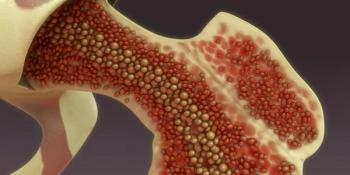
The FDA has granted rare pediatric disease designation and orphan drug designation to FL118 for the treatment of osteosarcoma.
Philip Blumenfeld, MD, reviewed efficacy signals from a pooled analysis of Alpha DaRT in pancreatic cancer.
Philip Blumenfeld, MD, discussed the biological rationale and distinct mechanism of action of EUS-guided radium 224 Alpha DaRT in pancreatic adenocarcinoma.
The extended-release tablet formulation may help improve patient adherence to treatment, possibly representing a more convenient, patient-friendly dosing schedule, according to Naveen Pemmaraju, MD.