

This data suggests clinicians should not rely on self-reports from their patients about either their need or the proper interval for a repeat surveillance colonoscopy.
This data suggests clinicians should not rely on self-reports from their patients about either their need or the proper interval for a repeat surveillance colonoscopy.

Patients with hematologic disease and a symptomatic COVID-19 infection were found to have a significantly worse prognosis than patients who were nonhematologic with COVID-19.
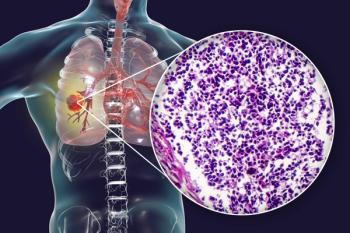
The study is evaluating sotorasib in 126 patients with KRAS G12C-mutant advanced non-small cell lung cancer who had failed a median of 2 prior lines of anti-cancer therapies.
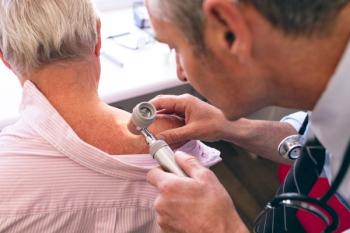
A study published in JAMA Dermatology determined that topical immunosuppressant medications used to treat adult patients with atopic dermatitis do not increase the risk of common forms of cancer despite warning labels on the packaging.

A study found that the historically higher lung cancer incidence rates for young Blacks compared to Whites in the United States disappeared for men and reversed for women.
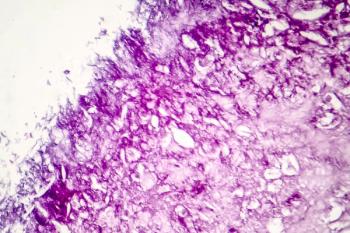
The study is evaluating the nivolumab-ipilimumab combination versus nivolumab alone in patients who have had a complete surgical removal of stage IIIb/c/d or stave IV melanoma.

The FDA granted breakthrough therapy designation to IMGN632 for the treatment of patients with relapsed or refractory blastic plasymacytoid dendritic cell neoplasm.

A combination of peritumoral radiomics features appeared to improve the predictive performance of intratumoral radiomics to estimate pathological complete response after neoadjuvant chemoradiation in patients with esophageal squamous cell carcinoma.

A pooled analysis of 3 randomized controlled trials found that pembrolizumab plus chemotherapy demonstrated response and survival improvements with a manageable safety in comparison with chemotherapy alone in PD-L1‒negative advanced non-small cell lung cancer.

This study found that the addition of immunotherapy to radiotherapy was associated with improved overall survival compared with radiotherapy alone in patients with brain metastases who received definitive surgery of the primary tumor site.
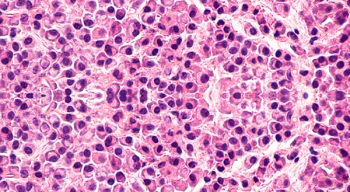
The study found that high levels of sustained factor VIII activity, which followed a normalization period after BIVV001 administration, might offer better protection against all types of bleeding and a longer interval between administration of the product in this patient population.

A study found that delaying radiation therapy while remaining on hormone therapy for patients with unfavorable intermediate-risk or high-risk localized prostate cancer to avoid potential exposure to COVID-19 did not negatively impact overall survival.

Mesoblast Limited announced that the FDA issued a complete response letter regarding its biologics license application for remestemcel-L to treat pediatric patients with SR-aGVHD after the ODAC voted 9:1 in favor of the available efficacy and data.

Researchers suggested that the current situation be used as an opportunity to re-evaluate standard practices for clinical trials in order to make them more accessible and less stressful for potential patients and thus allow for broader participation.

The expert from the Otto J. Ruesch Center for the Cure of Gastrointestinal Cancers discussed precision medicine with regard to cancer care, as well as the need to make such care more accessible for the global community.

A study found that radiation therapy to treat childhood abdominal and pelvic cancers potentially caused body composition abnormalities and worse cardiometabolic health for adult survivors compared to the general public.

The FDA granted fast track designation to the novel “switchable” CAR-T cell therapy known as CLBR001 + SWI019 for the treatment of B-cell malignancies.

The survey revealed that approximately two-thirds of Americans reported that their scheduled cancer screenings have been delayed or skipped due to the COVID-19 pandemic.
The findings from this global, open-label, randomized trial supported the FDA approval of atezolizumab for patients with non-small cell lung cancer with high PD-L1 expression, regardless of histologic type, in May.

The findings from this study are intended to inform the Curriculum for Oncologists on LGBTQ+ populations to Optimize Relevance and Skills (COLORS) Training Program.

According to researchers, these findings suggest “that as long as a person is not smoking at the time of chemotherapy and surgery, they might do better.”

CancerNetwork examines a review article in the September issue of the journal ONCOLOGY discussing precision medicine and molecular profiling for patients with metastatic colorectal cancer.

Among men with advanced prostate cancer, relugolix did not achieve statistical superiority for castration resistance-free survival compared to leuprolide acetate in men with metastatic disease through 48 weeks.

xCures recently announced that the FDA granted its IND immediate Expanded Access Program for the ERK inhibitor ulixertinib to treat patients with MAPK pathway aberrant cancer.

The ATR inhibitor BAY 1895344 appeared promising in patients with a range of advanced, heavily pre-treated cancers in a dose-escalation portion of a phase 1 clinical trial.
The FDA issued the final guidance in order to help improve the information available to patients and health care providers about the risks of breast implants.
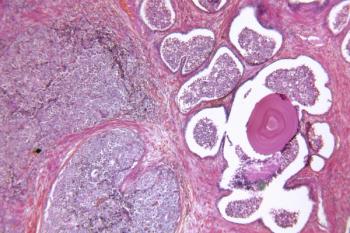
TLX591-CDx (illumet) is a radiopharmaceutical targeting prostate-specific membrane antigen intended for the imaging of prostate cancer using positron emission tomography.

These study findings suggested that topical minoxidil and procedural interventions may aid in the treatment of persistent radiation-induced alopecia among patients with primary central nervous system tumors or head and neck sarcomas.

This study found that among clinical trials in which patients with non-small cell lung cancer were treated with atezolizumab, multiorgan immune-related adverse events were reported in 5.4%.
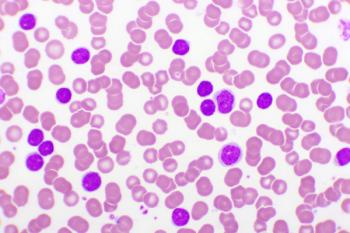
According to researchers, this “group represents more than 20% of children and young adults with ALL, and an increase in attention to adherence, supportive care, and logistics for patients living [more than 50] miles from their treatment center is warranted.”