

article
The FDA granted accelerated approval to pralsetinib to treat with advanced or metastatic RET-mutant medullary thyroid cancer or RET fusion-positive thyroid cancer.
article
The FDA granted accelerated approval to pralsetinib to treat with advanced or metastatic RET-mutant medullary thyroid cancer or RET fusion-positive thyroid cancer.

The agency approved the first PSMA-targeted PET imaging drug to treat men with prostate cancer.
article
The agent’s new drug application will be reviewed under the FDA’s Real Time Oncology Review pilot program and under Project Orbis.

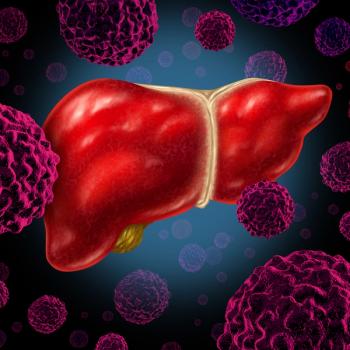
A recent study found that rural non-Hispanic whites and blacks have experienced increased HCC case incidence rates, while urban areas have seen the rate decline since 2009.

According to researchers, these immuno-oncologic differences may aid in developing a genomically adaptive approach to treating prostate cancer in this patient population.

A study published in JAMA Surgery found that low quantity and low quality of muscle can predict poor outcomes after colon cancer surgery.

The FDA granted accelerated approval to naxitamab-gqgk (Danyelza) in combination with GM-CSF for the treatment of pediatric patients 1 year of age and older and adult patients with relapsed or refractory high-risk neuroblastoma in the bone or bone marrow who have demonstrated a partial response, minor response, or stable disease to prior therapy.
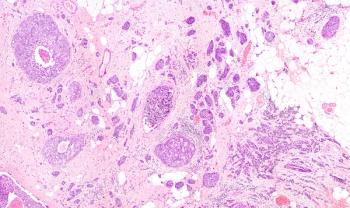
This study found that abbreviated breast magnetic resonance imaging as a supplemental screening test in women with dense breasts shows an increase in cancer detection over digital breast tomosynthesis screening.

Low EC-pY397-FAK expression levels were found to be associated with chemotherapy sensitivity and improved 5-year relapse-free survival after systemic therapy in patients with neoadjuvant-treated locally advanced breast cancer.
This trial is the first randomized trial of men with recurring prostate cancer to show that treatment based on advanced molecular imaging can improve disease-free survival rates.

Women with onset of breast cancer over age 65 typically do not qualify for genetic testing, however this study demonstrated that frequency of pathogenic variants and risk of breast cancer is not negligible in this patient population.

These results emphasize the importance of defining patterns of variance in early-onset CRC survival in order to understand the impact of community health behaviors on early-onset CRC outcomes.

A phase 2 trial found that the combination of pembrolizumab with bevacizumab and oral cyclophosphamide was well tolerated and demonstrated clinical benefit and durable treatment responses in patients with recurrent ovarian cancer.
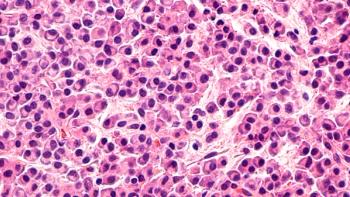
The phase 3 BOSTON study suggested that a once-per-week combination regimen of selinexor (Xpovio), bortezomib (Velcade), and dexamethasone (Ozurdex) is an effective treatment option for patients with multiple myeloma who have received 1 to 3 previous lines of therapy.

Given that smoking is one of the major risk factors for recurrence of any cancer, Tsao explained that it's crucial that providers focus on smoking cessation in patients with cancer.

This study found that state-level lung cancer screening rates were not aligned with disease burden, with the exception of Kentucky, which has supported comprehensive efforts to implement lung cancer screening.

According to the researchers, the high-quality evidence observed thus far supports the endorsement of this scoring system as a new staging system for prostate cancer.

These results suggested that adolescent and young adult patients treated for acute myeloid leukemia have a high risk of developing long-term health complications.

A study presented at ASTRO suggested that response-based consolidation involved-field radiation therapy appears to be a safe and effective standard of care for a cohort of pediatric patients with high-risk classical Hodgkin lymphoma.

Though researchers found that Black patients with early-stage non-small cell lung cancer are now more likely to receive the most effective treatment compared to a decade ago, the disparity for this patient population persists.

“This might raise the potential of being able to detect disease recurrence much earlier than current clinical practice,” said Thomas Weiland, MD.

Given that diagnosing lung cancer in its early stages can lead to successfully eliminating lung cancer with surgery alone, the importance of closing this disparity gap is critical.

Adagrasib demonstrated an acceptable safety profile and promising clinical activity in pretreated patients with non-small cell lung cancer, colorectal cancer, and other solid tumors with a KRAS G12C mutation.

The latest episode of the journal ONCOLOGY’s podcast features an article published in the November issue discussing fertility preservation and decision-making for young adults with cancer.

Data from a Japanese cohort of patients with primary sclerosing cholangitis suggested ursodeoxycholic acid (UDCA) was significantly associated with reduced mortality or need for liver transplantation and was also likely to be associated with a reduction of biliary tract cancer.

An interim analysis of the trial revealed that among patients with previously untreated advanced ALK-positive non-small cell lung cancer, those who received lorlatinib (Lorbrena) had significantly longer PFS, a higher overall and intracranial response, and better quality of life.

This study demonstrated that clinicians can influence a patient’s recall of medical information provided by using empathy.

Medicaid expansion was found to be associated with improved mortality among patients with newly diagnosed breast, colorectal, and lung cancer.
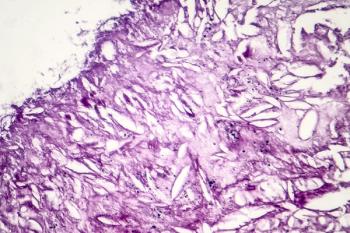
The clinical trial of tebentafusp (IMCgp100) versus investigator’s choice in metastatic uveal melanoma met its pre-defined boundaries for statistical significance of the primary end point of overall survival in its first pre-planned interim analysis.
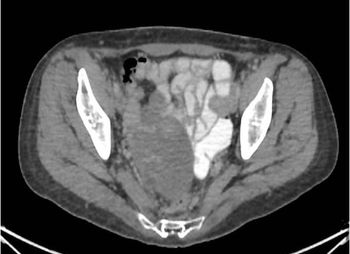
The risk of developing testicular cancer may increase with early and repeated exposure to diagnostic imaging, according to a recent study.