
|Videos|April 7, 2023
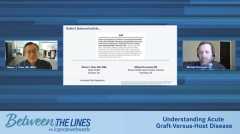
REACH 2 Post Hoc Analysis Review: and The Impact of Cytopenias on Patient Outcomes
Author(s)Nelson J. Chao, MD, MBA, Michael Grunwald, MD
Two subject matter experts discuss a post hoc analysis of the REACH2 trial, focusing on the impact of cytopenias on treatment outcomes in patients with steroid-refractory acute Graft-Versus-Host Disease.
Advertisement
Episodes in this series



Advertisement
Related to this article

Jan Franko, MD, PhD, FACS, discussed how robotics are expanding GI cancer surgery and how emerging dyes may help surgeons distinguish cancer from normal tissue.
More frequent blood draws may be necessary to account for the risk of liver toxicity with neladalkib, said Alice Shaw, MD, PhD.

Jan Franko, MD, PhD, FACS, discussed how health systems can weigh surgical volume and maintained competency against keeping complex cancer operations close to home.
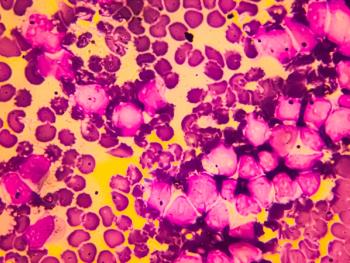
The phase 2 REMNANT study reported a 33% MRD-negative complete response rate in a broadly eligible, transplant-eligible NDMM population.

Neeta Somaiah, MD, outlines which adverse effects stem from bezuclastinib and how clinicians can use dose levels and supportive care.

A national analysis found counties without a local gastrointestinal or hepatobiliary cancer surgeon had higher colorectal, pancreatic, and hepatobiliary cancer mortality.

Jan Franko, MD, PhD, FACS, explained why time is the biggest cost of traveling for cancer care, and why days spent at home should be measured as a marker of quality.

Alice Shaw, MD, PhD, discusses the timing of neladalkib hepatotoxicity, how often to check liver tests, and how she manages transaminase elevations.
Advertisement
Advertisement
Trending on CancerNetwork
1
How Robotic Surgery Is Reshaping GI Cancer Operations and Surgeon Careers
2
Practical Takeaways for Starting Neladalkib in ALK+ NSCLC
3
Palbociclib in Low- and Middle-Income Countries: A Systematic Review and Meta-Analysis of Generic Bioequivalence and Real-World Clinical Outcomes
4
EC Approves Daraxonrasib for Previously Treated Metastatic Pancreatic Cancer
5