

Opinion|Videos|July 27, 2023
The Future of the NDMM: Comparing Emergent Regimens and Understanding Unmet Needs
Author(s)Luciano Costa, MD, PhD, Timothy Schmidt, MD
Dr. Costa and Dr. Schmidt consider promising emergent treatment options and current unmet needs in the NDMM treatment landscape.
Advertisement
Episodes in this series

Advertisement
Related to this article
The FDA approved giredestrant plus everolimus for ER-positive, HER2-negative, ESR1-mutated breast cancer based on data from the phase 3 evERA trial.

Martin Gleave, CM, MD, FRCSC, FACS, discussed perioperative therapy selection, the GUNS trial, and postoperative radiotherapy in prostate cancer.

In OptimUM-01, darovasertib plus crizotinib produced a 34.1% ORR and 21.1-month median OS in untreated metastatic uveal melanoma, regardless of HLA status.
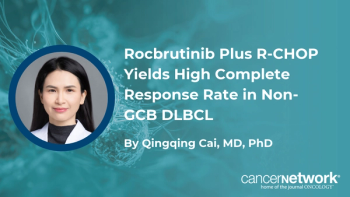
Qingqing Cai, MD, PhD, discussed early efficacy data for rocbrutinib plus R-CHOP in untreated non-GCB DLBCL and how they compare with frontMIND at ESMO 2026.
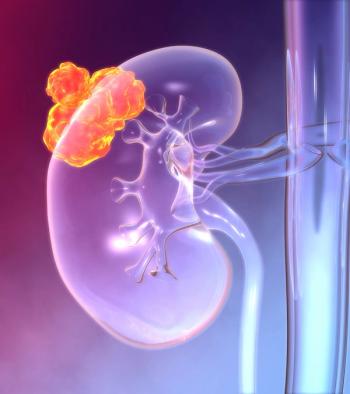
The CHMP recommended belzutifan plus lenvatinib for advanced clear cell RCC after anti–PD-(L)1 therapy, based on phase 3 LITESPARK-011 data.
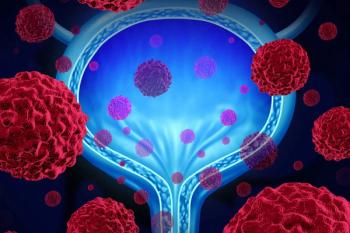
Adjuvant cretostimogene reduced recurrence risk by 68% vs surveillance in intermediate-risk and high-grade Ta NMIBC in the phase 3 PIVOT-006 trial.
The FDA has approved pertuzumab-qcay, a biosimilar of the reference product Perjeta, in HER2-positive breast cancer, based on a data package that showed no meaningful differences in quality, safety, efficacy, or immunogenicity.

Ralph V. Boccia, MD, FACP, details the home monitoring tools, prophylaxis, and grade-based approach his practice uses to manage CRS.
Advertisement
Advertisement
Trending on CancerNetwork
1
FDA Approves Pertuzumab Biosimilar in HER2+ Breast Cancer
2
FDA Approves Giredestrant/Everolimus for ER+, HER2–, ESR1-Mutated Breast Cancer
3
Who Benefits Most From Perioperative Therapy in High-Risk Prostate Cancer?
4
Cretostimogene Cuts Recurrence Risk in Intermediate-Risk, High-Grade Ta NMIBC
5